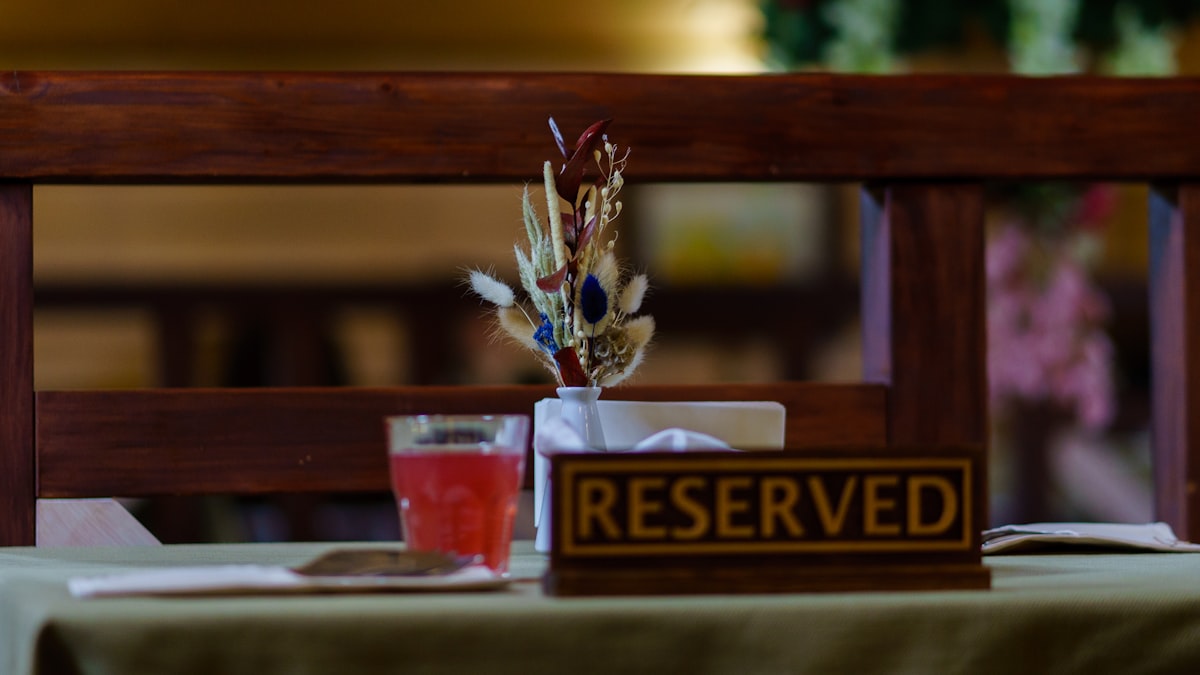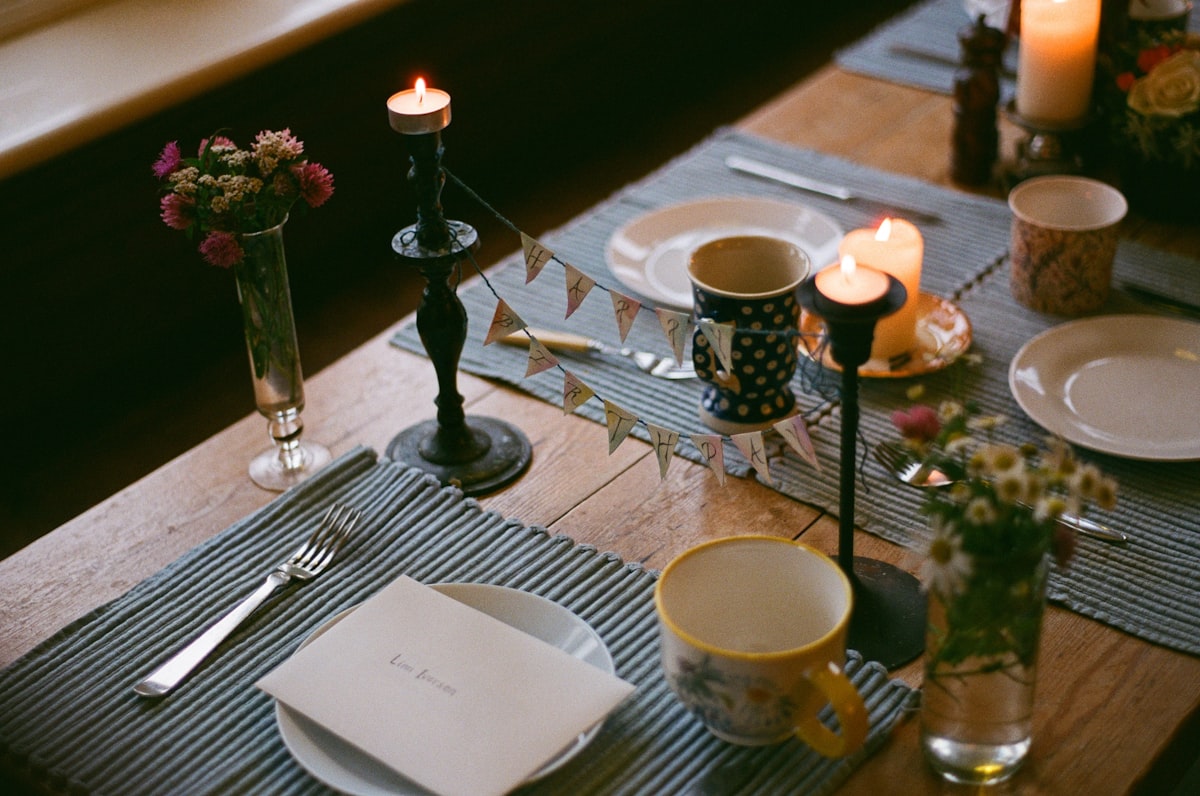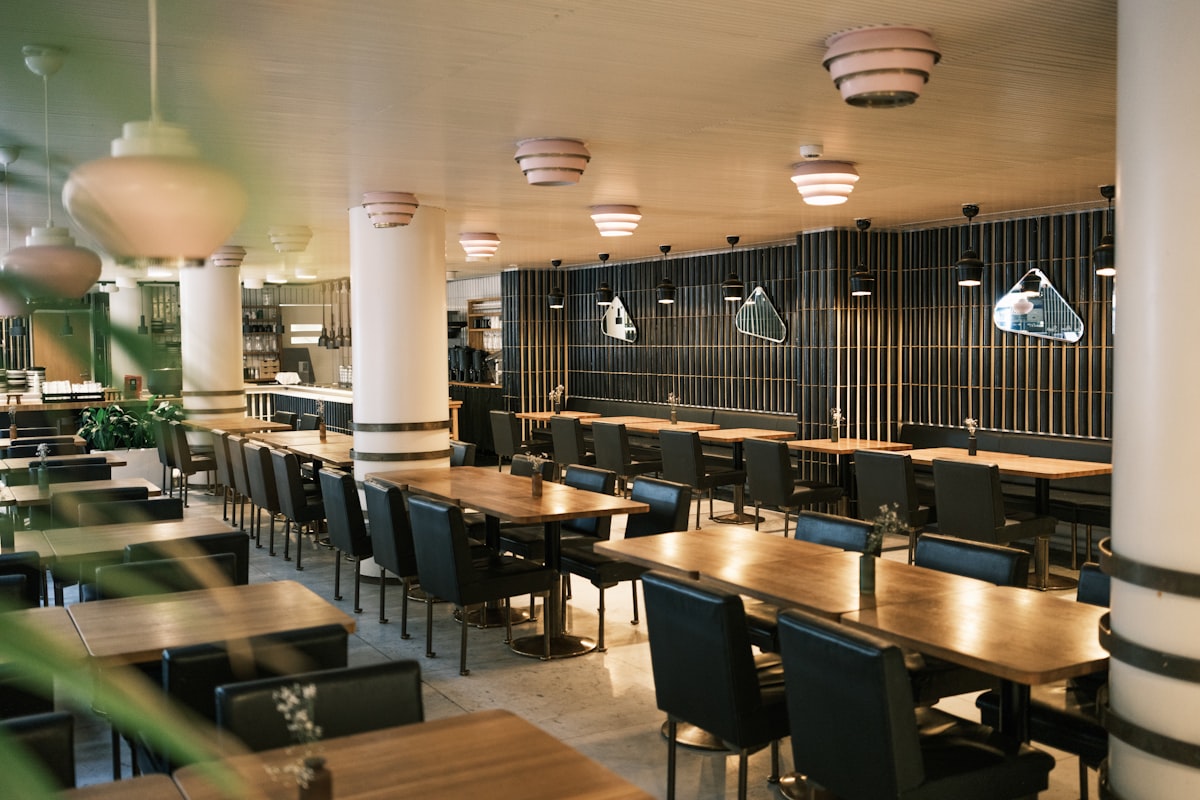
There is a new place near me in Neukolln, my corner of Berlin, that I could describe to you without going in. Pale wood, a long communal table, chairs somewhere between a schoolroom and a Danish design fair. Handmade ceramic plates with a thumbprint glaze. A short menu of small plates, most of them with anchovies or something cured. A natural wine list heavy on orange and cloudy. A sans-serif logo on the window, one word, lowercase. Soft, tasteful music you cannot quite name. I have been in this room in Copenhagen, in Lisbon, in London. The food was good in all of them. That is the part that unsettles me.
You know the room I mean. Ten years ago the writer Kyle Chayka put a name to it. In a 2016 essay for The Verge called "Welcome to AirSpace", he described how, thanks to Airbnb, Instagram and a mobile, moneyed crowd, independent cafes everywhere had drifted to the same look. His line has aged well: "the coffee roaster Four Barrel in San Francisco looks like the Australian Toby's Estate in Brooklyn looks like The Coffee Collective in Copenhagen looks like Bear Pond Espresso in Tokyo." His point was that nobody made them do it. As he wrote, these are not chains springing from a corporate cookie cutter; they had "all independently decided to adopt the same faux-artisanal aesthetic." His 2024 book "Filterworld" widens the same argument to music and everything else the feed touches.
The restaurant version has a name too. The One Thing newsletter christened it the NWBSSP, the natural wine bar serving small plates, and the shorthand stuck: olives, crudo, sourdough, a little branded merch by the till. That olives-and-crudo image comes from the writer Chris Black, who joked on the How Long Gone podcast, as quoted by the same newsletter, that no one is safe from a wine bar with olives, crudo, and a sourdough popping up in your neighborhood and ruining your life. Even the chefs who built this world feel the fatigue. According to the One Thing newsletter's reading of a New York magazine profile, Matty Matheson is reported to have grumbled that the scene is now so homogenized that every restaurant looks the same, tastes the same, and comes with the same anchovies. And he is, by his own restaurants and his own merch table, describing a world he helped make.
So who standardized it? Partly the plate, partly the room, partly the phone. The plate comes from New Nordic cooking, the Noma lineage, which taught a generation to serve ingredients looking raw and foraged on rough stoneware. The room comes from a small circle of mostly Nordic studios and design brands. Space Copenhagen, Norm Architects, OEO, and the furniture house Frama keep turning out the pale, planted, natural-material dining room, and here is the quiet trick: Frama also sells the actual chairs and shelves, so the look and the objects that make it ship together. When one studio designs the influential room and sells the parts, copying gets very easy.
Then the phone finishes the job. Instagram rewards clean lines, symmetry and muted color, so the photogenic room becomes the design brief. As the designer Alex Murrell argued in his 2023 essay "The Age of Average", this convergence is everywhere, not just in food: interiors, cars, and above all logos, where so many brands adopted the same sans-serif that Thierry Brunfaut and Tom Greenwood, writing in Fast Company back in 2018, named the result "blanding." The new restaurant sign is just that font, over a door.
Here is where I have to be honest, because my beat has taught me to distrust my own nostalgia. Cities have always run on a portable template. The Italian espresso bar, the Parisian bistro this whole thing is named after, the tapas bar, the British gastropub, the Irish pub franchised to every airport on earth. There was never a golden age of infinite variety; there was a previous template we stopped noticing because it won. Some of the "everything is the same now" feeling is just grief for a diversity that was always narrower than memory claims.
And the template is often genuinely good. That is the honest trap. Sameness is not the same thing as badness, and a well-made small plate with a glass of something cloudy is a fine way to spend an evening.
What I would watch for is the turn, because it is starting. Warmer rooms, color coming back, serif type on the menu again, kitchens leaning on local material precisely because a rooted room is harder to copy. A few places are even reviving the set menu, the thing small plates were a rebellion against. The template will not die; it will just be replaced by the next one, and in ten years we will feel nostalgic for the anchovies. Look at the seams, as I keep telling people about clothes. The good version of any room is the one that could only be where it is.