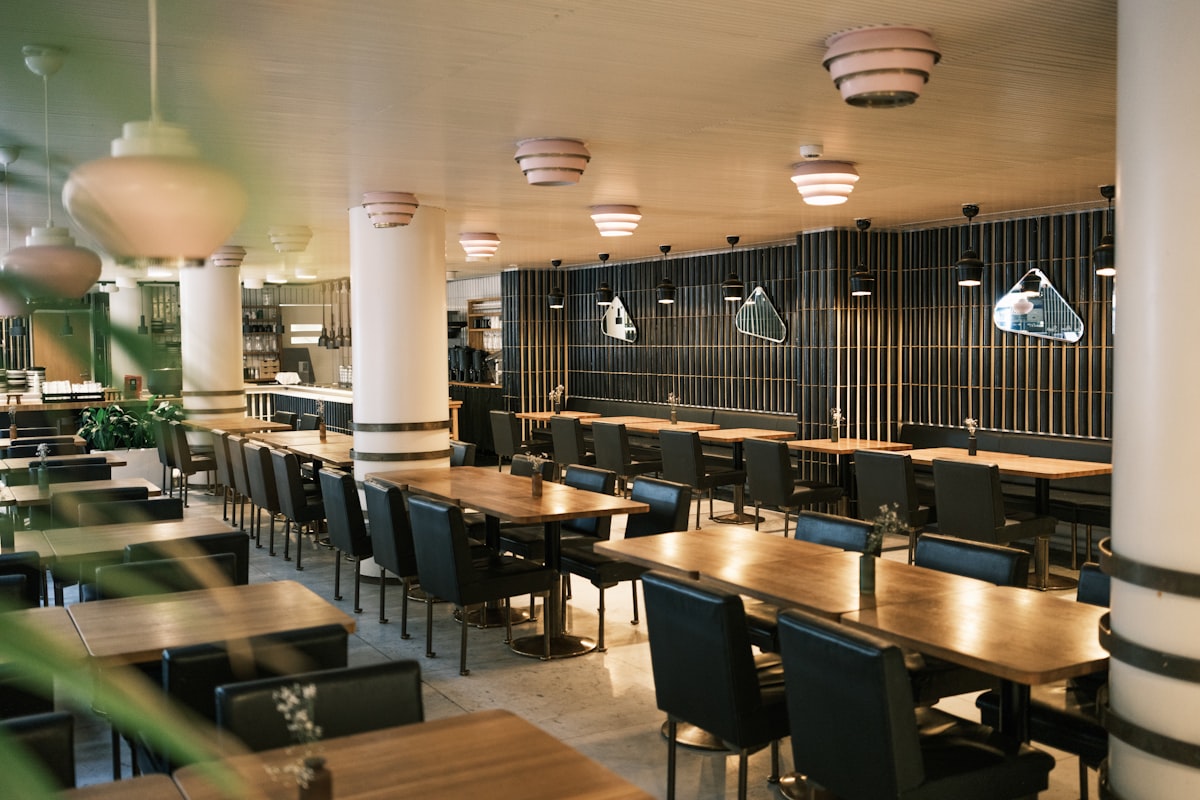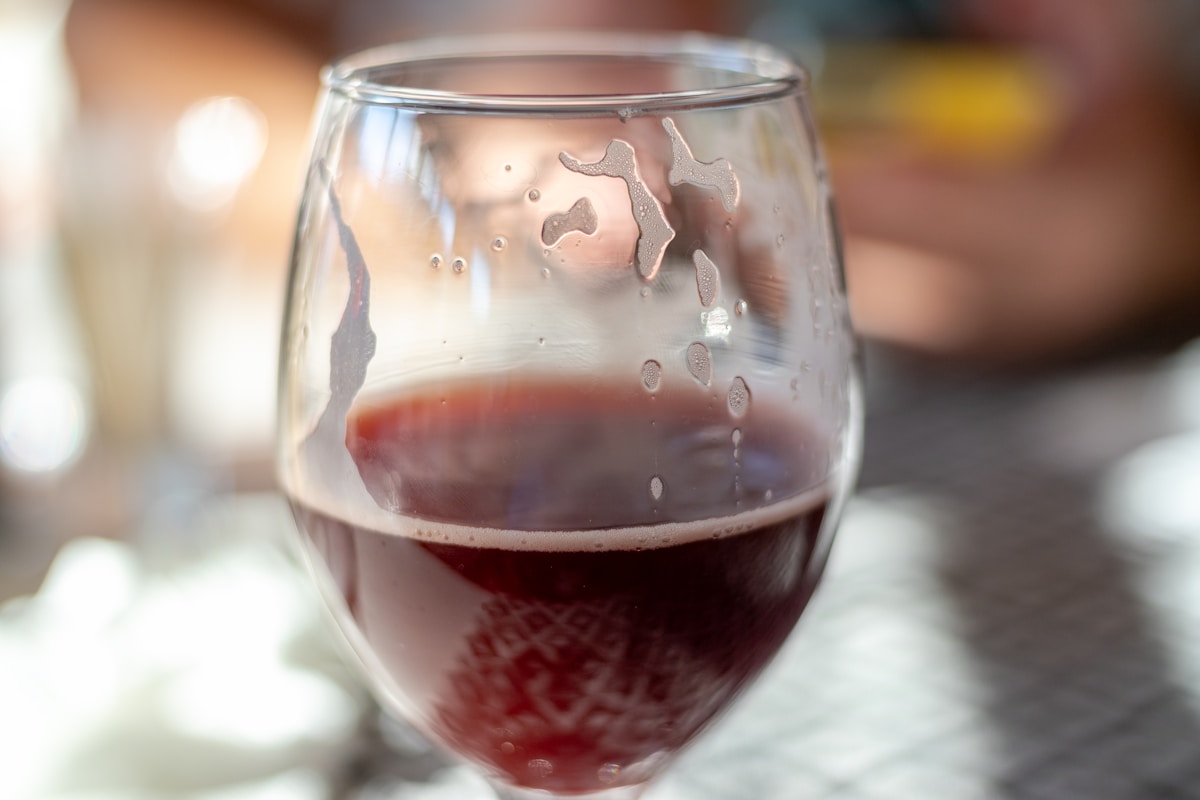
Global wine consumption fell to its lowest level since 1961 last year, down another 3.3 percent, and in the United States, the largest market on earth, it dropped 5.8 percent in a single year, the International Organisation of Vine and Wine reported. That is the headline number, and it is the wrong place to look. Walk into a small restaurant in the fashionable, lower-rent end of a big city, the kind with 40 covers and a handwritten list, and read the wines by the glass. In more and more of these rooms the by-the-glass list has gone cloudy and unfiltered, poured from growers with a few hectares of vines and no additives. The market is shrinking, and in rooms like this the low-intervention bottle has taken over anyway.
Natural wine, meaning wine made with as little added as possible, has no legal definition, which makes it hard to count. The closest thing to a census is Raisin, the app younger drinkers use to find it, and it is not a neutral witness: its numbers grow partly because more bars sign up to be listed. Read it with that caveat and it still tells a clean story. Places listing natural wine went from about 5,000 in 2021 to over 8,000 by the end of 2024. More telling is the shape of it. In Paris, the number of natural wine bars on the app fell, from 157 to 84, and the wine shops fell too, while the restaurants rose, from 282 to 393. The wine did not get more popular so much as it moved indoors, off the specialist counter and onto the dinner table. Asked what a natural wine bar even means anymore, the writer Alice Feiring told PUNCH it now means "you have a lot of choices by the glass, and after that, take it as you will." In the 11th arrondissement, the once working-class district at the movement's center, Raisin flatly calls a restaurant without natural wine "nearly unthinkable."
That is a distribution story as much as a taste one, and the supply chain behind it barely existed 15 years ago. Zev Rovine started his Brooklyn import business in 2009 with three producers, doubling his sales in each of his first two years; by 2018 he carried 90, sold in 30 states, SevenFifty Daily reported. Jenny Lefcourt has imported low-intervention wine since 2000 and now brings in more than 60 growers. The trade calls this a golden era of imports, small portfolios elbowing aside the giant distributors. It is less romantic than it sounds: as the importer Andre Tamers told PUNCH, people "think starting a distribution company is about going to Europe and having lunch, but it's about having a truck."
Who drinks it is where the generational line shows. Millennials are now the largest wine-drinking cohort in the United States, at 31 percent, having passed the boomers, with Gen Z up from 9 percent to 14, the Wine Market Council found. More than half of Gen Z and millennial drinkers say they try new styles regularly, against 30 percent of boomers, who have close to no interest in the natural and organic end of the shelf. Younger drinkers want, in the words of New York wine director Camille Lindsley, "wines with a story and a purpose," and they are broke, so a 20-dollar bottle from an unknown grower sells more easily than a benchmark they cannot afford. None of this is really about the wine tasting better. Ordering the cloudy glass is also a way of telling the table who you are, and who you are not.
So is this a real shift or a big-city bubble? Honestly, both. The critics are on the record, and they are not cranks. "This is wine, it should not taste like kombucha," the Boston sommelier Jose Luis Betancur told VinePair, and the funk and the bottle-to-bottle inconsistency are still real. There is a subtler worry: the pour that began as a rebellion against the wine establishment has become the establishment. "If everything's a natural wine bar, then we've sort of lost the fight," the wine writer Jon Bonne told PUNCH. The map is narrow, too. Raisin's own figures show the pour clusters in the northeast of Paris, where rents run lower and the creative class thicker, not across the country. A by-the-glass list is a signal, and the default pour names the customer a restaurant thinks it is feeding. Under 40, in the right few neighborhoods, that customer now drinks cloudy and unfiltered by default. Whether that is a taste or a costume is the part nobody at the table can settle.