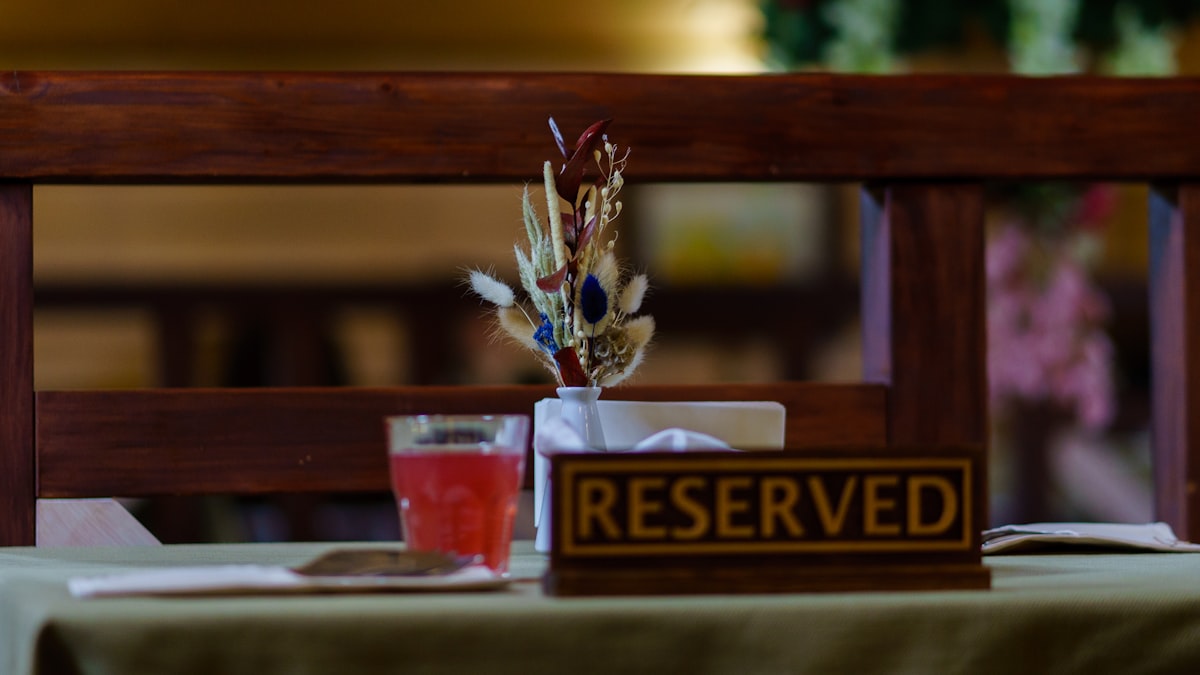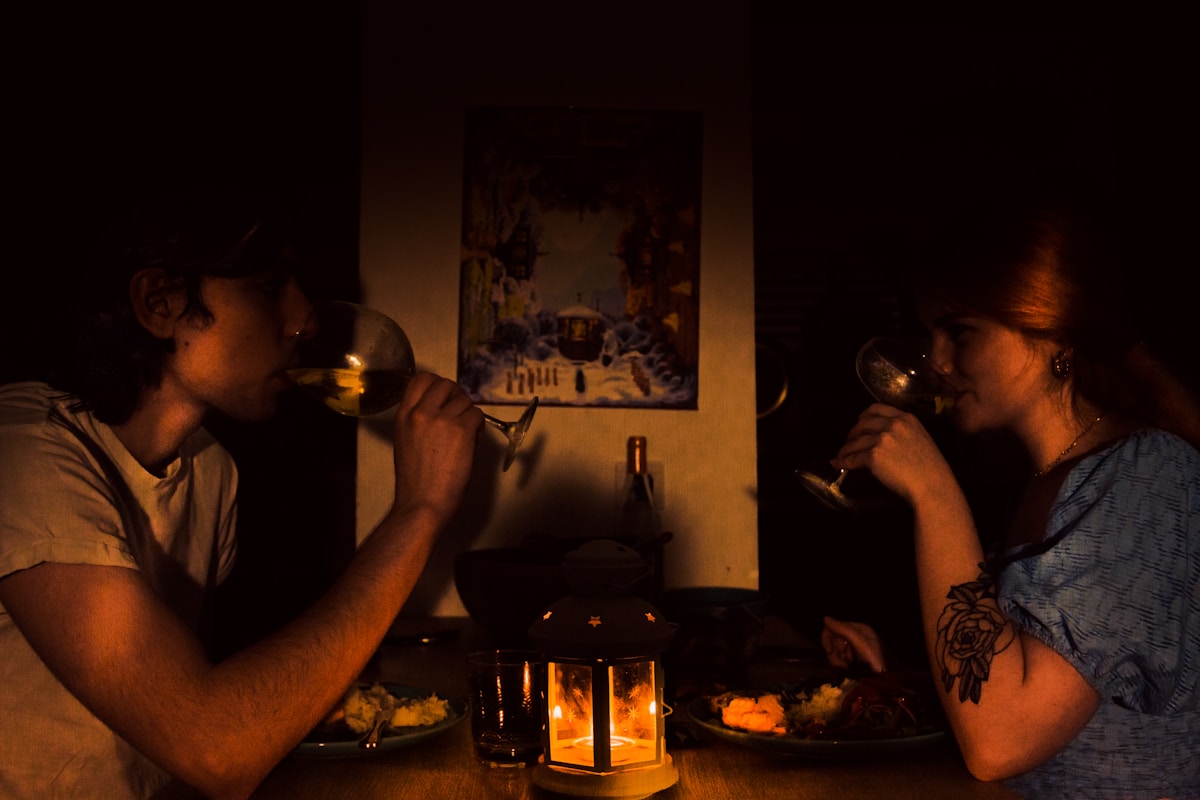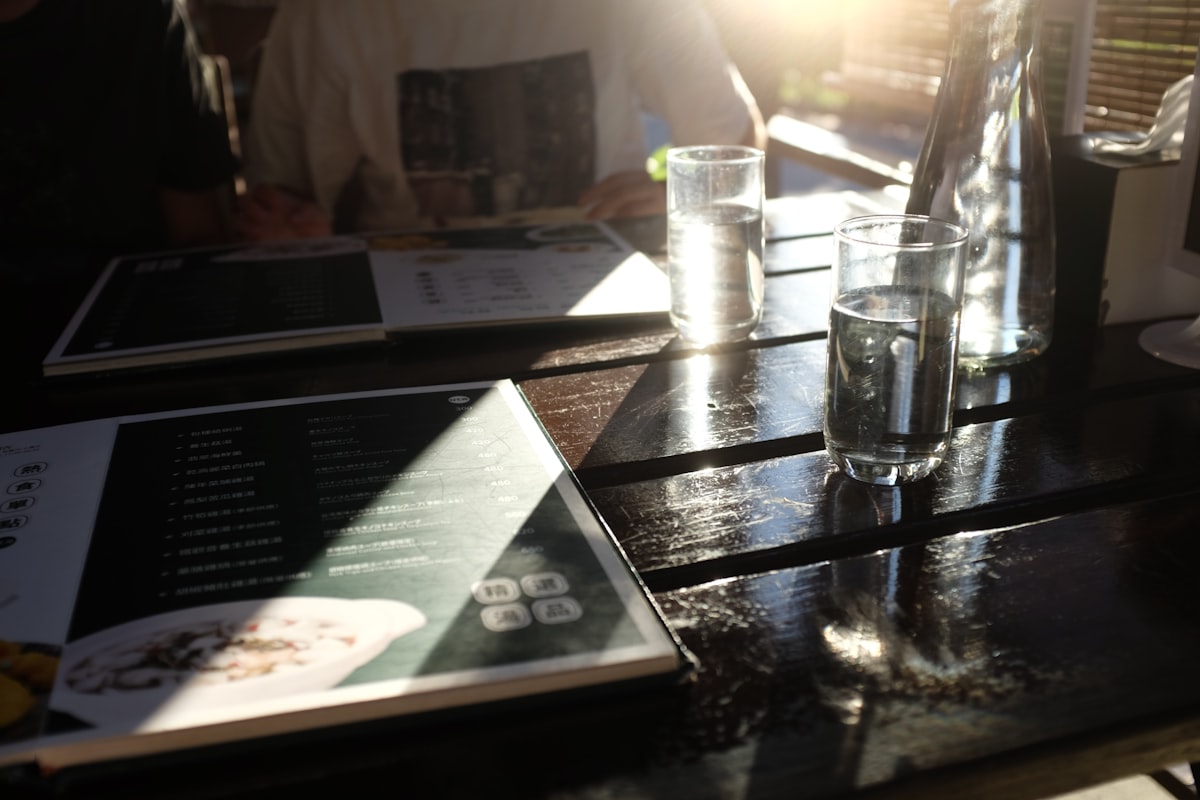
Consider the most expensive thing on offer in a good restaurant on a Wednesday. It is not on the wine list. It is the second bottle ordered at half past two by someone with no laptop open, no phone face-up beside the fork, and no visible dread of the walk back to a desk, because there is no walk back to a desk. That is a person spending two hours of a working day as though they own them, and the whole point is that they do.
For a decade the status reservation was dinner. That is precisely why dinner stopped being a status reservation. When a table becomes a trophy, someone builds a machine to win it, and someone else builds a market to resell it. By the end of 2024, Appointment Trader, the auction site where people flip coveted bookings, had facilitated around 7 million dollars in reservation sales to close to 50,000 users, taking a 20 to 30 percent cut, according to reporting by Columbia News Service. A four-top at Antoine's in New Orleans went for 2,138 dollars over Super Bowl weekend. New York's Restaurant Reservation Anti-Piracy Act took effect in early 2025, and six more states have taken up their own bills, with Louisiana and Florida already signing. When your dinner plans require legislation, dinner has stopped being a flex and become a logistics problem.
So the flex moved to the one slot the machines never bothered to game. Lunch is now the harder reservation, precisely because it is the one nobody can pretend to. You can pay a scalper for the table. You cannot pay one for a schedule elastic enough to disappear at one o'clock on a Tuesday and reappear, faintly rosy, at four.
The rooms have noticed. The food columnist Ed Cumming, quoted in the Gentleman's Journal, said "people who run restaurants tell me that these big midweek lunches ... are really on the up at last," and the numbers, such as they are, agree. OpenTable found seated diners up 11 percent on Wednesdays, the largest jump of any weekday, and put it down to hybrid work. CEO North America, citing OpenTable figures, reported midday dining in New York up 17 percent year on year against a national lunch rise of only 3 percent. In London, the Infatuation now runs a Long Lunch Guide, and one reviewer at Akoko cheerfully clocked leaving the office at half past eleven and returning at four.
Let us read this honestly, because the trend pieces will not. The long lunch is not a democratic pleasure rediscovered. It is an autonomy signal, and autonomy is unevenly distributed. The salaried and the shift-bound do not get to vanish for two hours; the partners, principals, and self-employed with leverage do. What is being advertised across the tablecloth is not taste but control of one's own time, which has always been the rarest currency and the oldest one.
Which is why I find I do not mind it. The eighties power lunch was about being seen; this one is about being seen not to care, which is a subtler and older kind of showing off. The flex works precisely because it wears the costume of indifference, and unbothered, as costumes go, is the better manner. Keep the leisure and bin the performance. Order the second course you do not need. Leave the phone in the coat. The genuinely grand, I have found, never check the time, because for them the point of lunch was never the food. It was the afternoon.