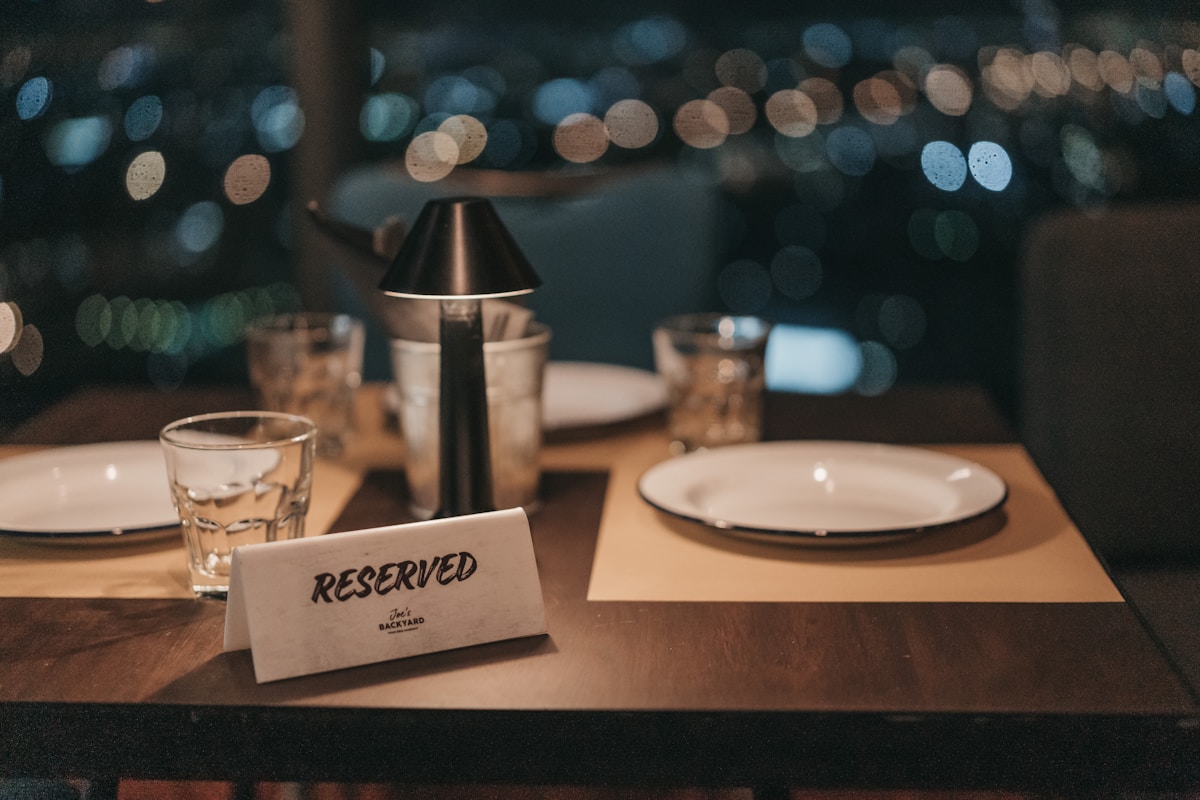
There is a moment near the end of a first date that I have watched play out at the next table more times than I can count. The plates are cleared, the check lands in its little folder, and both people freeze. One reaches, slowly, testing. The other half-reaches, then stops, unsure whether the first reach was real or theater. For a second nobody is having dinner anymore. They are running a silent calculation about gender, money, and what the other person will think of them, all before the card even comes out.
That standoff is what the traditional rule was supposed to prevent, and it is exactly what the traditional rule now produces. Ask Americans who should pay on a first date between a man and a woman, and a clear majority still says the man. A NerdWallet survey conducted by The Harris Poll of 2,061 adults in December 2023 put it at 72 percent, and, tellingly, men held that expectation of themselves more firmly than women held it of them: 78 percent of men agreed the man should pay, against 68 percent of women.
That default has plenty of company, though. Alongside it sits a second rule that etiquette people have recommended for years, and it draws nearly as much agreement. Whoever extends the invitation pays. Not the man, not the higher earner, not whoever the waiter hands the folder to. The host. "The rule when it comes to dates in general, and especially the first date, is the person who extends the invitation [also pays and tips]," the etiquette expert Diane Gottsman told CBS News. "The bill and tip go hand in hand."
I love this rule, and not only because it is tidy. It does the thing I care most about in any piece of etiquette: it lowers the cost of being a stranger. It hands both people a clear script before the check ever arrives, so nobody has to perform the reach or read the other person's face for permission. And it quietly retires a gendered assumption that flattered no one and always cut two ways: that a man's role is to pay and a woman's is to be paid for.
The two expectations are not really rivals a person chooses between. On a first date the man is often the one who did the asking, so a single respondent can hold both at once. In the same poll, 65 percent agreed that whoever did the asking should pay, and here the gender split flips: 77 percent of women said so, against 52 percent of men. Read the two side by side and the divide is plain, with men leaning harder on the man-pays rule and women on the inviter.
The stakes are not small, either. A 2026 BMO index run by Ipsos found the all-in cost of a date, grooming and travel included, now averages 189 dollars, up more than 12 percent in a year. When an evening runs that high, a rule that assigns the cost fairly matters more, not less.
The rule bends, of course, and it should. Gottsman notes that once you know it you can absolutely set it aside, and the graceful move is to say so out loud: this one is on me, or let's go dutch, before the folder becomes a negotiation. That is the part people forget. The etiquette was never really about the money. It was about not leaving someone stranded at the table, guessing. So do the asking, then do the paying, or say plainly that tonight you would rather split. Either way, name it first. Be legible, be generous, and leave the other person a way in.