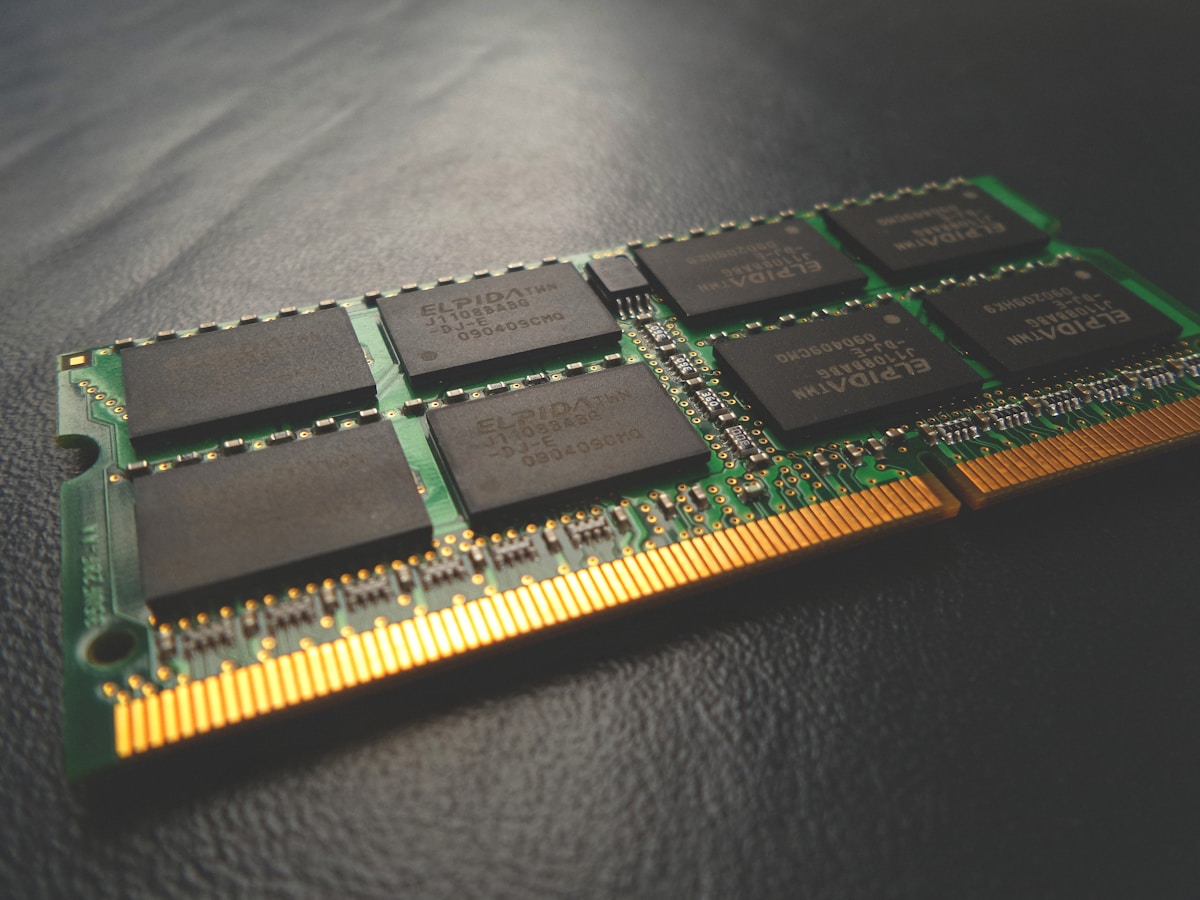
I went to buy a stick of RAM last month for a laptop I was fixing at my bench, the eight-dollar kind of errand I have run a hundred times, and the part cost more than the machine was worth. Then I checked Framework, the company that sells its memory in the open precisely so people like me can repair and upgrade, and found it had stopped selling standalone sticks altogether, to keep scalpers from snapping up the supply meant for repairs. That was the moment this year's price creep stopped reading to me as noise. Something structural has happened to the cost of memory, and it is sitting on the receipt of almost every gadget you own.
Here is the whole thing in one sentence. The handful of companies that make the memory chips inside your phone, laptop, console, and camera earn far more selling those chips to AI data centers than to you, so they have aimed their factories at the data centers and left the rest of us to fight over what is left.
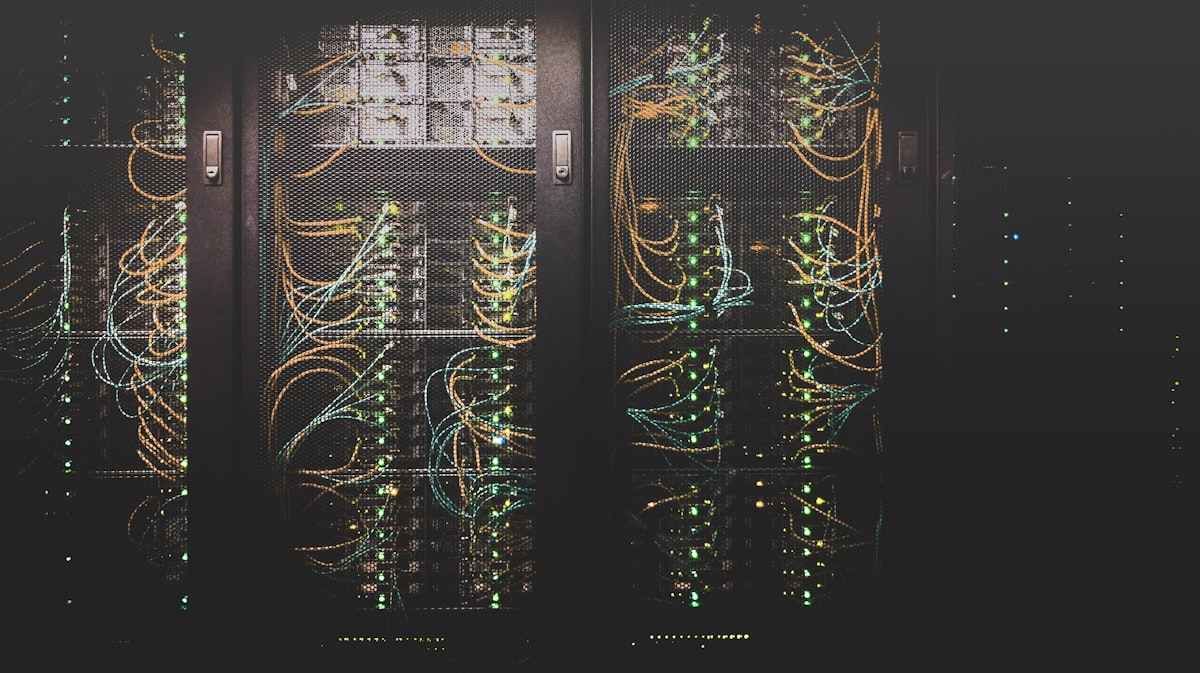
Three companies, Samsung, SK Hynix, and Micron, hold more than 90 percent of the DRAM market, the working memory in your devices, by IDC's count. The money now is in high-bandwidth memory, the stacked chips that feed AI accelerators, and it is greedy stuff to build: a single bit of it eats roughly three times the factory wafer area of the ordinary DDR5 in your laptop, TrendForce reckons. So every wafer they point at AI is a wafer taken from everything else, and TrendForce says the big three are "continuing to prioritize production and shipments toward higher-priced, higher-margin server applications." IDC estimates AI data centers will swallow around 70 percent of the world's memory output in 2026, up from 20 to 30 percent just a few years ago. This is not a shortage in the hurricane sense. It is a decision.
The result is a price move without much precedent. TrendForce, which tracks this market, reports that DRAM industry revenue jumped 81 percent in the first quarter of 2026, to 97 billion dollars, as contract prices for ordinary DRAM rose between 93 and 98 percent in a single quarter. NAND flash, the stuff inside your SSD, went the same way: GamersNexus tracked the raw chips climbing roughly 8 to 9 times in a matter of months. None of this is expected to ease soon. Intel's chief executive, Lip-Bu Tan, said at a Cisco AI summit in February that two of the key memory players had told him plainly there is no relief until 2028, Bloomberg reported.
You do not need the spot-market charts to feel it. You need a shopping cart.
The chart shows the sticker prices; the rest of the damage sits underneath them. On a graphics card, VRAM, the memory on the board itself, now runs to more than 80 percent of the parts cost of a high-end card, which is most of why the flagships cost what they do. Laptops from Dell, Lenovo, Acer, and ASUS are up 15 to 30 percent, with HP telling investors that memory alone now makes up about 35 percent of a PC's cost, roughly double what it was two quarters earlier. And every console maker is raising prices inside the same twelve-month window, the last of them Nintendo's hike due September 1; by that reporting it is the first time all three have moved at once, and Nintendo, not a company given to drama, calls the pressure medium to long term rather than temporary.
So here is the part where I usually tell you whether to buy the thing. The honest answer is the two-year question, and the two-year answer is grim: the chip factories, or fabs, take years to build, the makers have every incentive not to reverse course, and nobody credible is promising relief before 2028. If you genuinely need a device, buying now is not panic, it is the only rational read, because next year's version will almost certainly cost more and ship with less. If you do not need it, keep what you have and treat this as the moment to actually repair the old one.
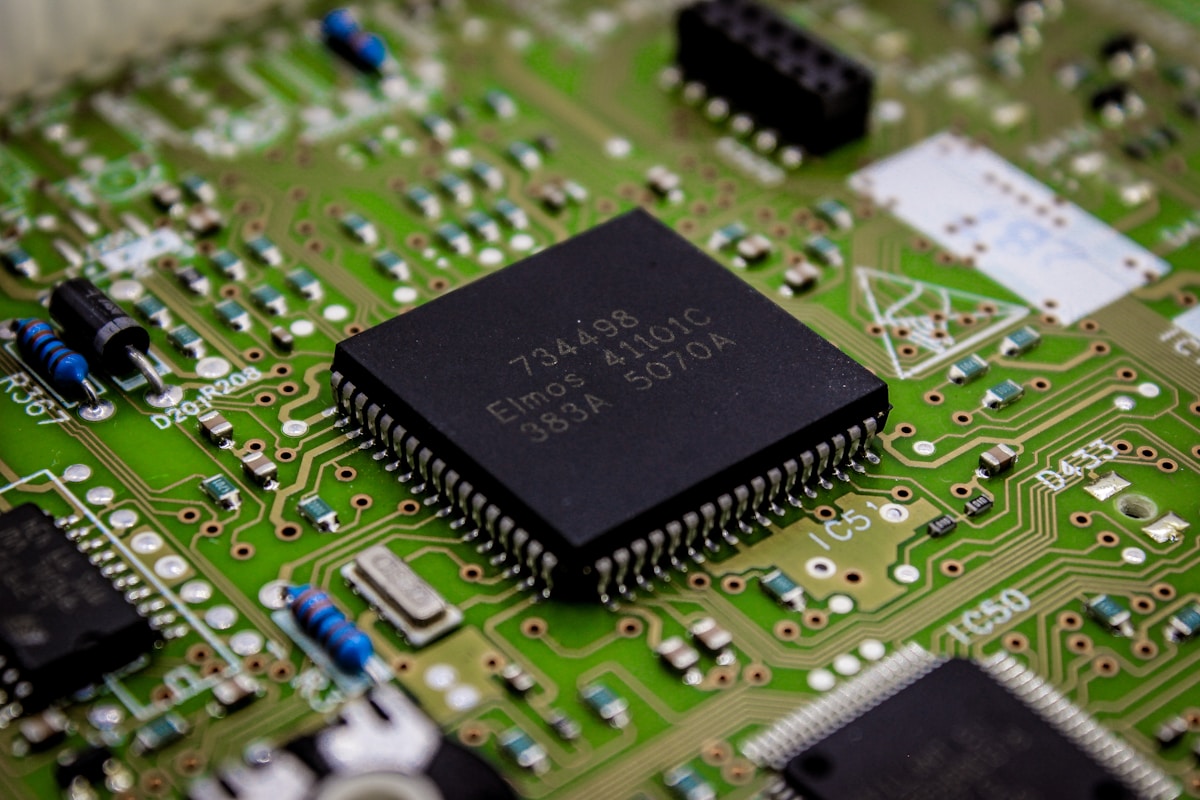
Which brings me to the quiet insult in all of this. The phone and laptop you own were built with the memory soldered down, no upgrade path, right as memory became the expensive part. The industry spent a decade gluing your RAM in place, and the one year that decision costs you real money is the year it will not sell you a spare stick to fix it. The accessory they will happily sell you instead, of course, is the whole new machine.