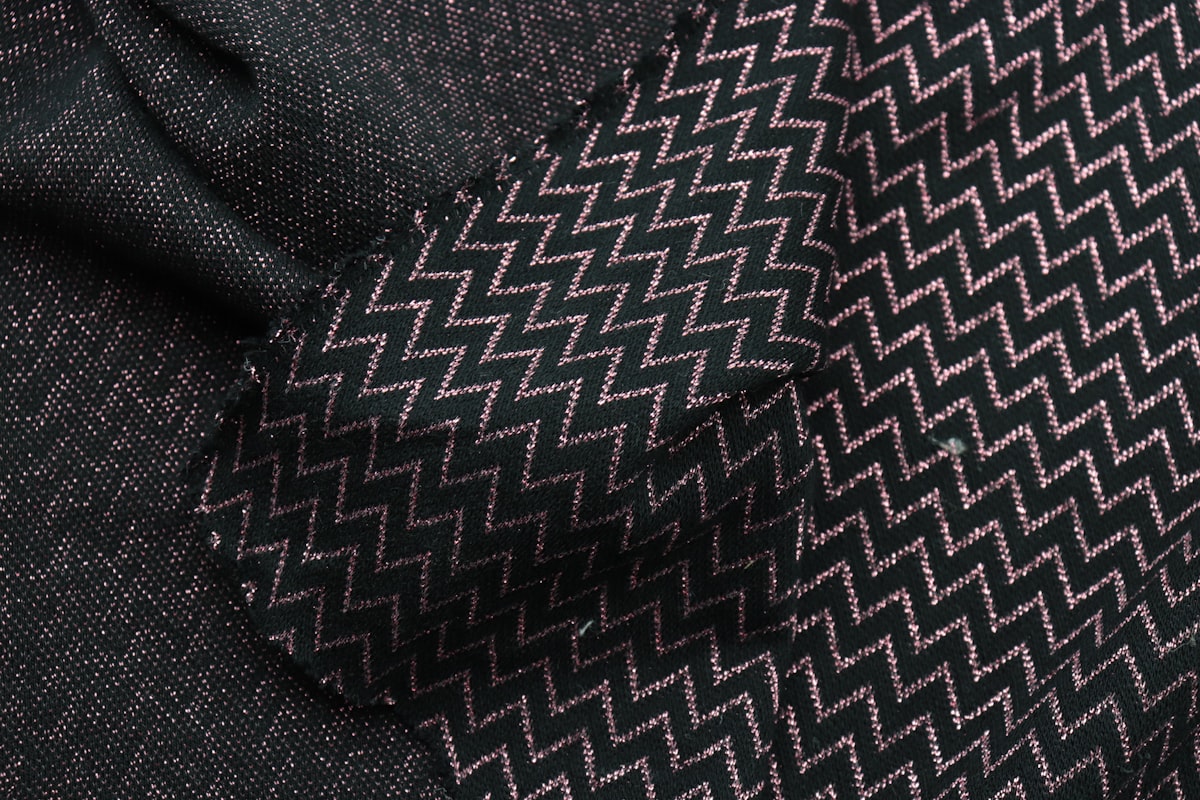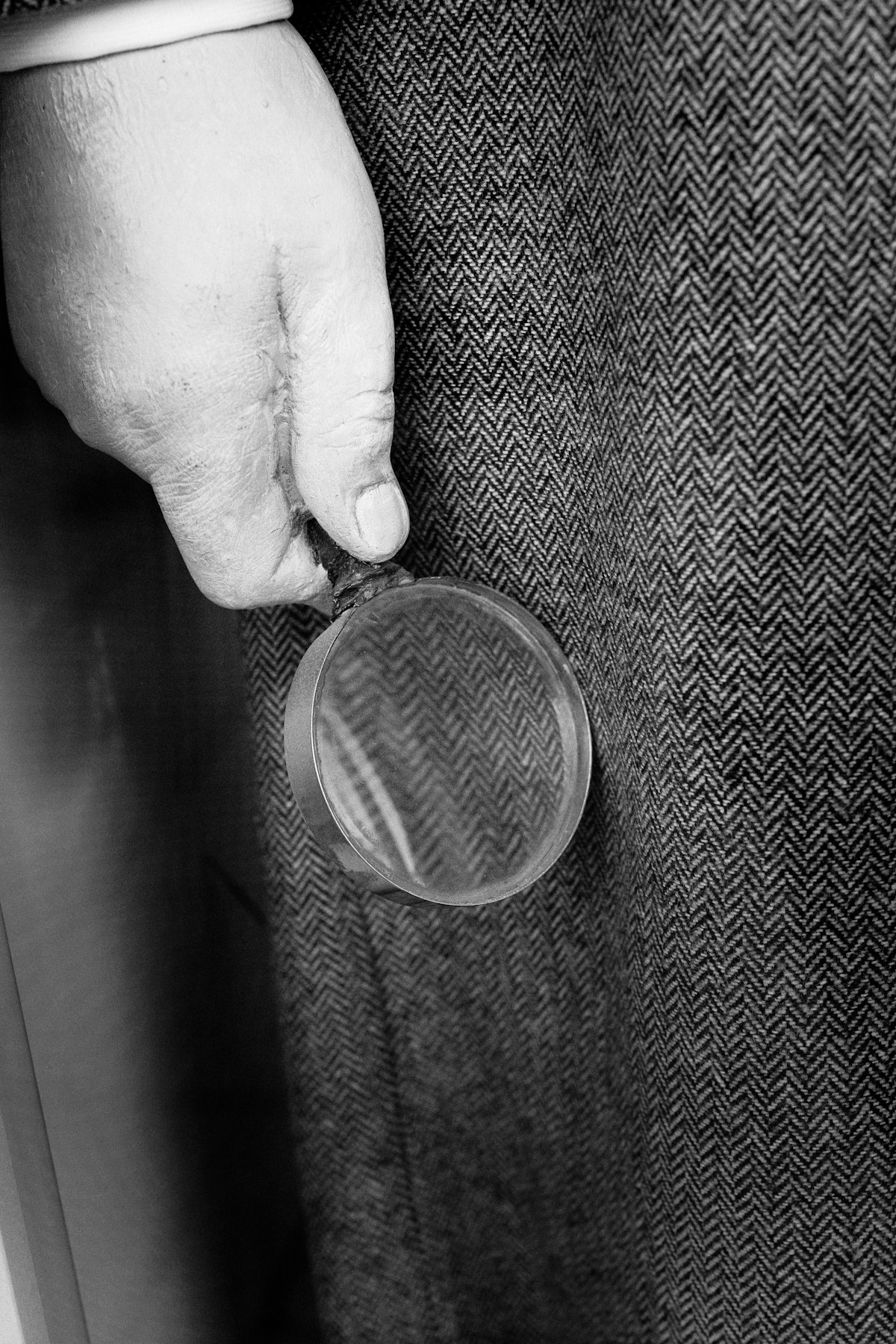
Turn the shirt inside out and you can see what Chanel actually bought. The stripe runs unbroken from the placket across the chest pocket and over the split-shoulder yoke, matched to the millimeter where three separate panels meet, which is the sort of thing you only get by cutting each panel by hand. By one detailed account of the construction, lining the pattern up that precisely wastes as much as a quarter of the cloth per shirt. That is not a detail. That is the whole business. A machine can sew a shirt; it cannot decide to throw away a quarter of the fabric to keep a line honest across a seam. A person decides that, and the person who decides it is now, as of early July, an employee of Chanel.
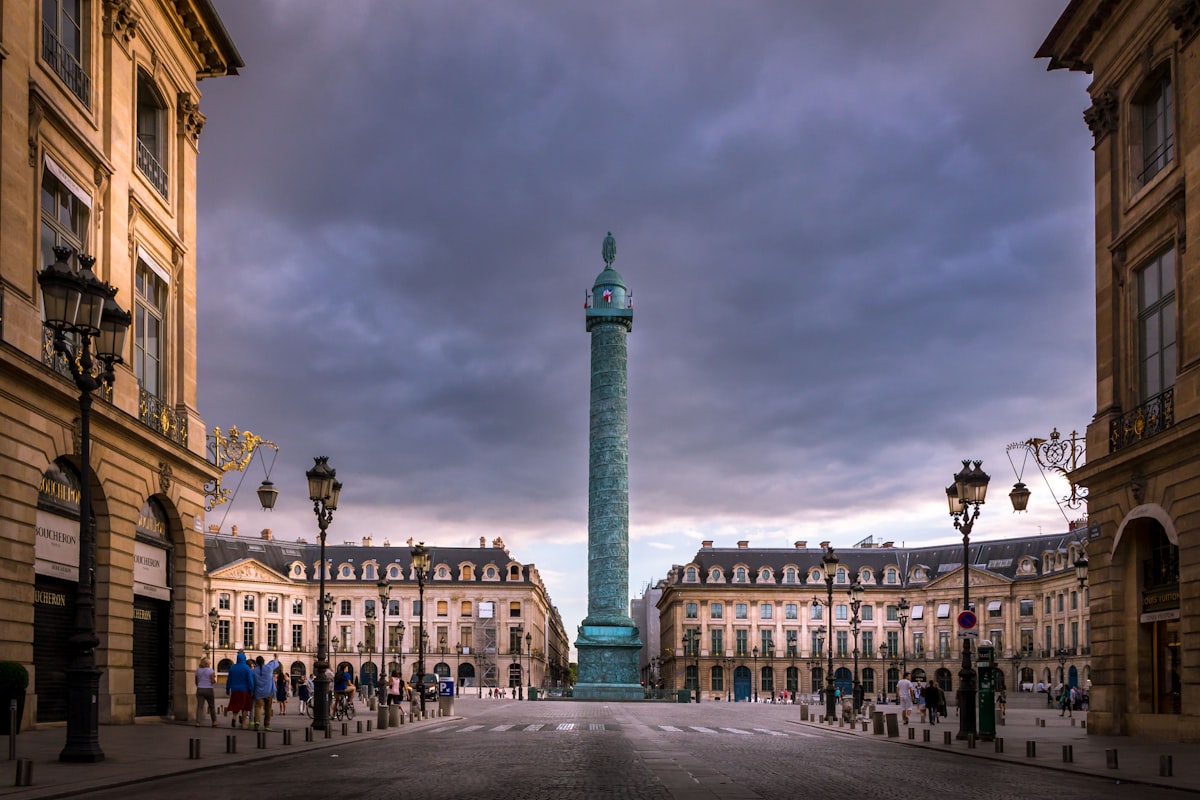
On July 2, 2026, Chanel announced it had acquired Charvet, the Paris shirtmaker founded in 1838 and generally called the oldest in the world. Terms were not disclosed. Chanel took the business, the name, and the six-floor building on the Place Vendome, where Charvet has traded since 1877. The workshops that actually make the shirts, in Saint-Gaultier in central France, come with it, and Chanel says it means to protect that production. Charvet will keep its own door, its own label, and its own customers, run as a standalone rather than folded into the crafts cluster Chanel runs on the edge of the city.
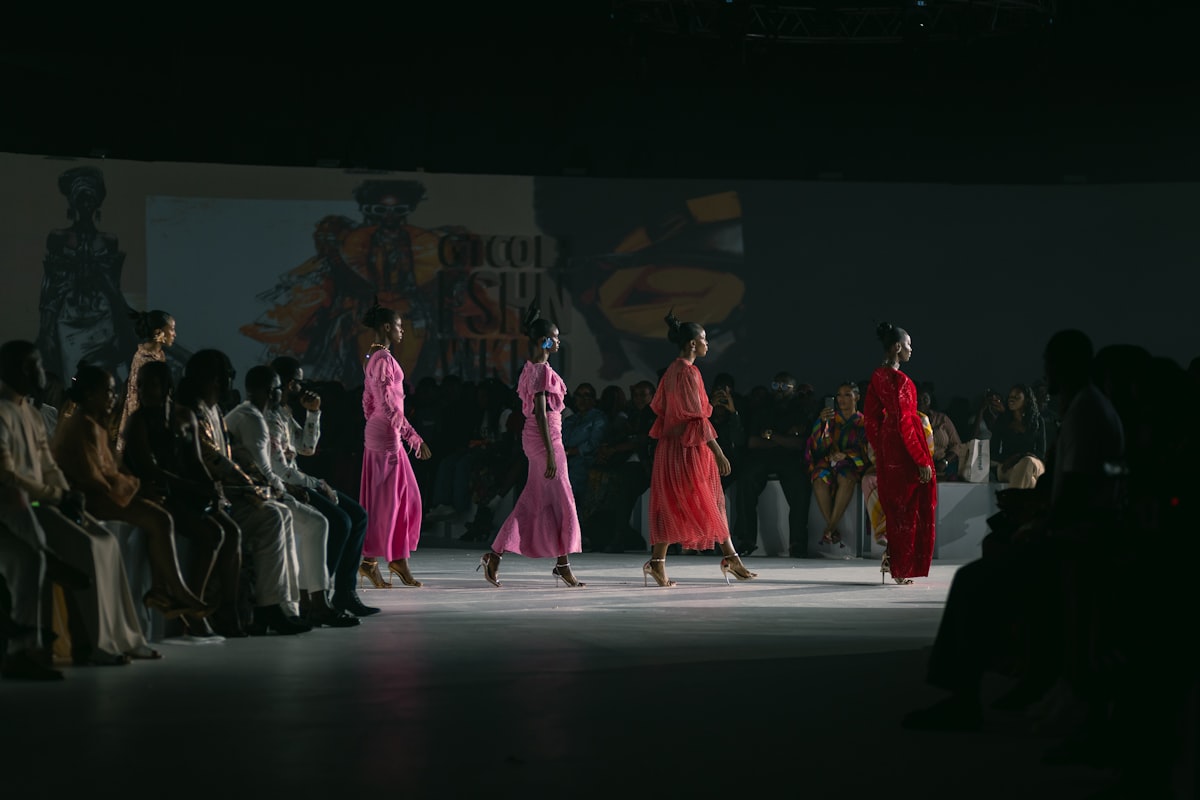
The reason for all of this is a shirt. When Matthieu Blazy showed his first collection as Chanel's artistic director last October, the pieces that traveled were not the tweed. They were three oversize cotton button-ups made by Charvet, each weighted at the hem with a Chanel chain and closed with a single pearl button. WWD reported that the first batch retailed for 3,500 to 3,900 euros; men's-style coverage put a co-branded tuxedo version higher, at $7,130, and said it sold out within hours. Nicole Kidman and Jacob Elordi were among those who wore one, by WWD's account. A collaboration became an "It" piece, an "It" piece became a supply question, and the supply question became an acquisition. Bruno Pavlovsky, who runs Chanel's fashion side, told The New York Times, in remarks carried by AFP, what the purchase was for in a sentence no press release would have dared: "Now we have a name, Chanel, for women, and a name for men, Charvet."
Read that again, because it is the honest part. Chanel has never sold men clothes. It dresses women, it has always dressed women, and for a house that size the absence of a menswear line is a hole in the ledger, not a matter of taste. Buying Charvet does not open a Chanel men's store; Pavlovsky says there are no plans for one. It gives Chanel a men's name it can point to, a two-century shirtmaking pedigree it did not have to build, and a claim on the male customer it can make with someone else's history. The house has already signed A$AP Rocky and Pedro Pascal as ambassadors; the shirt sold out; the strategy was waiting behind it.
Charvet is a good history to own. Joseph-Christophe Charvet, whose father kept Napoleon's wardrobe, opened on the rue de Richelieu and is credited with inventing the idea of a shop devoted to shirts rather than a tailor who also made them. Winston Churchill dressed there, and so did John F. Kennedy. Coco Chanel herself wore Charvet, having borrowed the shirts of her lover, the polo-playing coal magnate Boy Capel, which is the connection every account of this deal reaches for and which explains nothing about why the deal happened now. What explains it is succession. Denis Colban, Charvet's own fabric supplier, bought the house in 1965; his children Anne-Marie and Jean-Claude have run it since and are now in their seventies, with no family heir to take it on. Pavlovsky says the sale was their idea. That is the quiet machinery under most of these acquisitions: not a love story, a house with no one to inherit it.
Chanel has been collecting exactly these houses for forty years. It started in 1985, under Karl Lagerfeld, with the button and costume-jewelry maker Desrues, on the logic that the small ateliers couture depends on were dying of industrialization and empty succession. In 1997 it put them under a subsidiary with the almost embarrassing name Paraffection, roughly "for the love of it." The embroiderer Lesage, the shoemaker Massaro, the feather-and-flower house Lemarie, the goldsmith Goossens, the Scottish cashmere mill Barrie: Chanel owns these metiers d'art, the craft ateliers couture cannot do without, and lets them keep taking orders from rival houses. In 2021 it moved eleven of them into a single building at the edge of the nineteenth arrondissement, named it 19M, and let architects and journalists call it a cathedral of craft. Wallpaper* counts the whole of Paraffection at 38 ateliers and some 5,000 jobs. Charvet makes it, in the framing everyone used this month, one more.
I want to be careful here, because the reflex is to file this under rescue and move on, and it is not only rescue. It is also enclosure. Every one of these houses was, before Chanel arrived, a supplier that could say yes or no on its own account. Lesage embroidered for whoever paid; Charvet cut shirts for anyone who walked into the Place Vendome. Chanel lets them go on serving rivals, and that openness is real and worth saying plainly. But it is now a permission, not a right. The discretion has changed hands. The atelier keeps its rivals-turned-clients at the sufferance of the house that owns it, and a permission granted is a permission that can be withdrawn. You can call that protection. You can also call it the couture house making sure the hands it needs answer, in the end, to it.
The shirt is beautiful. I said that up top and I meant it: the yoke is a real piece of work, the kind of thing that takes a cutter who has done it ten thousand times and a house willing to burn the cloth. Chanel reported $19.3 billion in revenue for 2025, and it still could not, on its own, make the shirt everyone wanted, so it bought the people who could. Call that a giant that cannot make its own best shirt, and know that is my phrasing, not a fact. The fact is the transfer. For 188 years the answer to who decides what Charvet makes sat inside Charvet. Now it sits with Chanel, on the rue Cambon where the house began, a short walk and one balance sheet from the shop on the Place Vendome. The seam is still perfect. It is just no longer independent.