Demna, Gucci's new designer, did not hold a show for his first collection. He sent out a lookbook and reserved the runway for February 2026. I keep returning to that choice because it is honest in a way the rest of this year was not. A lookbook is an image. It is the collection with the bodies taken out, the walking and sitting taken out, and above all the buying taken out. It is the purest version of what the reshuffle has been: a picture of renewal, beautifully lit, that almost no one has yet had to wear or pay for.
The reshuffle was real and enormous. WWD counted 15 designer debuts for the Spring/Summer 2026 season alone. Matthieu Blazy walked into Chanel, Jonathan Anderson took all of Dior under one hand, Pierpaolo Piccioli moved to Balenciaga, Demna crossed from Balenciaga to Gucci, Louise Trotter took Bottega, Loewe went to Jack McCollough and Lazaro Hernandez, who built Proenza Schouler. The chairs emptied and filled in a chain, and the industry told itself one story: fresh signatures would pull the customer back into rooms she had stopped entering. Grace Wales Bonner takes Hermes menswear in January 2027, Christopher Kane Mulberry's women's wear this September; both debuts are still to come. The premise was that talent is demand.
Six months on, the people who count the money do not believe it. Ahead of its European luxury conference in Paris in May, Morgan Stanley cut its forecast for 2026 personal-luxury growth to about 2.5 percent, down from the 4 to 5 percent it had projected as recently as last autumn. Morgan Stanley wrote that the new wave of creative directors "raised expectations that innovation could help reignite demand," and added that "six months later, that optimism has waned." The forecast was inflated by the reshuffle, the reshuffle did not deliver, so it came back down. The debuts were priced in as demand, then priced back out.
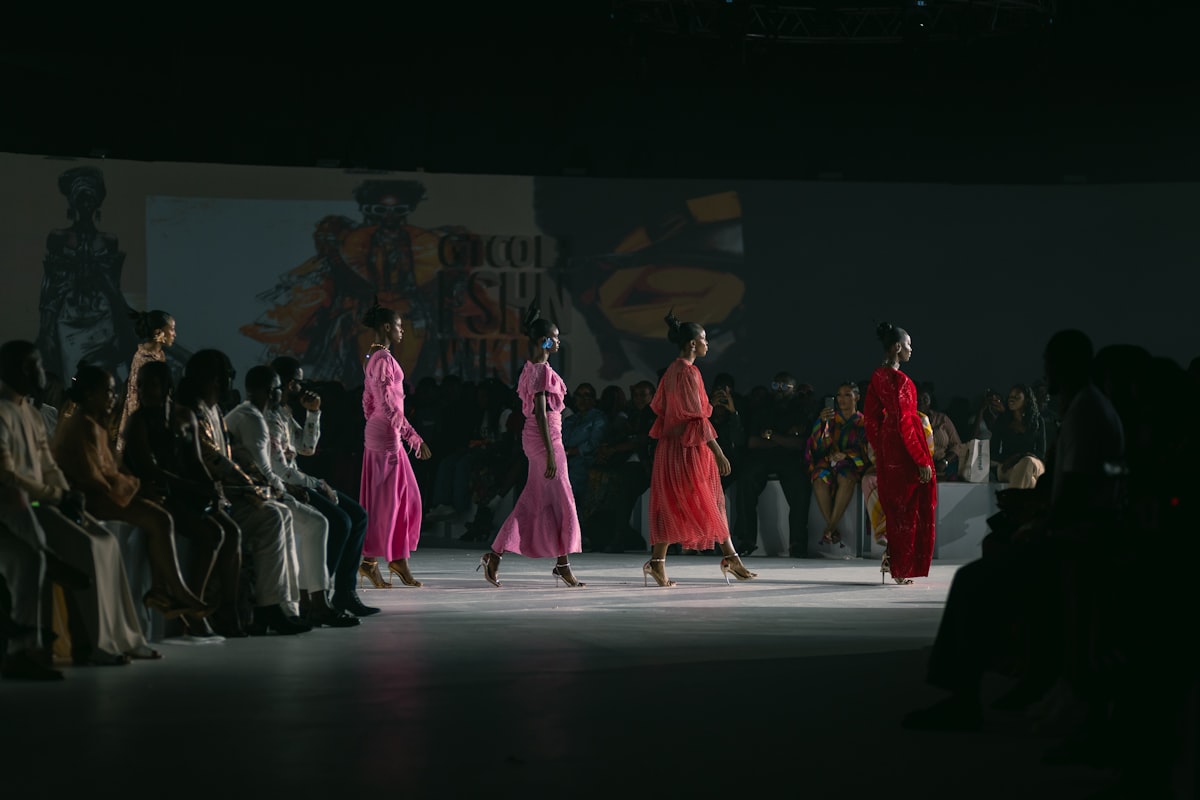
This is what the show notes never explain and the atelier grasps in a second. A debut is an event. Demand is a habit. You can draw the most beautiful first collection of your life, earn the standing ovation Blazy got on the final day of the shows, watch his co-branded Charvet tuxedo shirt sell out in hours, and none of it tells you whether a salaried woman buys the coat at full price in March. The runway is the least reliable version of a garment. The real test is the stranger paying for it on a Tuesday, long after the applause. The honest houses know it, which is why Demna arrived at Gucci talking about hit items that move units, not the picture.
Turn the year inside out and the same seam shows everywhere: a creative event dressed up as a commercial one. Morgan Stanley's Edouard Aubin, its head of European luxury brands research, describes a K-shaped market: the top spending freely on their asset gains, the aspirational buyer under strain and staying home. A new name on the door does not change that split. It changes the conversation for one season. The customer luxury actually lost, the thirty-year-old who used to buy the small leather goods, did not leave because her creative director was dull. She left because she was priced out, and no signature at the same price brings her back. That is the sentence the reshuffle was built to avoid.
In fairness, and the workroom taught me to check my own seams too, it is early. Most of these debut collections only reach the sales floor across 2026; a flat read at six months is partly a clock, not a verdict. Morgan Stanley itself sees stabilization, better store traffic, tourists returning, and floats a real upside: in a separate note Aubin argues that if fashion's pendulum swings back from quiet minimalism toward maximalism, "the commercial impact could be material," because people dressing "more ostentatiously" traditionally need more new pieces. Perhaps the debuts are the first push of that swing. Perhaps.
But I have watched this business mistake a good show for a good year too many times to sign the forecast it wanted. Fifteen debuts is a spectacular amount of talent to spend, and talent is not the thing that is broken. Price is. A house can hire the best hands in Paris and still, by Bain's own count, be charging 50 to 70 percent more for a like-for-like iconic bag than it did in 2019, and the new hands never touch the sticker. The reshuffle was a real answer to the wrong question. It asked who should design the bag. The customer had already asked the older, ruder one, the question you settle by turning the thing inside out: is it worth the money, and can I sit down in it.