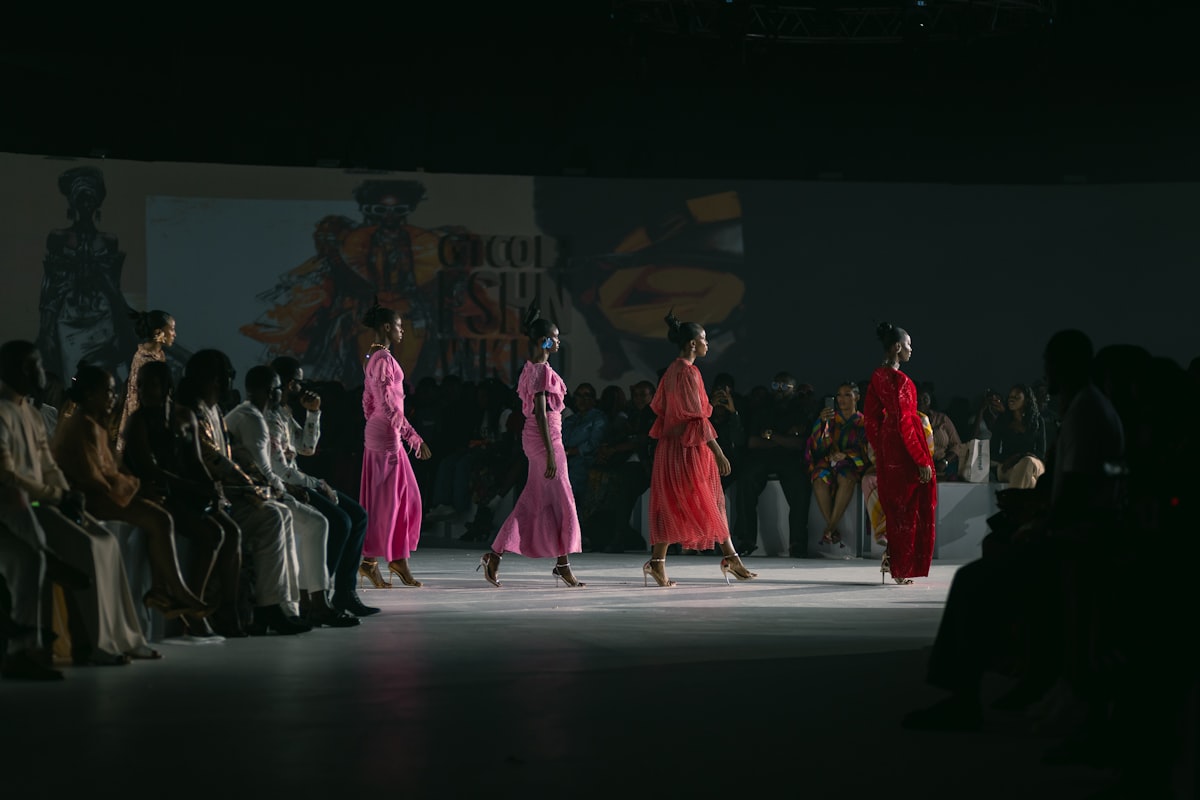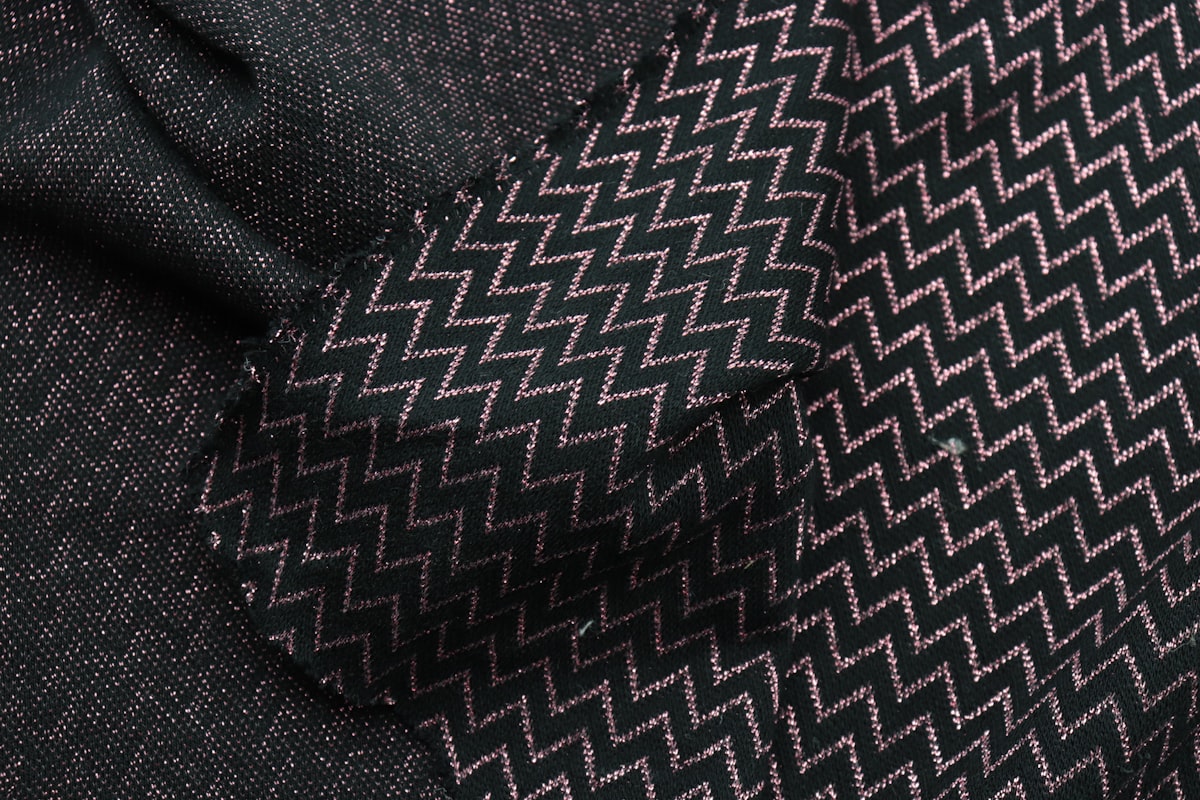
Turn one of Véronique Nichanian's jackets inside out and you learn the whole case in a second. The double-face cashmere needs no lining because the cloth is finished on both faces, so there is nothing to hide and nothing glued. For thirty-seven years that was the Hermès men's proposition: a garment you could wear on a Tuesday without anyone naming the house for you. On January 24, in a former stock exchange in Paris, she showed her seventy-sixth collection and stepped out to a standing ovation from a room that held Paul Smith, Usher, and Travis Scott, then went to acknowledge, on the screens above her, clips of every bow she had taken before. She is seventy-one. She told Le Figaro it was time to pass the torch.
That she got to choose the moment is the part the industry should sit with. Nichanian said she had spent a couple of years discussing the handover with Axel and Pierre-Alexis Dumas, and that Hermès let her leave when it felt right. In a business that spent the last two years swapping designers like faulty parts, an orderly goodbye is now the rare thing. She is not even leaving the building: she keeps the men's leathers and silks. Hermès is expected to sit out the June runway season entirely, according to WWD, leaving roughly a year between Nichanian's final show and her successor's first rather than rush a replacement onto the calendar. A house that turns over 15.2 billion euros a year, per its 2024 accounts, can afford to leave a chair empty for a season. Most cannot, and it shows in their seams.
The chair goes to Grace Wales Bonner, and the appointment is genuinely historic: Hermès says she is the first Black woman to lead a major fashion house. She is thirty-five, born in South-East London to an English mother and a Jamaican father whose family came over with the Windrush generation. She founded her own label out of Central Saint Martins in 2014 and will keep running it. The trophies are real, not decorative: the LVMH Prize in 2016, the CFDA's international men's award in 2021, an MBE in 2022. Pierre-Alexis Dumas called her arrival "the beginning of a dialogue," which is house language, but the dialogue is the interesting part.
Because Wales Bonner does not cut like Hermès cuts. Her debut collection, Afrique, put European tailoring against African textile, and her decade since has been silk waistbands, handwoven Ethiopian cloth, Jamaican music, and post-colonial reading lists, worn seriously. The Adidas partnership that revived the Samba proved she can move a shoe, but the label's real signature is that a tuxedo can carry a diaspora and still close cleanly at the shoulder. The question is not whether she can design; it is what a specific, argued voice does inside a house whose whole discipline is to argue nothing out loud.
Nichanian, asked about her successor, told Business of Fashion that Wales Bonner "will write a new page of the book." I would only add the tailor's caution: a new page is easy, a new hand is not. We find out in January 2027. Turn the first jacket inside out, and we will know.