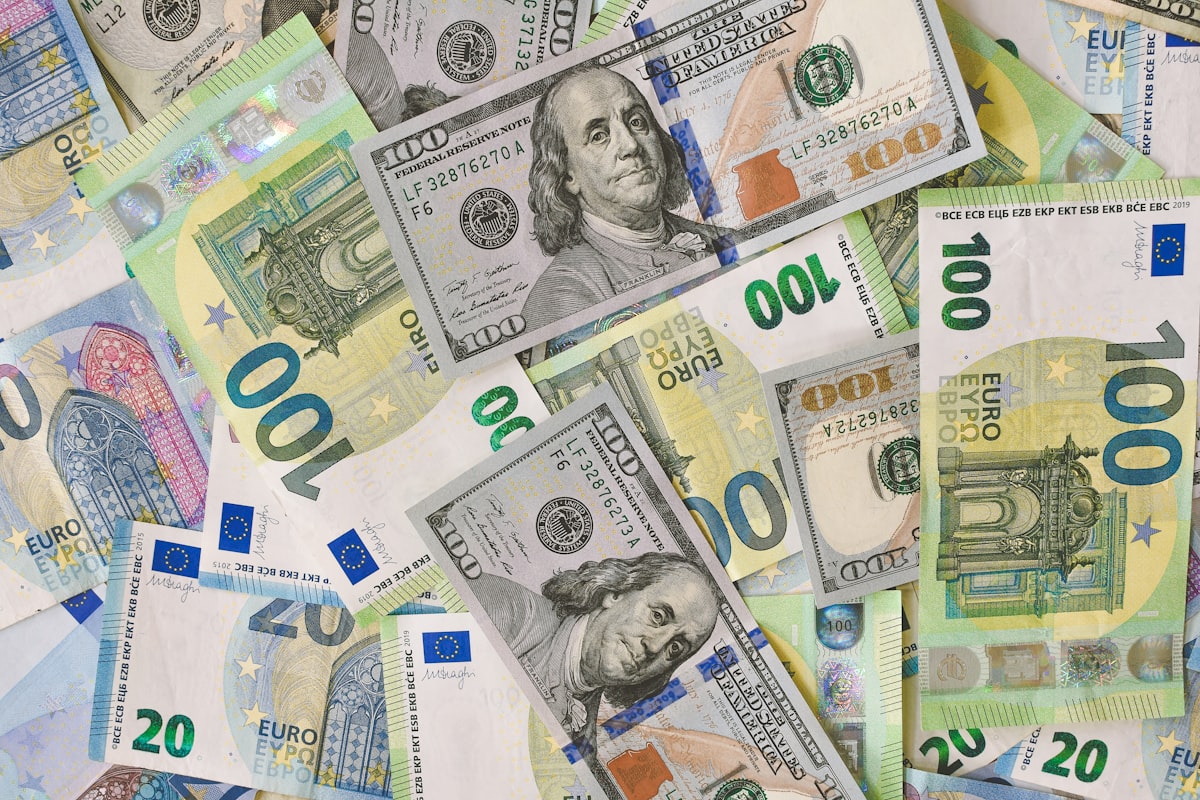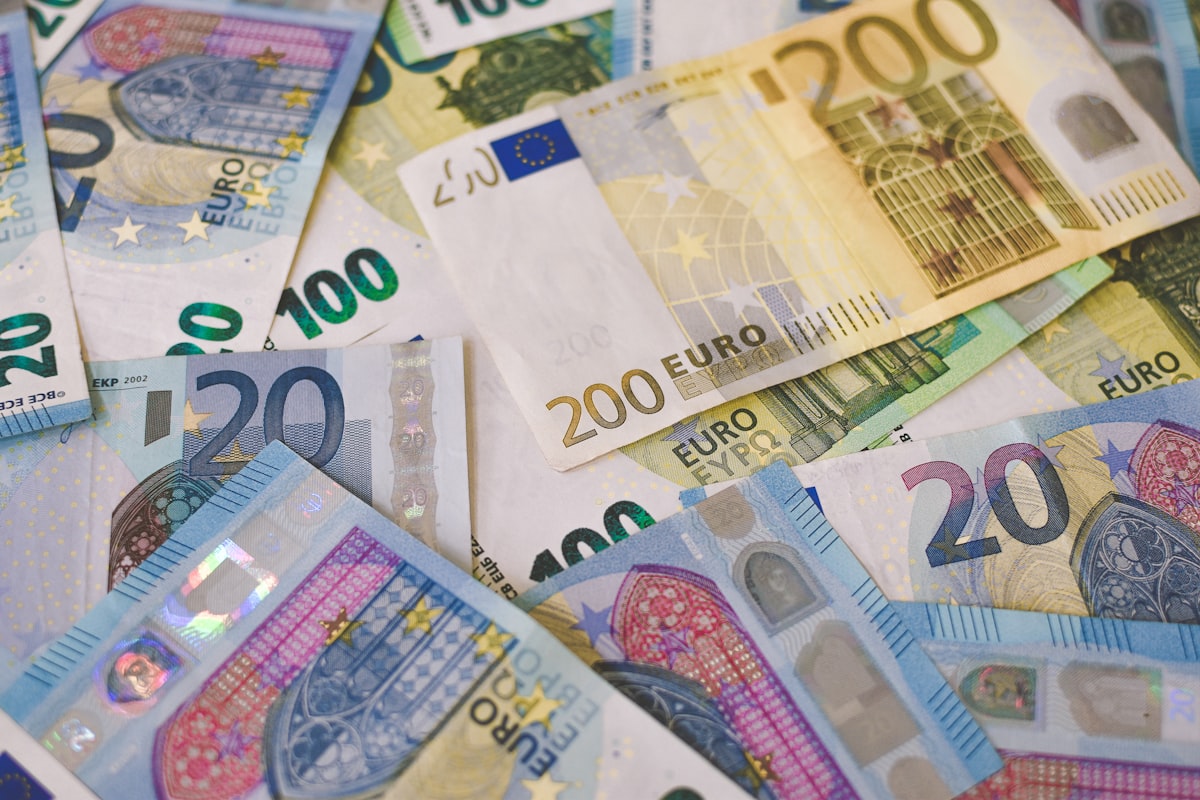
Ten designs, 21 jurors, 1,241 applications, and one rule that tells you everything about how nervous this project is: on the ballot the European Central Bank put online on July 23, none of the ten proposals carries a designer's name. Each is just a letter, A through J, so that voting on the euro's next face is not quietly a vote on the nationality of the person who drew it. The ECB borrowed the trick from 1996, when the original "ages and styles" notes were also judged anonymously, by number, before Robert Kalina's fictional bridges and doorways won and went into every wallet in the currency union when the notes entered circulation in 2002. Those bridges represented nothing, on purpose. That was the point of them. This redesign gives that up.
Christine Lagarde framed the stakes plainly at the unveiling: "Euro banknotes are more than a means of payment - they are one of the most tangible expressions of Europe. Through designs that combine beauty and meaning, they will reinforce our shared identity." Five of the ten shortlisted designs test that claim directly, by putting an actual person on the front: Maria Callas on the 5 euro, Ludwig van Beethoven on the 10, Marie Curie on the 20, Miguel de Cervantes on the 50, Leonardo da Vinci on the 100, Bertha von Suttner, the Austrian pacifist and first woman to win a Nobel Peace Prize, on the 200. Three women, three men, six nationalities, each one now standing in for the whole continent. The other five designs dodge the problem entirely: a wallcreeper, a kingfisher, a white stork, and other river birds set against EU institution buildings, nobody's national hero, nobody's disputed spelling.
That contrast is the real story here, and Marie Curie is already proving it. Poland's ministry of science says an earlier ECB concept rendered her simply as "Marie Curie," with no reference to the name she was born with in Warsaw in 1867. In August 2025, the minister, Marcin Kulasek, wrote directly to Lagarde to object, in a letter translated here from the Polish: "the choice of Maria Sklodowska-Curie's full name on the 20 euro banknote is not merely a formality, it is also a symbol of recognition for our shared European identity, history and heritage." NBP governor Adam Glapinski sent a parallel letter, and the ECB revised its wording to "Marie Curie (born Sklodowska)," a bracket that, as Euronews reported, Polish critics still read as a demotion rather than a fix, since Cervantes and Beethoven keep their full names intact in every language version. It is not the first round of this exact fight: in 2014, Polish pressure got the European Commission's research grants renamed from "Marie Curie Actions" to "Marie Sklodowska-Curie Actions." A figure chosen precisely because she reads as jointly, safely European turns out to belong to a specific country the moment her name has to be printed on currency, and Poland is not going to let that ownership go unclaimed. The ECB can anonymize the artists. It cannot anonymize the person on the note.
There is a smaller, more interesting move buried in the culture designs, which is that none of the six figures stands alone. The reverse sides drop the solitary-genius portrait entirely and show choirs, classrooms, readers, exhibition rooms, people gathered outdoors, the ordinary crowd around Callas or Curie rather than Callas or Curie by herself. It reads as an admission that a single face claiming to represent 350 million people is a lot to ask of one dead soprano, so the note quietly surrounds her with a crowd to soften the claim.
None of this gets settled quickly. The ECB first expected a decision on the new look by 2024; the shortlist only arrived this July, and the Governing Council will not rule until "around the end of the year," weighing the jury, a technical review, and two surveys, one online and open to anyone through September 21, 2026, one run privately among a representative sample of euro area citizens by an outside research firm. Whatever wins will not reach a wallet for years. The bridge-and-doorway notes worked, dully, for over twenty years precisely because they refused to belong to anyone. The new ones are betting that Europeans want their money to belong to somebody after all. They should not be surprised when everyone wants a say in who.