I ordered a filter coffee once and got a seminar. The barista told me the varietal, the farm, the altitude in meters, the processing method, and the three things I was supposed to taste, in order, before I had touched the cup. Behind me the line grew. My coffee cooled while a very earnest young man explained jasmine to me. It was a good coffee. I have no idea if it tasted of jasmine, because by the time I drank it, it tasted of waiting.
For about fifteen years, this was the promise of specialty coffee. The term third wave was coined in 2002 by a roaster named Trish Rothgeb, writing in a guild newsletter to describe coffee that cared where the bean came from, the way wine cares about the vineyard. It gave us single origins, tasting notes, and the pour-over performed at your table like a tea ceremony. It also gave us the ten-minute cup, counting the seminar, the queue, and the wait for it to cool.
The ritual was always fighting the clock, and the clock is undefeated. A pour-over takes about three minutes to brew, per the magazine Works in Progress, plus another minute or two to set up and clean. In that same window, a decent barista can pull ten espresso drinks. Nobody, the piece notes dryly, wants to pay what a three-minute cup actually costs. So the math was never really in doubt. It just took the industry a while to admit it out loud.
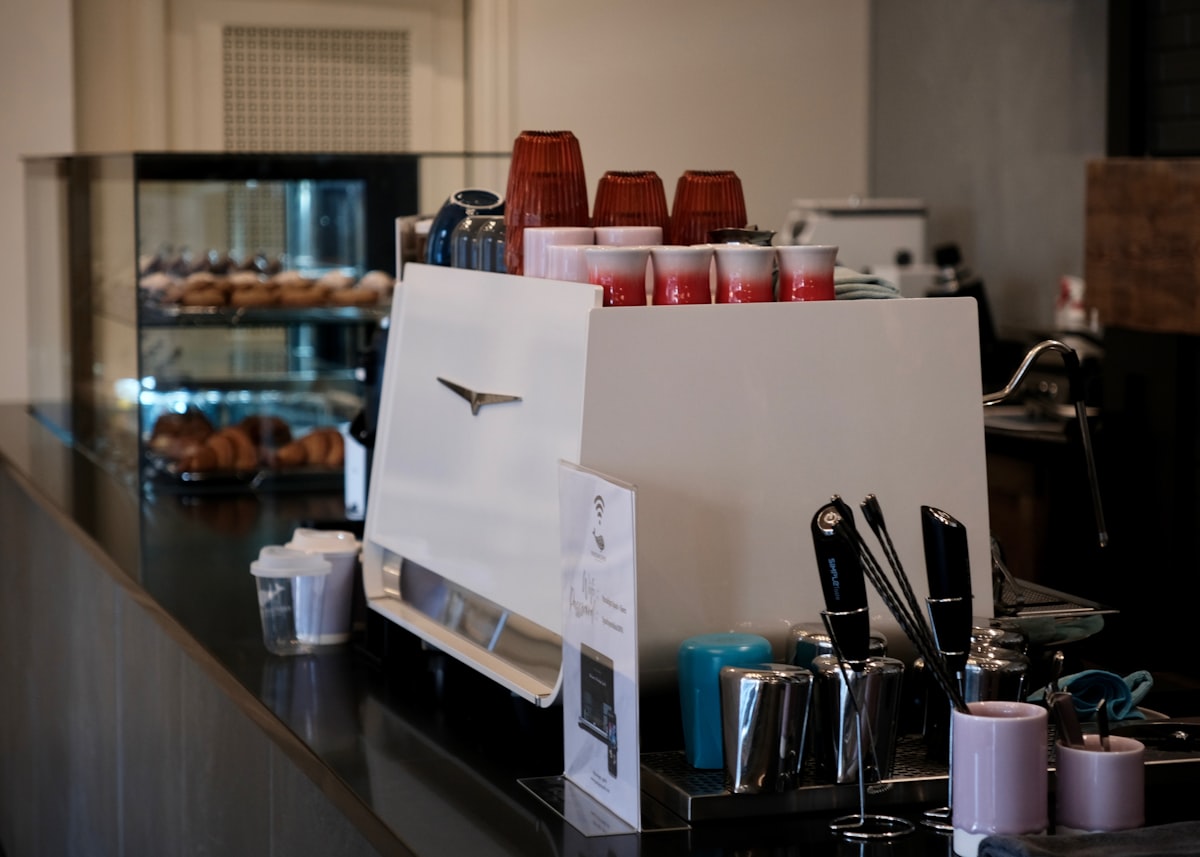
Now it is admitting it. Fresh Cup surveyed cafes rethinking drip and found roasters simply dropping the theater. Great North Coffee in Portland offers no pour-overs at all, batch-brewing on a Fetco because the bars are busy. "We view drip as very foundational," co-founder Jonathan Felix-Lund told them. At Endorffeine in Los Angeles, Jack Benchakul runs espresso and pour-over and skips batch entirely, which is the same argument from the other direction: choose the thing you do well and stop apologizing. Even Starbucks, the platonic second wave, cut thirteen drinks from its menu in March 2025 under a campaign called, without irony, Back to Starbucks.
The tell is who is saying it. Hugh Kelly, a two-time World Barista Championship finalist, told the outlet Coffee Intelligence that dropping jargon no longer impresses anyone; it alienates them. What wins, he said, is reading the room and making a customer feel seen for thirty seconds. His forecast for the smart cafe is almost tender: one house blend, a rotating single origin or two, a short filter list, all of it done consistently. The pendulum swinging back to simple, he said, but backed by far more skill.
Some people want to call this the fourth wave. I am not sure it deserves a wave. The writer Ashley Rodriguez put it well: waves are a marketing term, not a law of nature, and a backlash to pretension is not a whole new era. It is just good manners returning. Specialty already won anyway. Nearly half of American adults drink it daily now, mostly as a latte on the way to work, not as a lecture.
I think of a lesson I got years ago in Jeonju, a Korean food town, when a cook told me my purism about "authentic" food was just a fancier kind of tourism. Coffee is learning the same thing. The origin card and the jasmine notes were never the point. The point was a good cup, handed over warm, by someone glad you came in. Everything else was marketing.