The fare is not the lie. A 10 to 25 euro seat on Ryanair or Wizz Air is often exactly what the screen says. The lie is everything the booking does not show you, priced one line at a time so no single charge looks like the one that did the damage.
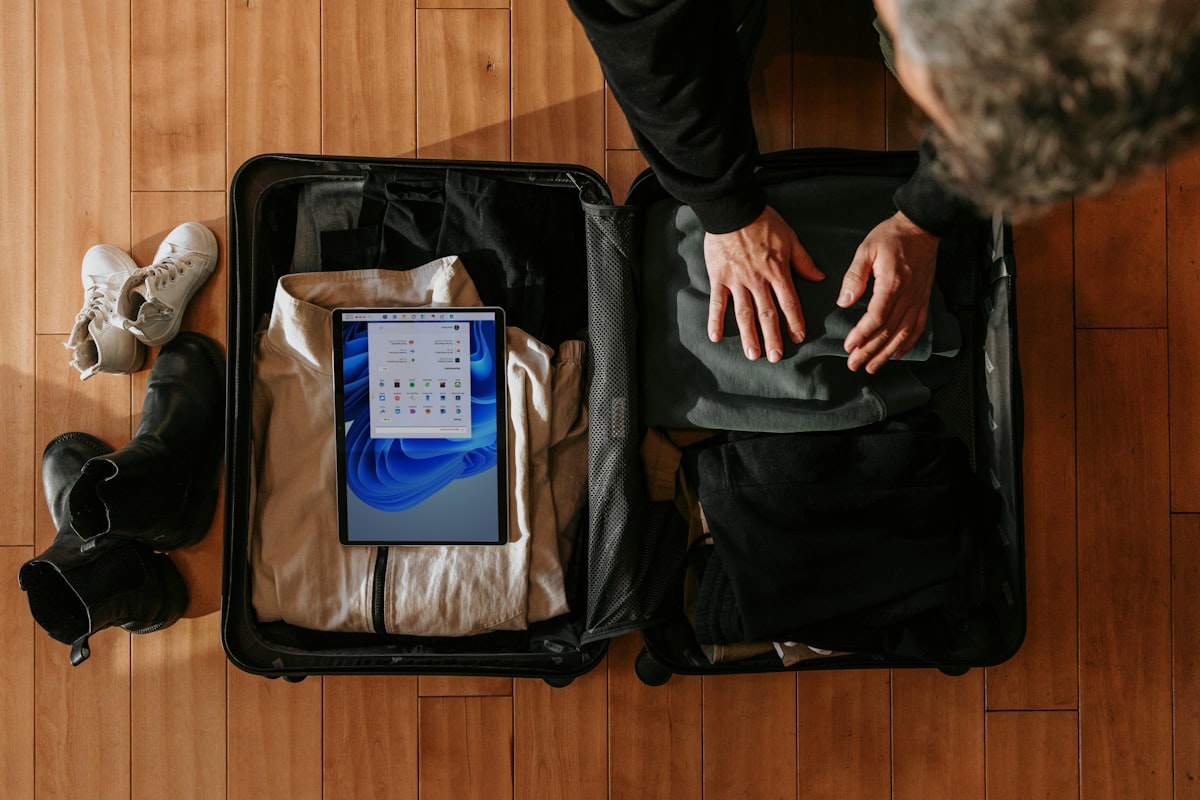
Start with the bag; nobody skips it. On Ryanair, the only free bag is a small one that fits under the seat, 40 by 30 by 20 centimeters, no locker. A wheeled cabin bag rides on Priority, which Ryanair's own fee page puts at 12 to 36 euros at booking, 20 to 60 at the airport. Wizz is the same shape: its trolley add-on runs 10 to 58.80 euros online, with a flat 55 euros at the airport that beats the online price only on a busy route, once the dynamic fare has climbed near that 58.80 ceiling. Add a standard chosen seat, 4.50 to 20 euros on that same Ryanair schedule, and your 10-euro fare is quietly sitting around 45 euros before you have left the city. Every figure is mid-2026 and moves with the route, a range not a receipt.
The costs that flip the total are the ones that never appear on the booking page. Chief among them is the airport. Ryanair calls one of its German bases Frankfurt Hahn; it is about 120 kilometers from Frankfurt, with no train, reached by a Flixbus that costs around 20 euros and takes close to two hours each way. That is the stretch where, on routes that have one, the train already competes on the door-to-door clock. Stansted is tamer, 50 kilometers out with a 45-minute express, but the walk-up fare still runs 20 to 25 pounds, and the Stansted Express sits outside London's flat tap-in fares, so it is a separate ticket on top. Price the total, add the lost time at each end, and the numbers move.
Now the alternative worth pricing. On the city pairs where this matters, easyJet and Jet2 land at the main airport, not a field an hour out, and Jet2 includes a 10kg overhead cabin bag on every flight, the exact bag Ryanair charges Priority for. On a like-for-like trip with a trolley, into a city you can reach by train in 20 minutes, easyJet or Jet2 often wins outright once you stop comparing headline fares and start comparing arrivals.
If you do fly the budget carrier, here are the rules that beat the upsell. Pack to the free under-seat box and you never buy Priority at all. Take the free random seat on anything under two hours; pay only if you must sit together. Add any bag online, never at the airport, where it costs more, Wizz's flat-price quirk aside, and never gamble on the gate, where an oversize cabin bag runs 70 to 75 euros. Check in online to dodge the airport reissue charge. And if you fly Wizz more than a couple of times a year, its roughly 35-euro Discount Club can pay for itself.
One thing the headlines got wrong is worth a line. The deal that Parliament passed on July 7 is not free bags for all. It is a transparency rule: from 2027, airlines and booking sites must show the fare inclusive of a carry-on from the start, though they may still sell a cheaper bagless ticket as an opt-out. Useful, but it makes the fare honest, not free, and it does not stop anyone charging for the overhead trolley.
So the verdict is not that budget flying is a con. Travel with the free bag, take the random seat, land somewhere genuinely near, and it is a real saving. It turns to theater on the wrong route: a 15-euro fare, a 25-euro bag, a 10-euro seat, and a 40-euro round-trip bus is a 90-euro day, and a main-airport carrier like Jet2 would have beaten it door to door. That is also the seam where that same train quietly wins, on time as much as money, before you count the air. So price the whole trip before you price the seat. The fare was never the number that mattered.