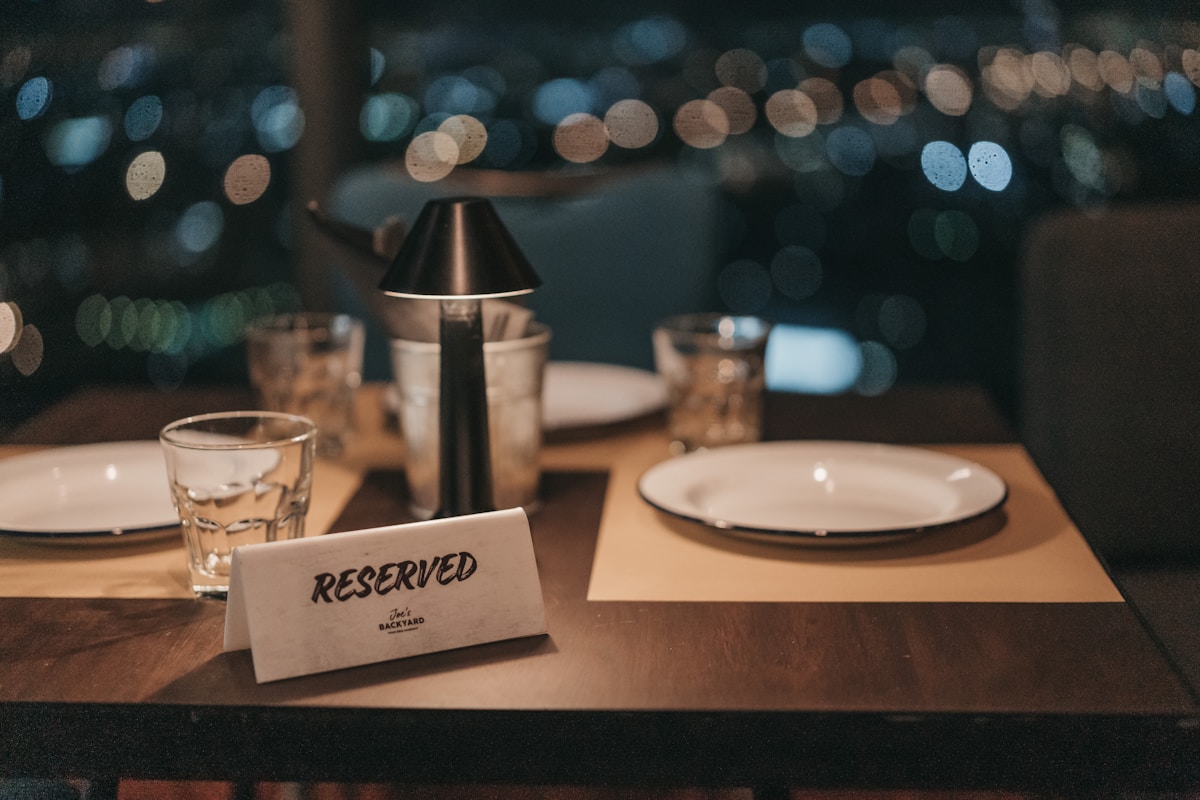
A dog under a restaurant table used to be a small act of trust between an owner and a regular customer, a nod extended table by table with no rule behind it. Hong Kong just skipped that entire phase. After more than thirty years of barring pets from indoor food premises outright, no maitre d' discretion possible, the city ran its first-ever dog-friendly restaurant ballot on June 12, drawing on 2,205 applications, and granted 1,000 permits. The scheme went live on July 9, and more than 940 restaurants opened their doors to dogs on day one, Hong Kong Free Press reported; the number has since drifted up toward 970 as some operators dropped out and others joined the waiting list. Two weeks in, the rules are specific and unforgiving: a HK$140 licensing fee, mandatory signage at the door, and a leash rule with an actual number attached, no more than 1.5 metres, held by an adult or tied to a fixture, with the dog kept off the tables, the food, and the tableware. Thirty years of blanket no went straight to a code, no informal middle stage at all.
What used to be a nod from a friendly owner is becoming a rule with a number in it, and that is the real story, not "dogs are welcome now."
The appetite for the shift splits generationally in a way that should worry anyone treating this as a niche. Lightspeed Commerce's State of Hospitality 2026 report, run across the US, Canada, UK, France, Germany, the Netherlands, and Belgium, found 45 percent of consumers support dogs at restaurants in some form, 16 percent comfortable with them indoors and out, 29 percent happy to have them outside only. Broken down by generation, the gap widens sharply: 64 percent of Gen Z support it against 35 percent of Baby Boomers, nearly double. A restaurant deciding whether to allow dogs is really deciding which generation of its dining room it wants to please.
Where the practice already exists, an etiquette code has quietly filled in behind it, because somebody has to answer for the dog at the next table. Hepper's rundown of dog-friendly dining rules reads like a manners guide for anyone who has never had to think about it: a short, fixed leash, never a retractable one. Chairs and benches are off the table entirely, quite literally; the dog stays on the floor. And the rule that matters most to everyone who is not its owner: never let it approach another table, diner, or dog without asking first, and choose a seat away from families with children, since a dog draws attention whether it wants to or not. Feed and walk it before arriving, bring your own water bowl, skip the busiest service hours, and leave the moment it gets restless. None of that is about whether dogs belong in restaurants. It is about protecting the diner who did not sign up to share the evening with someone else's pet, which is really the whole argument for etiquette anywhere: a rule is a floor under the person with the least say in the room, not a leash on the one who thinks they have the most.
Offices are following the same arc, from favor to policy, a step behind. BISSELL's Grand Rapids headquarters went fully dog-friendly campus-wide, with an in-house "Pet Spot" for kennels, play, and baths. Even before that campus-wide expansion, Becky Neibarger, BISSELL's associate manager of public relations and social media, told iHeartDogs that associates who bring their dogs in are "productive, happy, and appreciate the opportunity to bring their dogs to work," which, for a company that makes pet-cleaning products, doubles nicely as unpaid product testing. Ben & Jerry's Vermont headquarters has gone further, turning its dog-friendly culture into what Tailstalks' 2026 HR guide to pet-friendly workplace policy calls a documented pet code of conduct, rules on paper rather than vibes at the door, the same move Hong Kong just made with its restaurants. Procore, Amazon, Etsy, and Trupanion get cited in the same guide for versions of the same shift: leash and zone rules, day-one registration, allergy accommodation, insurance discounts.
None of this means every table or every desk needs a dog under it. It means the places that already have one owe everyone else in the room, human and otherwise, an actual rule instead of an assumption. Keep the leash short, keep the dog on the floor, ask before you let it say hello, and put the code in writing before the first complaint arrives. That is not bureaucracy creeping into something sweet. It is what happens whenever a favor gets popular enough to need one.