I told you to skip smart rings once. In 2021 I called them gadgets for the worried well, anxiety dressed up as data. Then I wore one through a bad year of sleep and it flagged a rising temperature before I felt the cold that followed, and I had to write the correction. So take this as a convert's caution, not a skeptic's: the ring is genuinely good, which is exactly why to be careful with it.
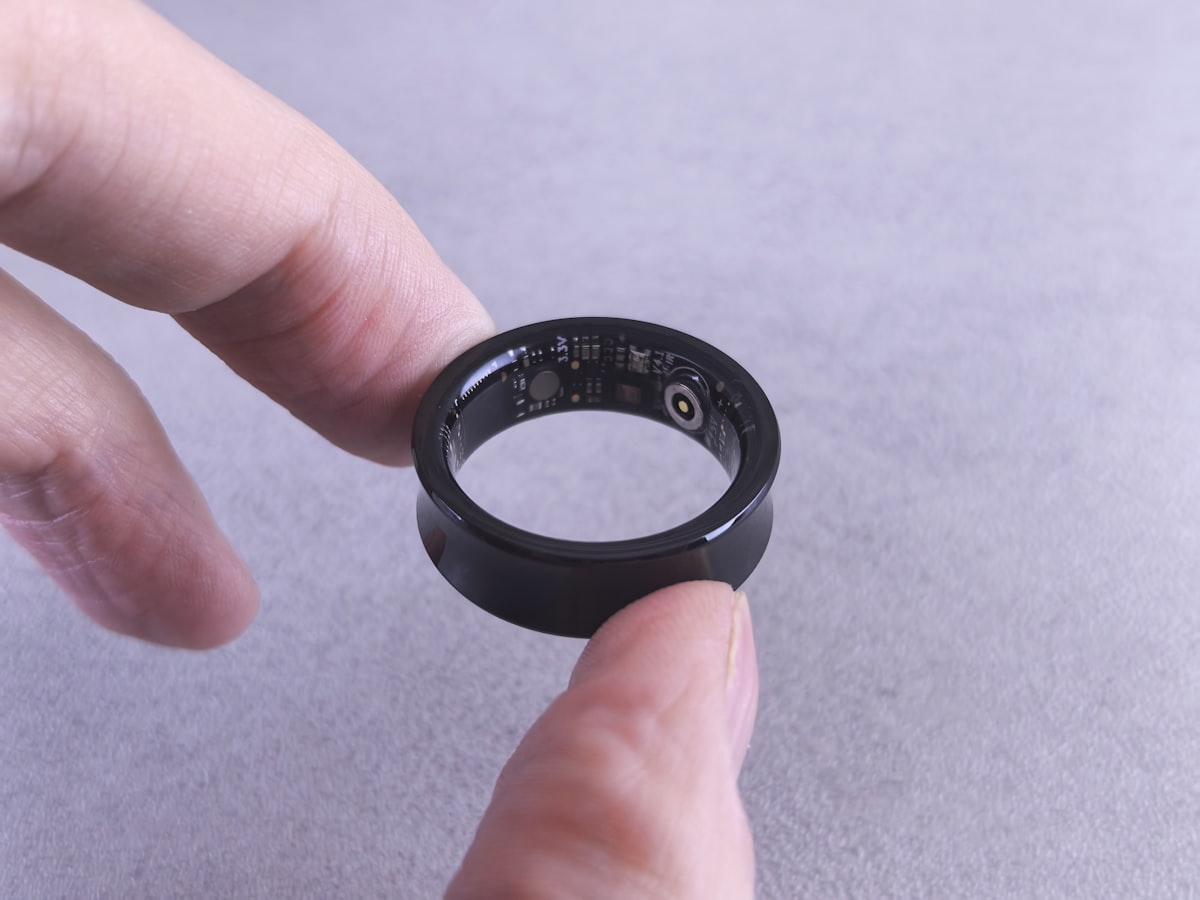
The pitch is disappearance. No screen, no wrist bulk, no glowing rectangle on the nightstand. It tracks heart rate, sleep, recovery, and skin temperature around the clock, and after a day you forget it is there. That discretion is the whole product, and it is why the trade-offs are easy to miss. You do not check what you cannot feel.
The category grew up fast. Omdia counted shipments rising from about 850,000 rings in 2023 to 1.8 million in 2024, with 1.6 million in the first half of 2025 alone and a full year forecast just over 4 million. Small numbers against the smartwatch, but steep, and by one industry tally Oura took roughly 74 percent of those shipments in the first half, with Samsung, Ultrahuman, and RingConn splitting the rest. Those are estimates, not audited accounts, but the shape holds: this is Oura's market, and everyone else argues about the terms.
Start with the honest question: accuracy. Here rings earn their reputation, with one caveat. A 2024 study out of Brigham and Women's Hospital, published in Sensors, put the Oura Ring against Fitbit, the Apple Watch, and clinical polysomnography, and found the ring most accurate of the three wearables at four-stage sleep classification, around 79 percent agreement with the lab. A University of Tokyo study in Sleep Medicine, running 96 people across more than 400,000 thirty-second scoring windows, found the ring reads sleep well but is shakier at catching true wakefulness (about 94 percent sensitivity, only around 73 percent specificity). Two things to keep in mind. The Brigham study's lead author is an Oura medical advisor, and a 2026 systematic review found that 89 percent of smart-ring studies rely on the maker's proprietary algorithms, which makes independent verification hard.
The finger genuinely helps. That review found finger sensors give clean, readable pulse waveforms about 95 percent of the time against 67 to 86 percent at the wrist, because the finger is dense with vessels and short on bone.
Now the caveat that matters if you lift or run: that resting accuracy does not survive hard motion. Optical sensors read light bouncing off blood, and a bar in the hand or a sprint jolting the finger scrambles the signal. For steady-state and sleep the ring rivals a chest strap; for weightlifting or intervals, the strap wins, and no ring has closed that gap. Buy the ring for the other twenty-three hours.
Two more numbers deserve a plain label. Blood oxygen from a ring lands within roughly 2 to 4 percent of a clinical oximeter at rest, fine for a trend, not for medicine, especially below 90 percent or in motion. And the illness-prediction story, the one that converted me, traces to a real study: UCSF's TemPredict, whose early analysis of the first 50 COVID cases found the ring's temperature data flagged pre-symptomatic fever signs in about 76 percent of people. That is a small, proof-of-concept sample published in Nature Scientific Reports, not a guarantee your ring will catch your next cold. It caught mine. It may not catch yours.
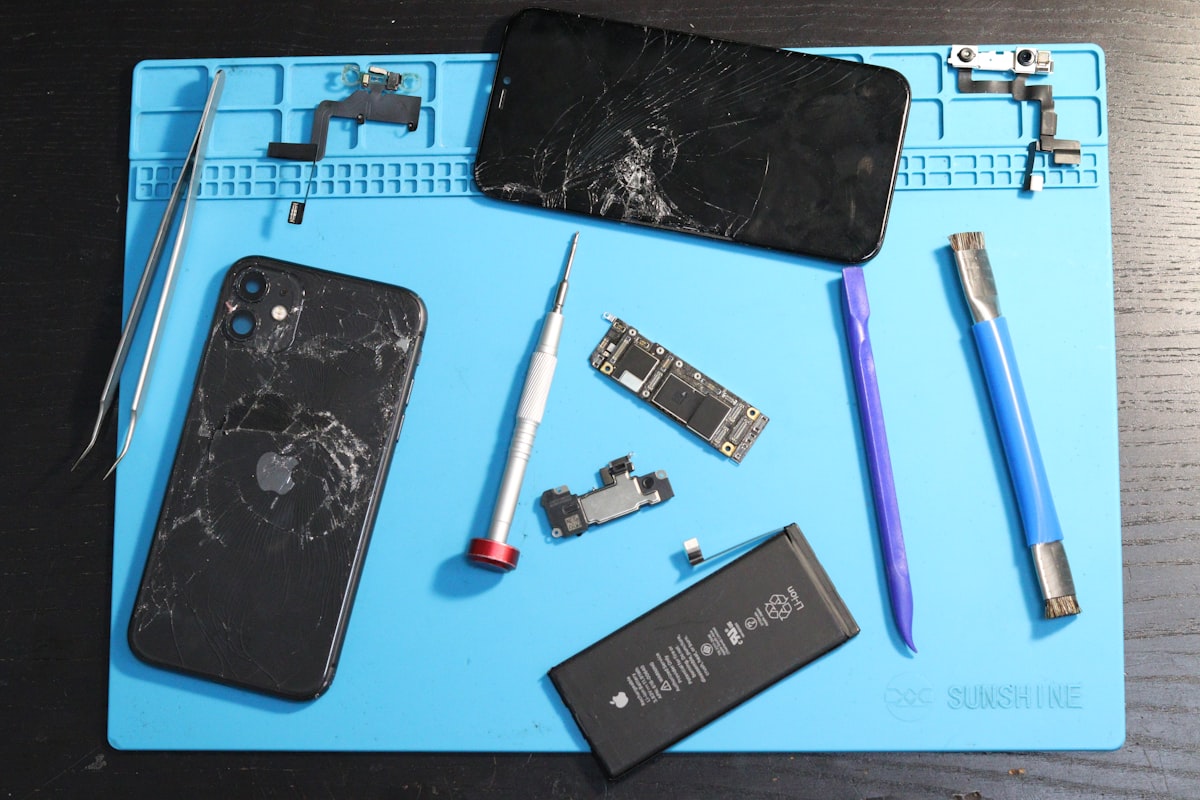
Then there is what it costs over years, my three-year question: what you will have paid, and whether it still works, by the time you replace it. Oura's ring runs $349 to $499 depending on finish, and then the app is a subscription: $5.99 a month, or $69.99 a year. Without it you get three daily scores and nothing else. Chief executive Tom Hale told Fortune the fee funds the software updates that keep the ring useful. Fair enough. Three years is the ring plus roughly $216 in fees, around $565 at the base finish, for hardware you will likely replace by then anyway: iFixit's teardown found the sealed ring cannot be opened without destroying it, and Oura classifies the battery as a consumable it will not cover. Samsung's Galaxy Ring answers this by charging once, around $300 to $350, no subscription, though its best features want a Samsung phone. RingConn skips the fee too, claiming up to twelve days of battery against the five to eight Oura rates for its own.
That business model is now being defended in court. Oura won an International Trade Commission ruling in September 2025 against Ultrahuman and RingConn, and got the infringing rings barred from import. RingConn settled and licensed Oura's patents. Ultrahuman refused, appealed, and was denied a stay by both the ITC and the Federal Circuit. In November 2025 Oura opened a new front, filing an ITC action against Samsung, Reebok, Zepp's Amazfit, and others, plus a Texas suit against Samsung alone, asserting patents on how the battery and sensors sit between the ring's layers. Samsung, whose own preemptive suit was dismissed, is countersuing and calling the patents too broad. None of that is settled. What is settled, reading the record plainly, is the pattern: the market leader is using patents to make rivals pay royalties or leave.
So, the verdict. If you want quiet, accurate sleep and recovery data and will actually look at it, the ring is the best-feeling way to get it, and Oura is the most polished. Price in three years of fees, or buy Samsung or RingConn to skip them. Do not buy it as a gym heart-rate monitor, and do not treat its oxygen or temperature readings as medicine. And know the one thing the marketing will never print on the box: that sealed-in battery means the ring you love this year is landfill in three, and the next thing they sell you is the same ring again.