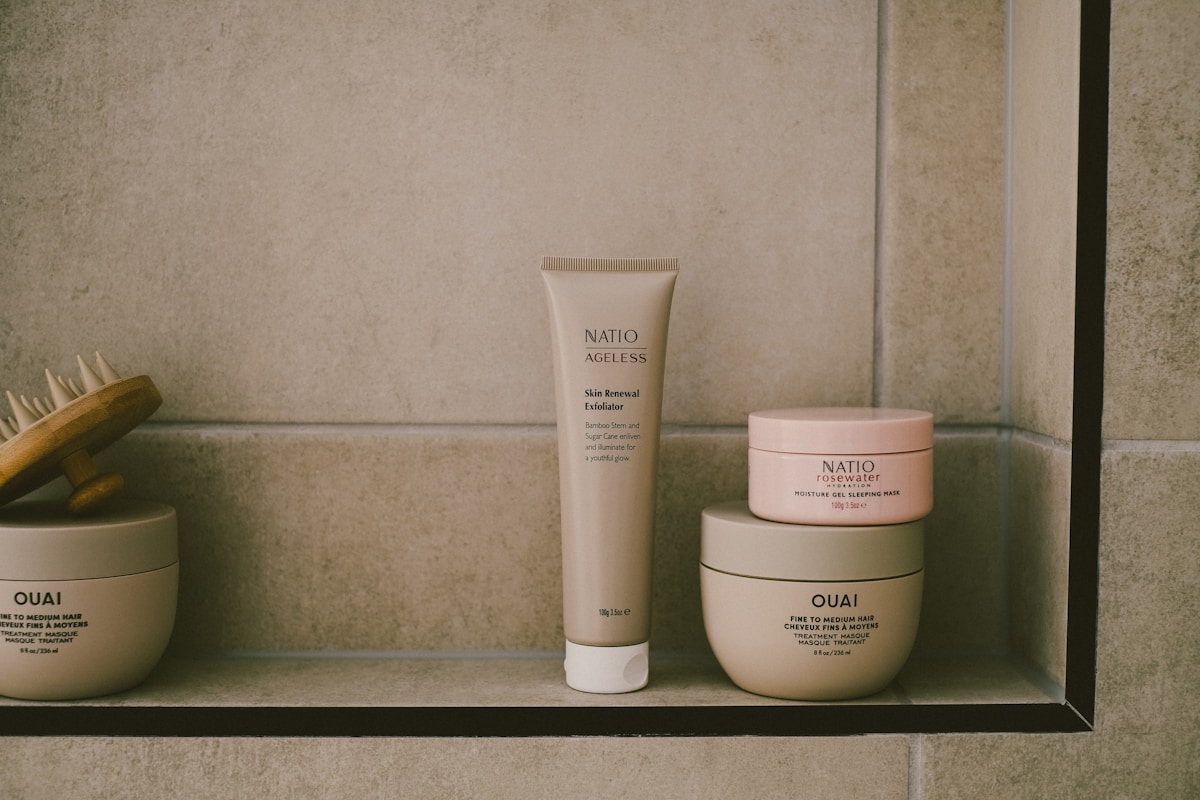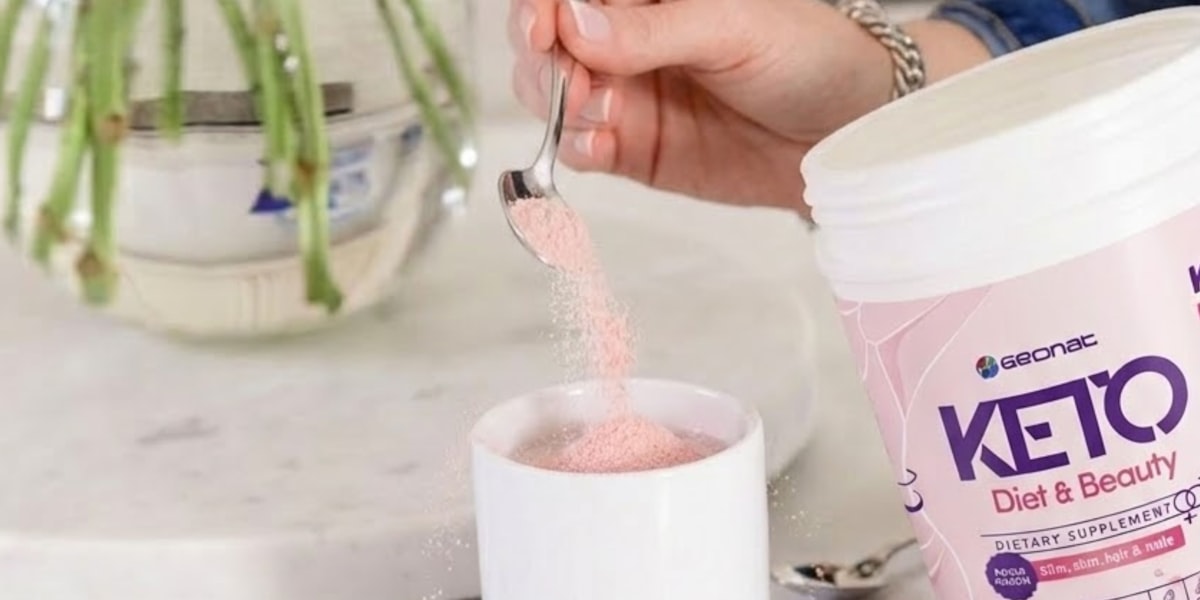
Anti-aging is finished, the 2026 trend decks say, and slow aging has taken its place. The word did leave, but it left almost a decade ago. In its September 2017 issue, out that August, Allure's editor Michelle Lee wrote an editor's letter retiring the term, because using it means "we're subtly reinforcing the message that aging is a condition we need to battle." AARP dropped the phrase from its own publications days later, on August 18. What 2026 is selling is not the end of the term. It is a newer one, slow aging, printed on the same shelf.
I read a stack of trend reports so you do not have to, and the pattern holds: reactive "anti-aging" becomes proactive "prejuvenation," wrinkles become "biological age," skin gets a "longevity" routine. This is vocabulary borrowed from the labs that study cellular aging, not a set of new results from them. Biological age is a real research idea, not a measurement your serum takes. The useful question is the one the marketing skips: did anything in the bottle change, or only the label on it?
One clue that the industry may be answering the wrong question comes from Barefaced, a beauty newsletter that, with SIMPLYPUT Creative, read 4,000-plus Reddit comments from millennials talking about skincare. The topic they raised most was hormonal and life changes (207 mentions), just ahead of anti-aging and prevention (185). Take that with caution: it is one company's unpublished count, Reddit is not a representative room, and 207 to 185 is a thin margin. But the direction is worth sitting with. People are asking about perimenopause, skin after pregnancy, and what a new medication did to their face. The shelf is still mostly selling them wrinkles. That is the real gap: not that anti-aging is dead, but that the questions people bring are not the ones the category is built to answer.
The same logic is now eating hair care. The scalp is skin, every deck agrees, so scalp care gets folded into skincare, and the number attached to it is enormous: about $110 billion. That figure comes from one market-research firm, Deep Market Insights, and its own list of leading players includes L'Oreal, Unilever, Procter & Gamble, and Johnson & Johnson, which is to say the entire hair-care industry. Firms that size scalp-specific products, the actual serums and leave-ons, land several times lower: Fact.MR puts scalp health near $10 billion, Coherent Market Insights closer to $15 billion. The $110 billion "scalp is skincare" market is mostly the hair-care market wearing a lab coat.
The boldest promise in the category comes from the trend writers, not a lab. Consumers, Barefaced reports, "increasingly expect their topical products to deliver results that rival injectable treatments." The ingredient carrying that expectation is PDRN, a fragment of salmon DNA whose search interest jumped about 1,400 percent between 2024 and 2025, per Future Market Insights; by Barefaced's count the Korean brand Medicube now builds roughly 30 percent of its range around it. Here is what the serum inherits and the evidence does not. PDRN's repair results are documented for the injected form, delivered into the deeper skin by a needle in a clinic. A topical version may hydrate and help support the barrier, which is worth something, but "rivals injectables" is doing a lot of work for a molecule studied mostly as an injectable. In the United States a cream can carry that line precisely because it makes no medical claim and gets no review before sale.
None of this makes slow aging a con. Sunscreen, a working barrier, sleep, and not overdoing your actives really are close to the whole preventive program, and if a gentler word gets more people to wear SPF, good. But a rebrand is not a reformulation. My test has not changed with the vocabulary: turn the box over, read the ingredient list from the bottom up, and ask at what percentage the active you are paying for actually shows up. Slow aging, skin longevity, prejuvenation. The most honest number on the box is still the net weight.