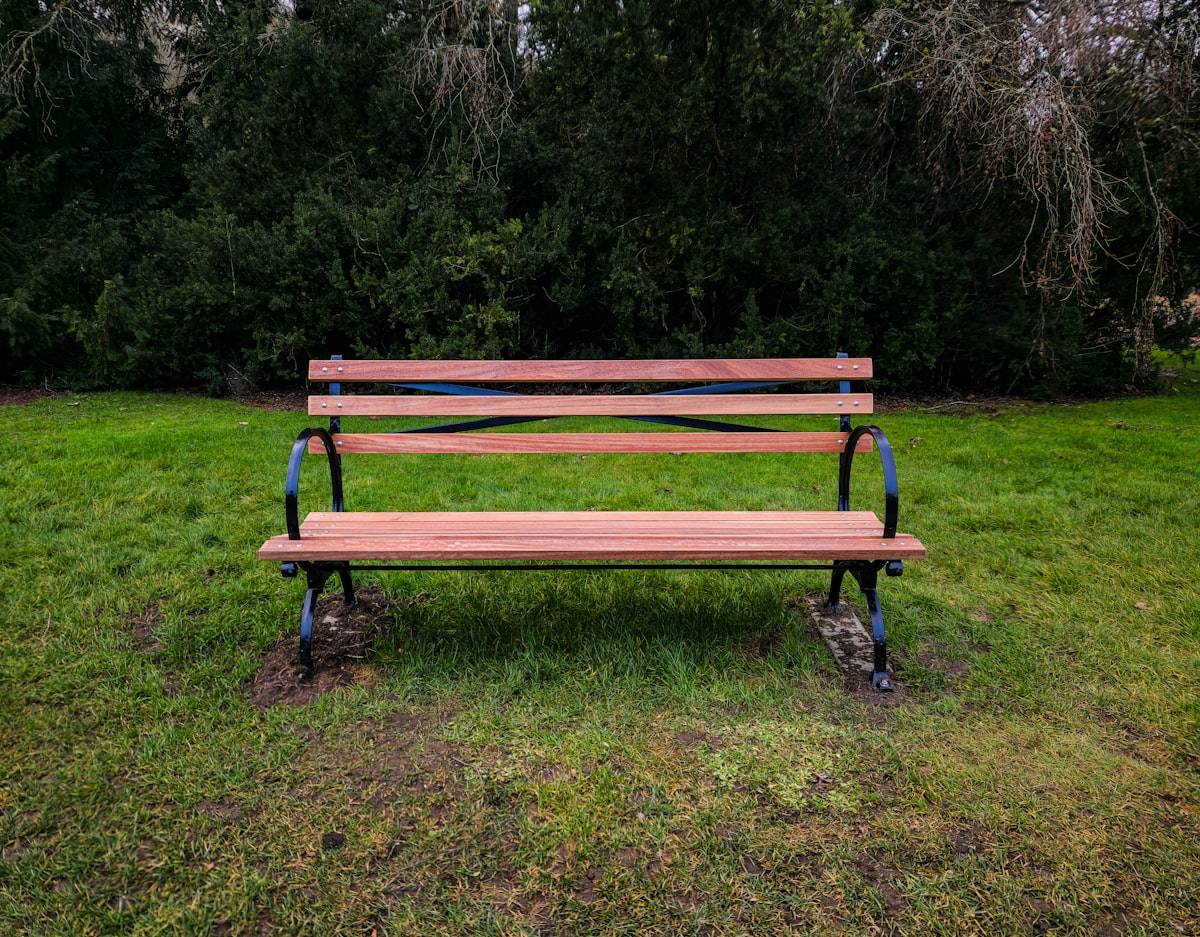
A man on the Spanish Steps unwrapped a panino, settled onto the travertine as if it were his own back garden, and got about two bites in before a whistle found him. Reader, I did not feel for him. I felt for the steps, all 135 of them, restored in 2016 for around 1.5 million euros with Bulgari footing the bill, and now, by a 2019 city ordinance, no place to sit, eat, or write.
Italy has spent the last several years doing something the old conduct books never dared: putting a price on bad manners. Sitting or picnicking on the Spanish Steps starts at 250 euros and rises to 400 if you have managed to stain or damage them, according to CNN, which reported the 2019 ordinance when it came in. The same rulebook reaches the Trevi Fountain and other monuments. This is etiquette with an invoice attached, and as the peak-season crowds thin into September it is worth knowing which lines actually cost money.
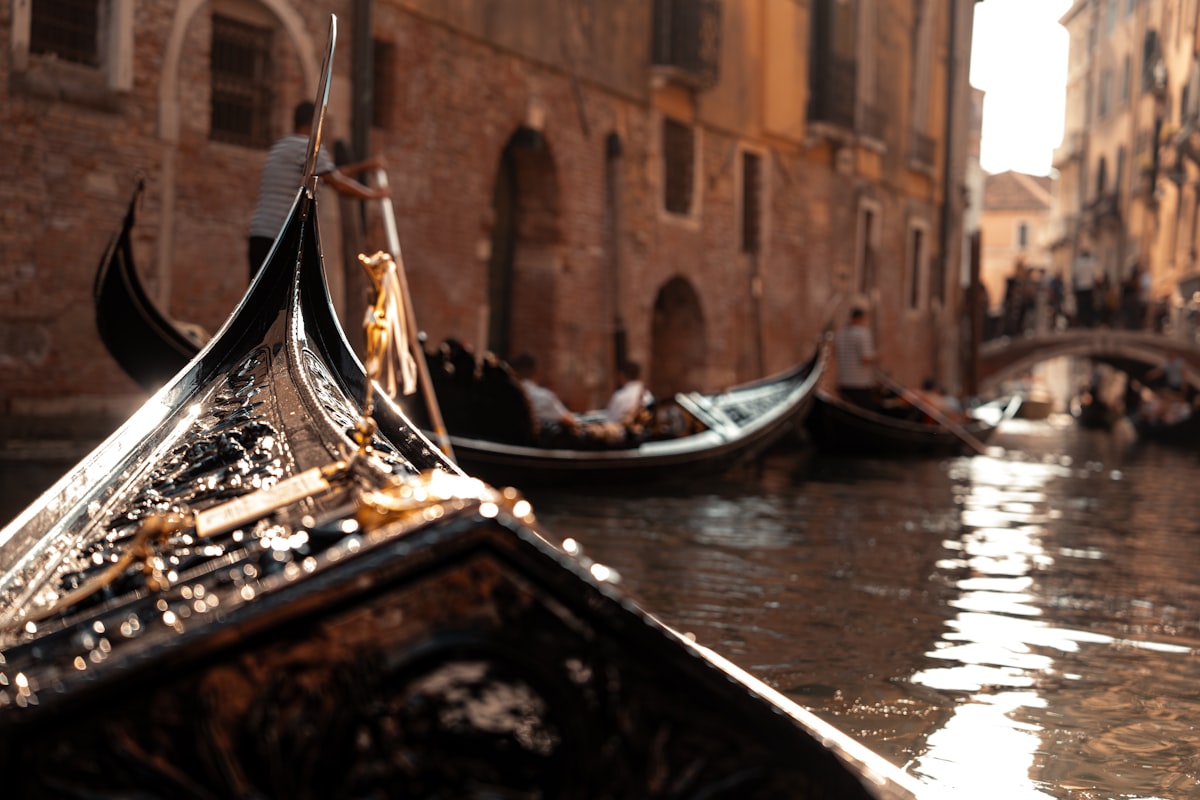
Venice has been the most systematic about it. Its 2019 Police and Urban Security Regulations ran to 82 articles and replaced a rulebook dating to 1986, as Finestre sull'Arte reported, setting fines of up to 500 euros for swimming in the canals, wandering about shirtless, or lounging on the stone steps of a bridge. The rules are not decorative. CNN recorded the case of a British man and his partner who, in September 2025, took a dip near the Accademia bridge, were reported by gondoliers, and left the city the same day they arrived, 450 euros each the poorer and expelled for 48 hours. They were, the local police told CNN, one of 1,136 expulsion orders the city had issued that year.
The newest receipt is at the Trevi Fountain, and it is worth stating precisely, because the coverage has muddled it. As of February 2, 2026, reaching the fountain's edge costs a 2-euro ticket, while the view from the piazza above stays free. That much CNN has confirmed; residents, children under five, and disabled visitors with their caregivers go free besides. A queuing system holds the basin to 400 people at a time, carried over from a year-long experiment in staggering the crowd, and the city projects the tickets will raise somewhere between 6.5 and 20 million euros a year, which tells you the fee is doing two jobs at once: thinning the crush, and quietly monetizing it. The 500-euro fine you may have seen attached to all this is a separate, older matter. Wading into a Roman fountain has drawn a penalty for years under its own ordinance, and in February 2025 a tourist who dived into the Trevi was fined 500 euros and banned for life. The ticket is the novelty; the fine for bathing was already waiting.
Then there is Cinque Terre, where the story gets slippery in more than one sense. The park does ban flip-flops, backless sandals, and smooth soles on its marked trails, and has since 2019; its own Hiker's Handbook requires closed, anti-slip, ankle-covering shoes and points to Article 30 of Italy's protected-areas law for the penalty. What the park's own rulebook does not print is the figure everyone quotes. The eye-watering 2,500-euro fine that turns up in headline after headline is a media number, Afar among the outlets carrying it, and not a sum the park itself posts anywhere. I would treat it as a warning dressed up as a number: wear proper shoes on a mountain path, certainly, but do not take the figure on the guidebook's word.
Here is the rule to keep and the one to bin. Keep the spirit of the thing: a canal is not a swimming pool, a monument is not a bench, a coastal trail is not a beach, and none of that ever needed a fine to be true. Bin the notion that a receipt makes you a better guest. The point of manners was never the penalty. It was noticing that the city belongs to someone else, and behaving as though you had been let in.