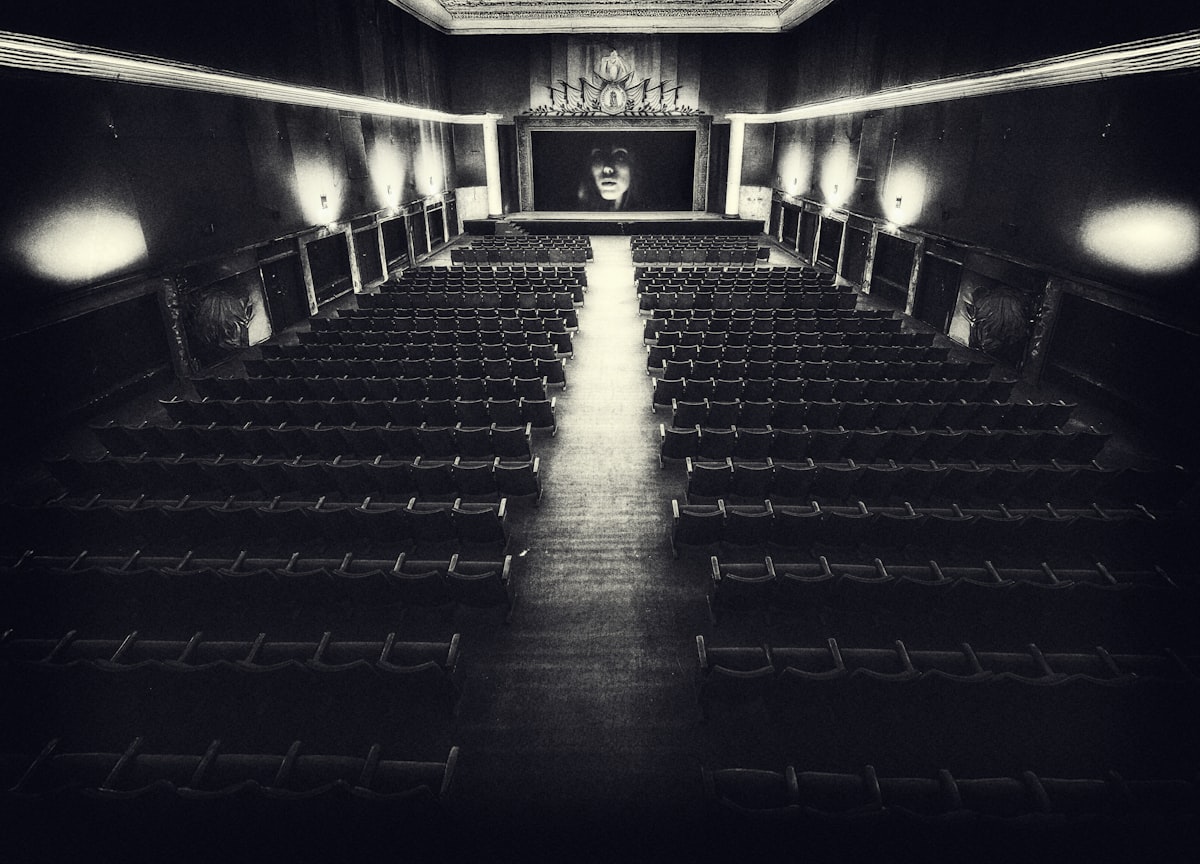
I saw The Odyssey the way Christopher Nolan wants you to see it: in a real IMAX theater, on 70mm film, with a screen the size of a building and a stranger's popcorn in my peripheral vision. You cannot do that on your couch. That is the entire point, and this month it turned into the biggest opening weekend of Nolan's career.
The film opened July 17 to 124.5 million dollars in North America and 264.1 million dollars worldwide, from 3,900 domestic theaters. That worldwide number is a personal best for Nolan, edging past The Dark Knight Rises and its 249 million from 2012. It landed an A CinemaScore, critics gave it 95 percent on Rotten Tomatoes, and it is the biggest R-rated debut of the year.
Here is the figure I keep coming back to. Premium large formats, the IMAX and 70mm screens most people never bother to seek out, were 53 percent of the domestic gross. IMAX alone did 29.6 million dollars in North America, about a quarter of the total. Half the money came from the hardest tickets to get, on a 250-million-dollar film starring Matt Damon as Odysseus with Anne Hathaway, Tom Holland, and Zendaya. People did not settle for the nearest screen. They drove to the good one.
Now the part that makes this a bet and not just a win. Universal agreed to a minimum 100-day theatrical window before any digital release. That is the contractual floor, and on its own it would keep the film out of living rooms until late October. In practice it will likely run longer: his last film, Oppenheimer, sat in theaters exactly 123 days before you could rent it at home, which is why nobody expects The Odyssey to stream before November. Either way, the number that matters is the one it is measured against. Most Universal films reach premium video on demand after about five weekends, roughly 31 days. Nolan roughly tripled that.
Every instinct in the industry right now runs the other way. Studios chase day-and-date releases, in theaters and streaming at once, or push a film to the couch within weeks, terrified you will forget it exists if you cannot summon it by Friday. Nolan did the opposite on purpose. He made scarcity the product. You want to see it, you come to the theater, or you wait until fall. The gamble is that wanting a thing you cannot instantly have is exactly what makes people show up, tell their friends, and go again. A 97 percent audience score and a run that is still filling premium screens suggest it is working.
I want to be honest about the catch, because rooting for the theater is not the same as pretending. Nolan can dictate a 100-day window because he is Christopher Nolan, one of maybe two directors alive, alongside James Cameron, with that kind of leverage. A first-timer asking Universal to hold a movie off streaming for three months gets laughed out of the room. So this is not a template the whole industry can copy. It is proof that the theatrical event, the communal, oversized, drive-across-town kind, still has enormous value when someone has earned the right to protect it.
Jim Orr, Universal's domestic distribution chief, told the Hollywood Reporter that Nolan "continues to create films that are immersive theatrical events." The scarcity is not a marketing trick bolted onto the movie. It is the movie insisting on being seen as one. Go find the big screen while you still have to.