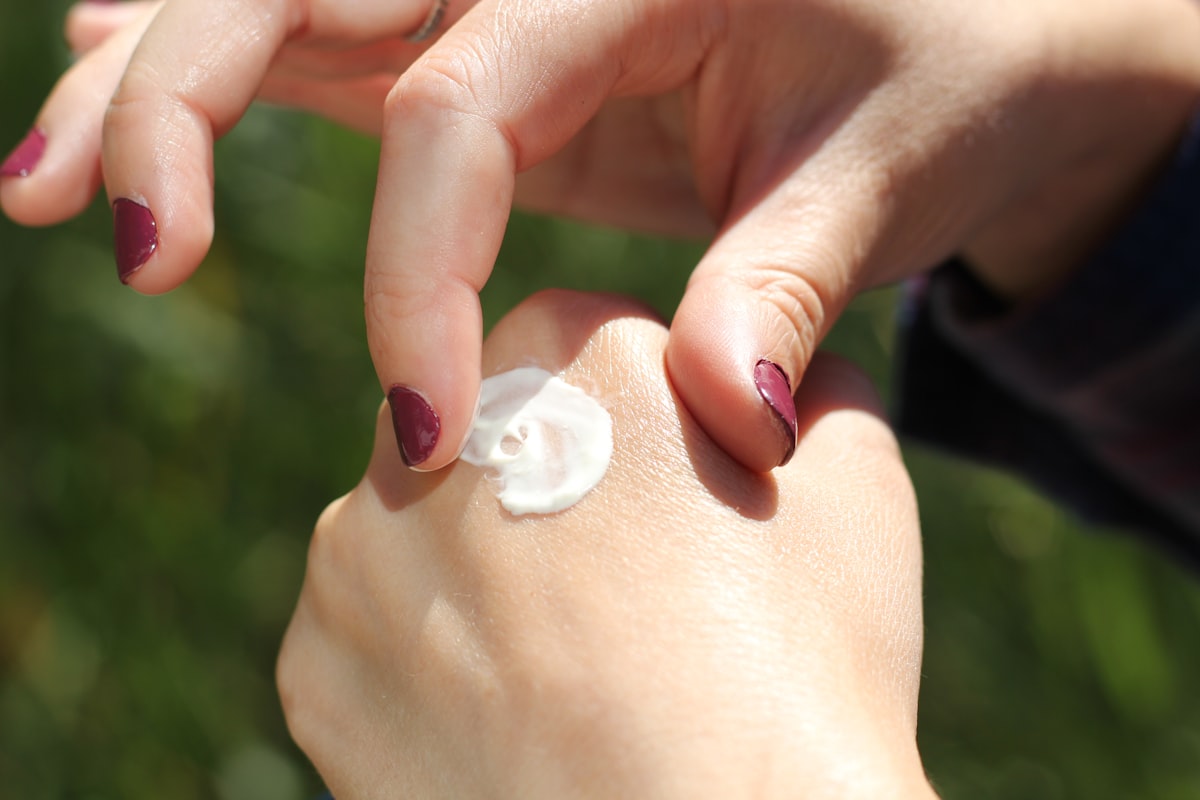
The pitch for men's skincare rests on one claim: that men's skin is different enough to need its own bottle. It is not. Sebum runs a little higher, the dermis is a little thicker on average, and none of it is enough to justify a separate molecule. What you are buying when the label says "for men" is a gray tube and a sterner font, and the men driving the boom are the least interested in that label.
The demand is real, and that is the interesting part. Mintel's 2024 US men's grooming report put facial skincare use among Gen Z men, ages 18 to 27, at 68 percent, up from 42 percent in 2022. The same report had all US men at 52 percent, up from 31. A generation that was handed a bar of soap and told to stop complaining now buys niacinamide, a standard skin-repair active.
Follow the money to who is buying in. NielsenIQ put US men's grooming at $7.1 billion in 2025, up 6.9 percent, with online sales up 28 percent. In June 2025 Unilever, which already owns Axe and Dove, bought the direct-to-consumer soap brand Dr. Squatch. Unilever did not disclose terms, and the Financial Times reported the price at around $1.5 billion. Dwayne Johnson's Papatui reached Target in 2024 at $8 to $13 a product, and the ingredient lists are fine: ceramides, niacinamide, salicylic acid, the same workhorses on everyone else's shelf. That is the tell. When the chemistry is identical, the celebrity and the packaging are the product.
Which brings up the split I keep watching. There is "men's makeup," War Paint and Stryx, sold in tool-like matte packaging with copy about coverage built for men's skin, and there is makeup, which Gen Z buys as Fenty or e.l.f. without needing it gendered first. In a separate survey with a slightly wider age band, Mintel found 72 percent of US men aged 18 to 34 use makeup in some form, mostly the skin-mimicking kind: concealer, powder, a little bronzer. The younger the buyer, the less the pronoun matters. The gray tube is a millennial anxiety being sold to a generation that already got over it.
The engine underneath is looksmaxxing, the TikTok self-optimization culture that reframes a moisturizer as maintenance, not vanity. I have no clean number for how much of the spend it drives, and anyone who hands you one is guessing. But it explains where men actually buy. The agency Front Row reported US men put 54 percent of their grooming budget through Amazon and 14 percent through specialty stores like Sephora. Take that with the usual salt, Front Row sells Amazon strategy for a living, but the direction is right. Men do not want the store with the lighting and the associate. They want the box on the porch.
None of this is a scandal. The formulas mostly work, and $10 for a decent salicylic cleanser at Target beats most of what the counter sells. Just read the ingredient list, not the pronoun. Ask what is in it and at what percent. The most honest word on a men's grooming box is the same as on everyone else's: the net weight.