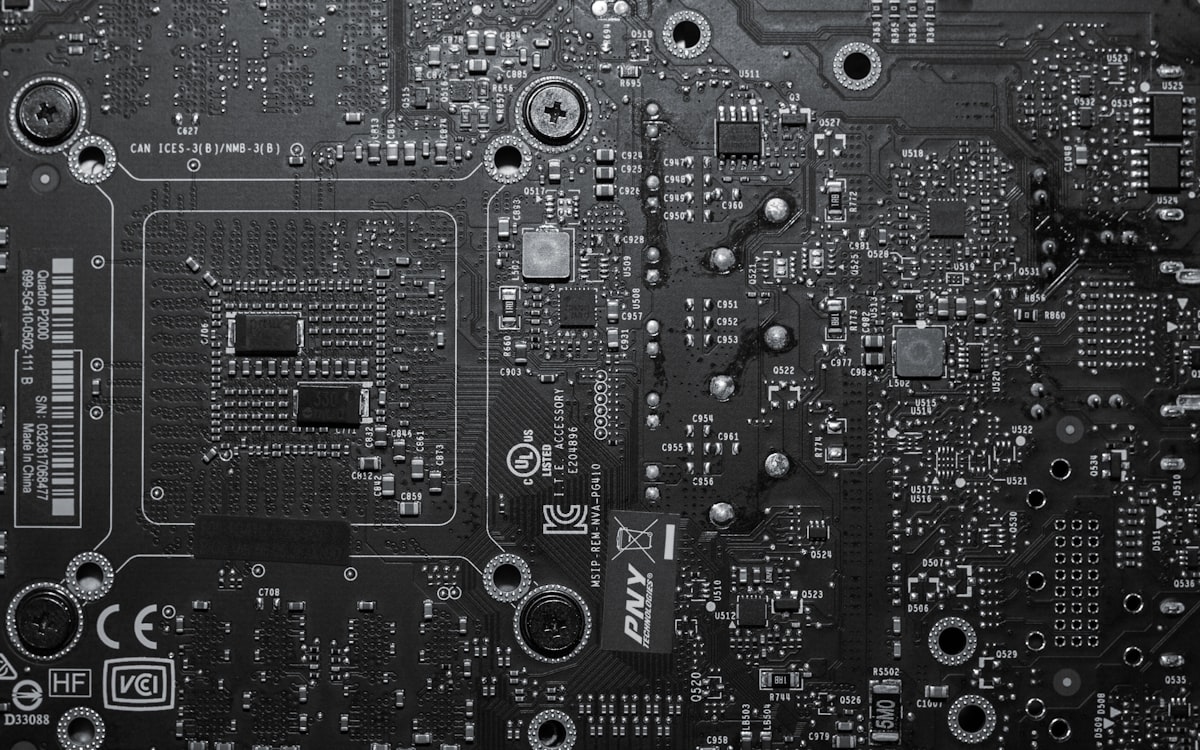
The graphics card I use to edit my film scans is six years old, and until this month I had no plan to replace it. Then I priced its modern equivalent. Nvidia's RTX 5090, the current flagship, launched in January 2025 at $1,999. This month it lists on Amazon for about $4,329, and some versions from the board partners that assemble the cards run past $5,000. That is more than double the launch price in 18 months, on a part that has not changed.
The used-car line writes itself, and I want to be honest about it. The average used car in the United States now runs around $27,000 (Cox Automotive, June), so a $5,000 graphics card is not that car. But it is a real, running, registrable used car at the cheap end of the lot, the kind you actually drive off in. A single component inside your computer now costs what a serviceable second car costs. That is the part worth sitting with.
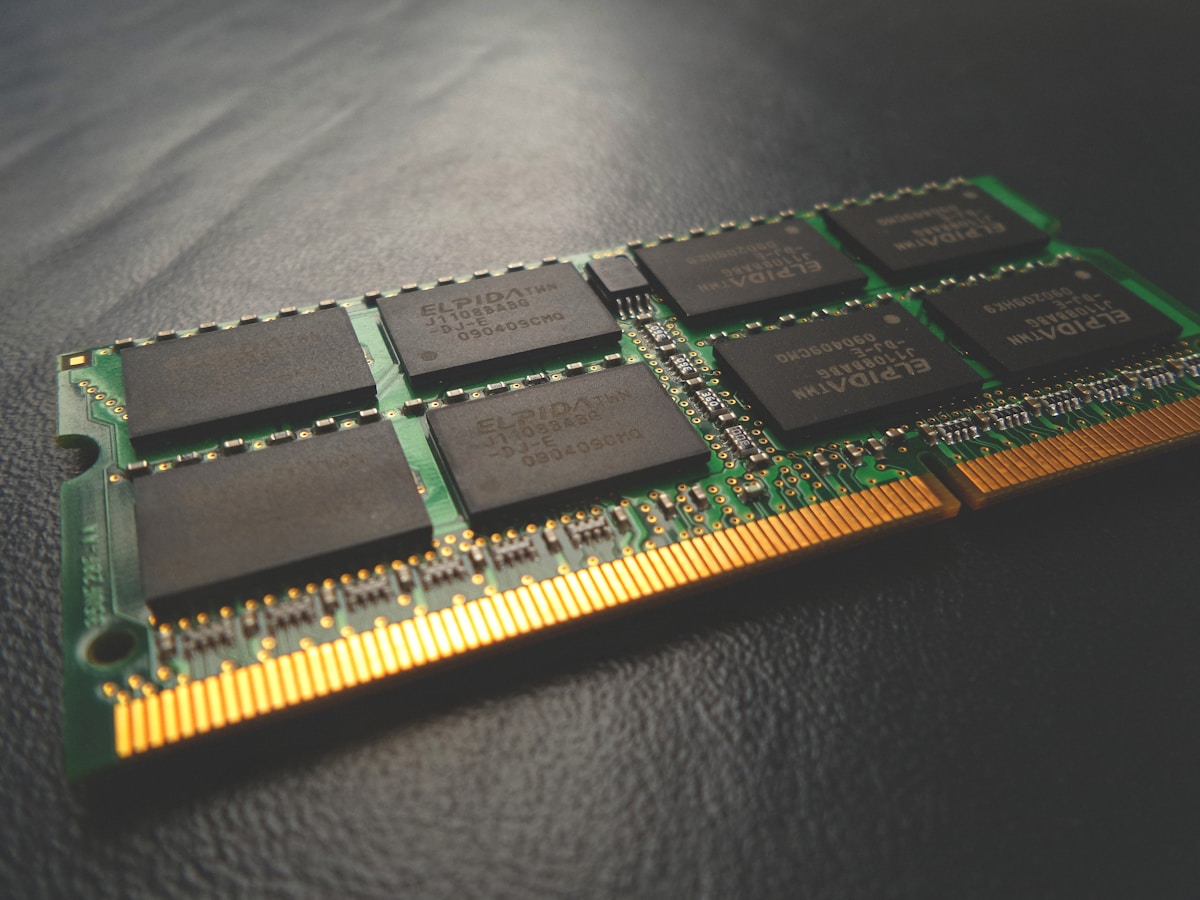
Here is why, and it has almost nothing to do with gamers. The memory on the card, not the chip that does the computing, is now the expensive part. The RTX 5090 carries 32GB of a fast memory called GDDR7, and the research firm TrendForce estimates that memory alone accounts for more than 80 percent of what a high-end card costs to build. The price of that memory has gone vertical because the companies building AI data centers are buying every chip the factories can make. Foundries earn more selling memory to those customers, so they have starved the gaming supply. Nvidia has reportedly passed a $300 wholesale increase to the board partners, and its only on-record statement is that demand for its gaming GPUs is strong and memory supply is constrained.
The other half of the story is what is not coming. The Information first reported, and the PC press has since reported the same, that 2026 is the first year in roughly three decades without a new Nvidia gaming GPU generation. The refresh that would have added more memory to mid-range cards was reportedly shelved in December 2025, because it needed the exact memory chips the shortage made scarce. Nvidia has cut production of the current cards by a reported 20 to 40 percent and pointed the freed-up capacity at AI. Gaming was about 35 percent of the company's revenue in 2022 and roughly 8 percent last year, so you can see where its attention went.
So the two-year question, the one I ask of anything before I tell you to buy it: what are you actually paying for at $4,329? You are paying a premium for timing. This is a memory bubble, and analysts expect no real relief before 2028, with the memory makers' AI-grade supply already sold out through 2026. You cannot wait it out with an upgrade, either, because a graphics card's memory is soldered on. You buy the card you are stuck with, at the price the AI industry set for it.
My advice is the boring kind. If your current card still runs the games you play, keep it. If it does not, buy the cheapest last-generation card that clears your bar, used if you trust the seller, and skip the flagship. The one thing not worth doing is paying used-car money for a part whose price has nothing to do with you.