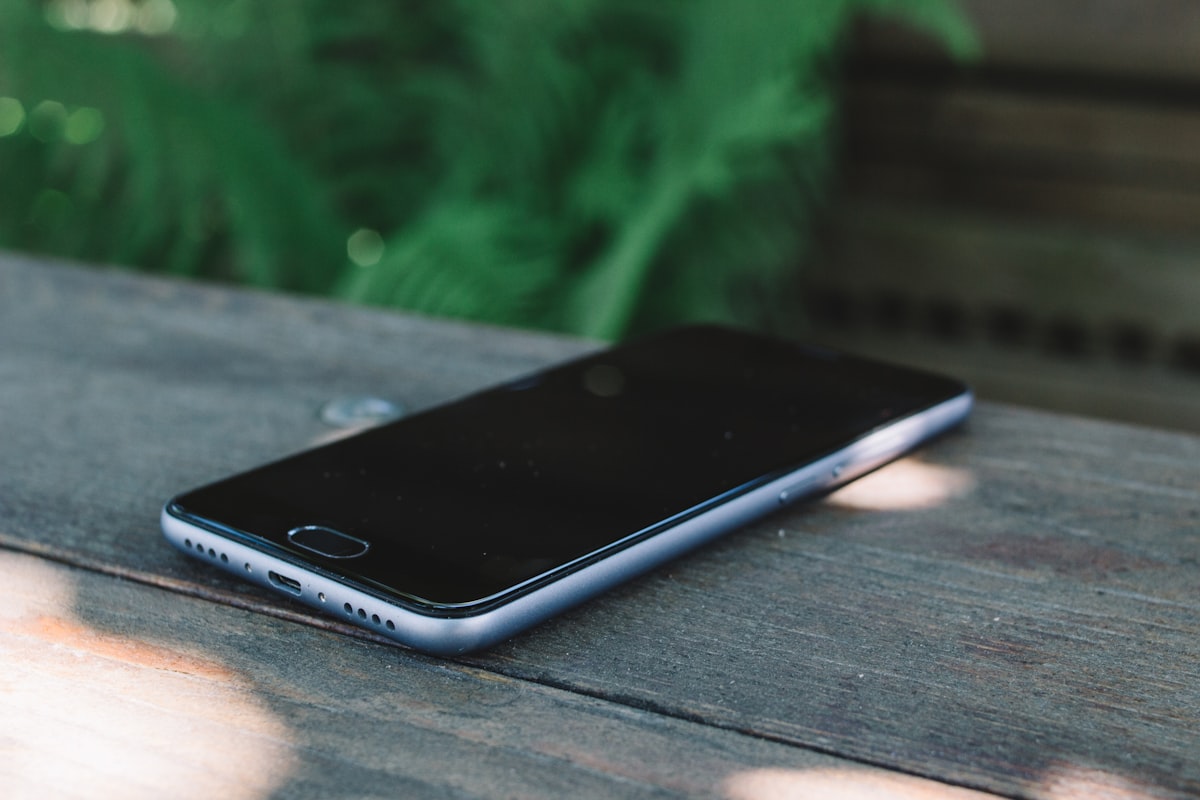
A Light Phone III retails for 799 dollars and does almost nothing. No feed, no browser, no store. That is the pitch, and it is also the tell. The device that promises to give you your attention back is a purchase, and not a small one, and the people buying it are disproportionately the ones who could already afford to look away.
Morning Consult put the interest in numbers last summer: 28 percent of Gen Z adults and 26 percent of millennials said they wanted a dumb phone, against 9 percent of boomers, from a survey of 2,202 US adults in late June 2024. The young, who grew up inside the device, are the ones trying hardest to climb out. The sales pitch is willpower and wellness. The more useful question is what unreachability costs and who gets to pay it.
Start with the number everyone quotes, because it does not mean what it says. "Over seven hours of screen time a day" is a rounding-up of DataReportal's figure of roughly six hours and forty minutes, and that is self-reported time online across every screen a person owns, phone, laptop, tablet, television, for ages 16 to 64. On the phone alone the same survey puts US users nearer three and a half hours, and eMarketer, measuring differently, lands mobile around four. Only the under-25s clear seven hours, and that is across all their screens. The teenagers are getting a median of 237 notifications a day, per Common Sense Media's on-device tracking, roughly a quarter of them during school. The screen-time panic is real, but it is assembled from figures that measure different things and get quoted as if they were one.
The market is smaller than the trend pieces imply. Counterpoint Research put US feature-phone sales at about 2.8 million in 2023, some 2 percent of handsets, and called it a comeback; Statista's own US series has the number lower and still sliding. Where the feature phone is not a statement, it is enormous: India alone has around 350 million feature-phone users, and its shipments grew in 2023 while everyone assumed the category was dead, because there a cheap phone is a budget, not a lifestyle. HMD says its flip-phone sales doubled in Europe between 2022 and 2023, without giving a starting figure. The Light Phone does not publish its sales at all. The rich-world minimalist phone is a niche wearing the same object that hundreds of millions of people carry because it is what they can afford.
The strongest piece of evidence is better than the trend deserves. In a 2025 randomized trial published in PNAS Nexus, researchers had roughly 470 people block the mobile internet on their phones for two weeks, calls and texts still working, which is dumbphone mode by another name. Screen time fell from about five hours a day to under three. Sustained attention, mental health, and well-being all improved, and more than nine in ten participants got better on at least one of the three measures. The mechanism was not discipline. It was the removal of the option. People slept, saw others, went outside, because the alternative had been switched off for them.
That is the part the market cannot sell you. Unreachability reads as status now, the brand strategist Eugene Healey argues: the greatest privilege, he writes, is to be chronically offline, though he adds the catch that you cannot signal you are unreachable without staying reachable enough to signal it. But being able to go dark is a function of the job you hold, not the phone you buy. In the trial, the gains partly held. Two weeks after the block came off, mood and well-being were still up, and the authors tie that to people keeping their screen time down on their own, not to any device. That is the whole point. The reset came from removing the option, and it lasted for the ones who kept it removed. You can buy the object for 799 dollars. The arrangement that lets you ignore it is not for sale.