Light's own spec sheet puts the Light Phone III at $799 once pre-orders close, with a 3.92-inch matte screen, a 50-megapixel camera that to my eye sits oddly on a device selling restraint, and a pitch that boils down to doing almost nothing. People are buying it faster than the Brooklyn firm can ship, and its pre-order page lists new orders going out in September. I keep a drawer of old hardware and self-host everything I can, so I am the last person who should sneer at spending money to own your own attention. I just want to be honest about which part of this trend is real and which part is a receipt you can show your friends.
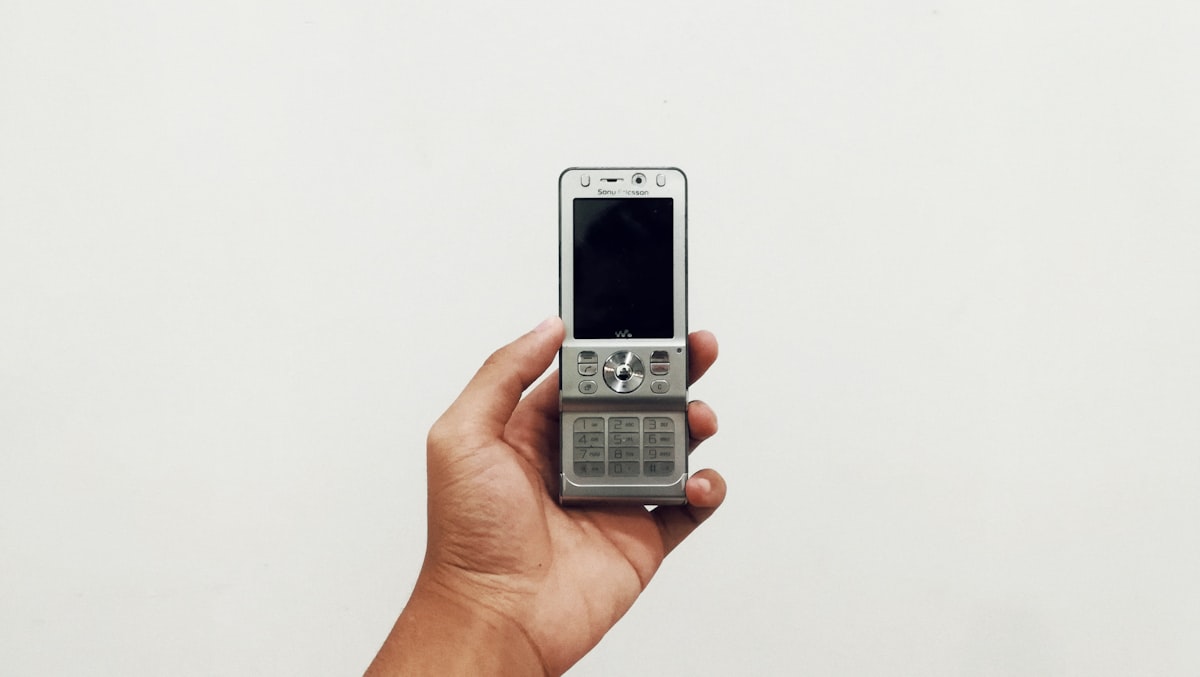
The aesthetic part is loud and mostly nostalgia. On TikTok the hashtag #BringBackFlipPhones sits around 59 million views, full of Gen Z posting grainy mirror selfies shot on hardware older than they are, reveling in a Y2K they did not live through. The Washington Times, citing retail tracking, reported US "dumbphone" sales among 18-to-24-year-olds up 148 percent since late 2021. Mattel and Nokia made a Barbie flip phone. A Light Phone II showed up in a Kendrick Lamar video. None of this is the durable driver. Trends built on low-rise jeans and reruns burn exactly as long as low-rise jeans do.
The durable part is attention, and the numbers there are less cute. Harmony Healthcare IT surveyed a thousand-plus Americans at the end of 2024 and found Gen Z averaging six hours and 27 minutes a day on their phones, the highest of any generation, with 69 percent of them openly admitting they feel addicted. A 2024 Harris Poll run with the psychologist Jonathan Haidt is sharper still: 47 percent of Gen Z adults wish TikTok had never been invented, 50 percent say the same of X, but only 21 percent wish the smartphone itself had never existed. Read that again. The regret is aimed almost entirely at the feed, not the phone. Haidt's own reading is that people do not resent texting, calling, or looking things up. They resent the recommendation algorithm engineered to keep them scrolling.
This is where I have to agree with, of all people, a hardware CEO. Kaiwei Tang, who cofounded Light out of a Google incubator in 2014, said the quiet part plainly in an interview: the problem is not the device, it is the business model, the attention economy. He is right, and it slightly undercuts his product. If the problem is the business model, then a $799 phone is one way to buy your way out of it, and a $0 way is to open Settings and turn the offending apps off. I say this as someone who runs his own mail server to avoid being the product, so I have no standing to mock anyone for spending money on principle. I just want the principle named honestly. Paying three figures to not look at your phone is a purchase, and like most purchases at that price, part of what you are buying is the ability to be seen having bought it. Offline became a flex. The device is the receipt.
And it stays niche, a fact the founders are happy to leave unsaid and the market analysts are happy to say out loud. Joe Birch, a technology analyst at the research firm Mintel, puts it flatly: "Nine out of 10 phones are smartphones and dumbphones remain niche." US feature phones were around two percent of handset sales in 2023. The two-billion-plus feature phones in the world are mostly in places where they are the affordable option, not a lifestyle statement, and it would be dishonest to fold a farmer in Uttar Pradesh into the same trend as a Brooklyn design student. Light says over 100,000 people worldwide use its devices, with batches sold out into September. That is real growth for a company that runs no ads. It is also a rounding error against the smartphone base.
So here is the number I actually chased, and could not find: how many people keep the thing past a month. The honest answer is that nobody has good long-term retention data on premium dumbphones, and the adjacent research is mixed. In a Danish schools experiment, two months after students sealed their phones away, more than half at one school had kept their screen time down and about one in four went and bought a Nokia. A two-week study out of Alberta and Georgetown found 91 percent of participants felt better, but two weeks tells you nothing about staying power. The most useful finding, from a Stanford and Wisconsin swap study, is the least surprising: the people who went in enthusiastic got the benefit, and the people talked into it by hype bounced back. Even the vendors admit that a frustrating phone lands you back on a smartphone inside a week. The r/dumbphones forum is built around 30-day challenges, which tells you most people treat this as a trial, not a switch.
Which is the deadpan punchline. The dumbphone works for the person who already decided to change and needed a tool to hold the line, and it is expensive theater for the person who bought it because it looked good on TikTok. You can tell which one you are for free. Before you spend $799, spend a weekend: grayscale the screen, delete the three apps you already know the names of, and leave the phone in another room after nine. If you make it to Monday wanting more of that quiet, then go buy the nice thing. If you do not, you just saved $799, and you learned the same lesson the studies keep finding, which is that the phone was never really the problem.