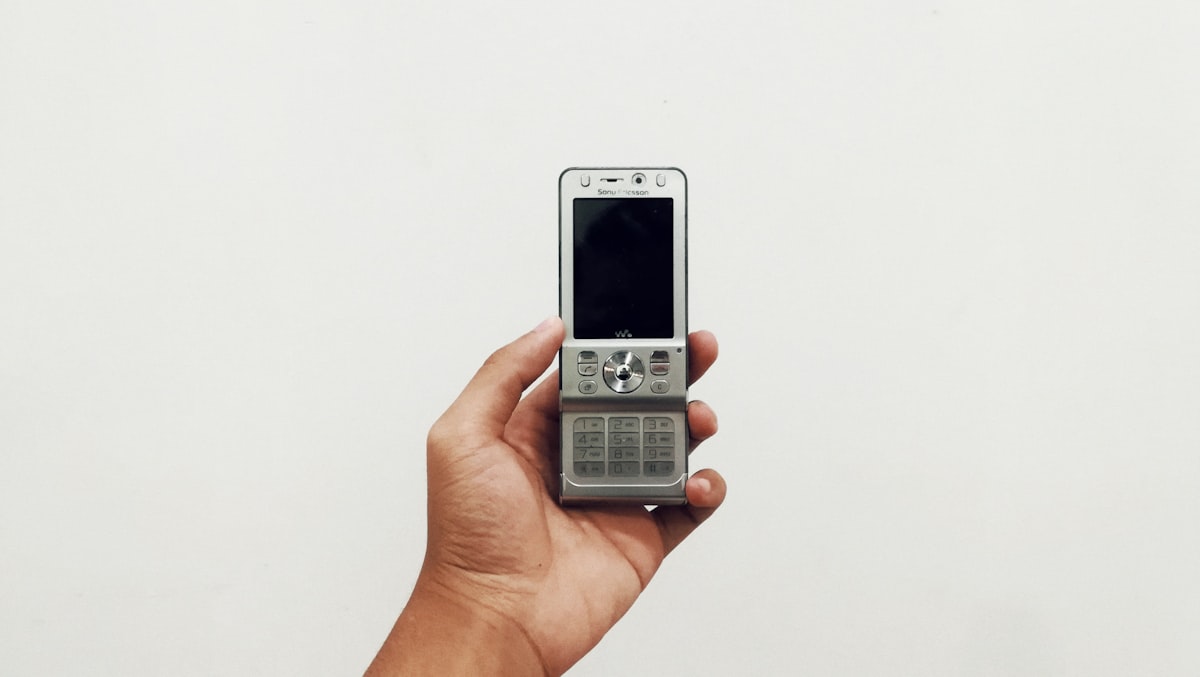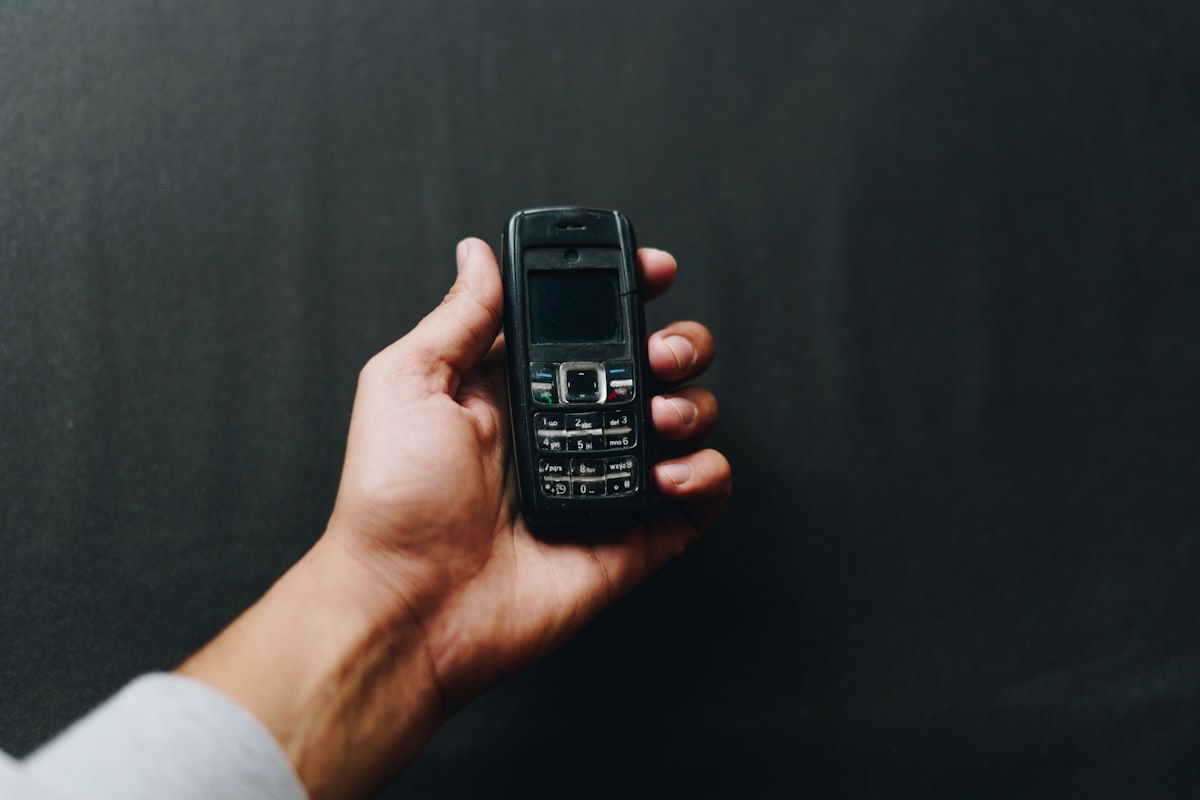
Last week I wrote that the honest open question about premium dumbphones is retention: not how many people buy one, but how many keep it past a month, given that a frustrating phone lands you back on a smartphone inside a week. The Light Phone answers that by removing almost everything, which is exactly the frustration I described. The Dumber Mini, a small British operation selling a Nokia-style keypad phone, bets the opposite way: keep the apps you actually need, and only kill the scroll. That is a genuinely different bet, so I went looking at what it is.
Here is what the vendor claims, and I am flagging these as claims. The phone runs WhatsApp, Messenger, Google Maps, Waze, Uber, Spotify, podcasts, email, transit apps, a digital ID, and your bank's app, with NFC payments where the bank supports it. There is no Google Wallet, so they point you at Curve Pay or your bank's own tap-to-pay. The pitch, verbatim, is that "the small screen discourages watching Youtube and scrolling social media," backed by an app blocker. The load-bearing apps stay; the endless-feed apps are meant to feel like too much effort on a 2.8-inch screen. If my earlier diagnosis was right, that the regret is aimed at the feed and not the phone, this is the design that follows from it.
The price is at least stated plainly: 149 pounds on the UK product page, and the US and Canada version is sold as a separate 199-dollar preorder. A mirror domain waving a 70-percent discount off that is the kind of thing you close the tab on, so buy from the real store or not at all. And note the word: preorder, which is a promise, not a product. The first batch was 1,000 units; a pallet of another 1,000 reached the UK warehouse on July 1, and even that slipped a few days in fulfillment. None of that is damning for a small shop, but it is the difference between a thing that ships and a thing that intends to.
The specs are modest and, importantly, not bespoke: a MediaTek MT6761, 4GB of RAM, 64GB of storage, a 2150mAh battery, 110 grams. That is not a phone they designed. It is an existing Chinese keypad Android phone (the Duoqin and Doov budget lines) with their software flashed on. Which brings me to the part I actually like.
The software, DumberOS, is open source, and I want to be precise about what that means, because the vendor is more honest about it than most. The whole stack is not theirs to open: it is layers of existing open-source Android (Google's AOSP, then the community build LineageOS), with a shim so apps that expect Google's own services still run. What DumberOS adds is a set of patches on top, and those patches, plus the build scripts, are on GitHub under the handle miki151. It began in April 2025 as a project called Dumbdroid to make the Qin F21 Pro usable, and was renamed this March. You can read exactly what they changed, and if you already own a supported phone you can flash it yourself for free. That is the tell that this is a real open project and not a marketing word: the software is separable from the hardware sale. It is a genuinely technical process, and they send you to a Discord if you get stuck, but the door opens. A phone you can open, read, and reflash is a phone you own. That is not nothing.
So does keeping WhatsApp and Maps solve the retention problem, or does it just smuggle the smartphone back in? Both risks are live and nobody has the data yet. The optimistic case is the one I argued myself: if people resent the algorithmic feed and not calling, texting, or navigating, then a phone that keeps the second set and blocks the first removes the reason to bounce back. The pessimistic case is that an app blocker is a lock you hold the key to, the same key you hold in a smartphone's Settings, and a device running full Android with a browser and a store is a smartphone wearing a keypad. The small screen is friction, not a wall, and friction is exactly what a motivated person needs and a bored person routes around at the first red light.
Here is the part the Dumber Mini gets right that the pricier phones do not: the useful half of it costs nothing. The blocked-feed, kept-apps idea does not live in the 149-pound object; it lives in the free software, which you can run without buying anything. So try it the cheap way first. Install a real app blocker, set your screen to grayscale, and see whether it is the feed you miss or just the light. And if you already own one of the supported keypad phones, the honest experiment is to flash DumberOS yourself and find out what "kept the apps, killed the scroll" actually feels like, without a preorder and without handing anyone your card. The device may or may not arrive on a pallet in December. The idea you can test this weekend.