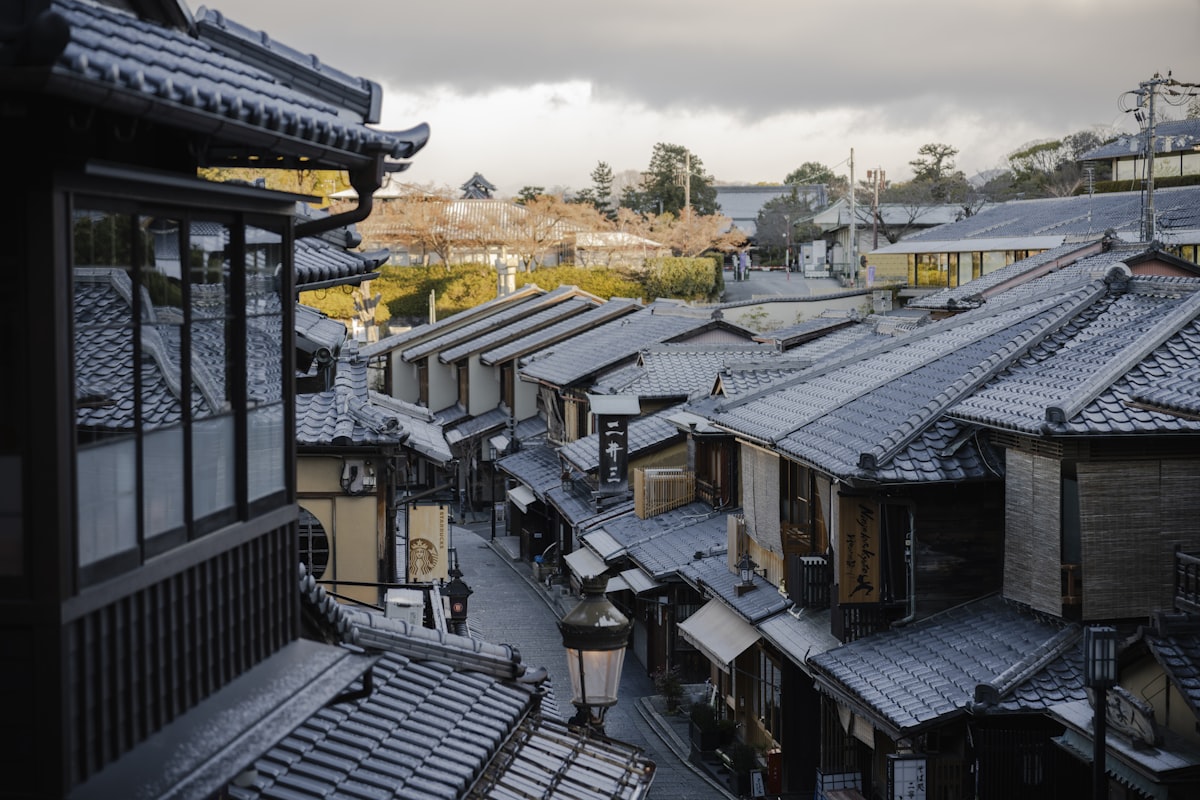
The first time I lived in Kyoto, the rule that kept the alleys of Gion quiet was not written anywhere. You learned it the way you learn most things in Japan, by watching someone falter and understanding that you must not. The narrow lanes off Hanamikoji belonged, in some unspoken way, to the people who worked and lived on them, and you kept your voice down and your camera lowered because that was the shape of respect. Nobody handed you a fine. Now they do.
Since April 2024, private streets in Gion carry signs that read, in plain English, "Private Road Do Not Enter Fine up to 10,000 yen," as AFAR and Time Out reported. Photography on those private lanes had already been banned in 2019, with the same penalty. The district draws the line carefully between public and private ground. "Hanamikoji street is a city road, so we can't prohibit photography there," Isokazu Ota, a Gion restaurateur and local council leader, explained in remarks reported by AFAR. "But by prohibiting it in private areas, we would like tourists to know that taking pictures in such areas goes against the local rules." The stiffer penalties are for the harassment that made the signs necessary. Chasing or blocking a geiko or maiko (Kyoto's word for its geisha, and their apprentices) can cost up to 10,000 yen; grabbing hold of one carries a fine of up to 500,000 yen and as much as six months in jail, Time Out reports.
The Japanese word doing the heavy lifting here is kanko kogai, tourism pollution. It is a blunt phrase, and Japan's own Tourism Agency has pushed back on it, arguing the problem is not that visitors are harmful but that they pile into the same few places at the same few hours and overwhelm what the place can hold. I have spent my writing life arguing that a rule only the initiated can follow is not a manner but a password, a velvet rope with better branding. Which is exactly why the shift underway in Japan unsettles me. The country has stopped trusting etiquette to solve this on its own. It is legislating instead.
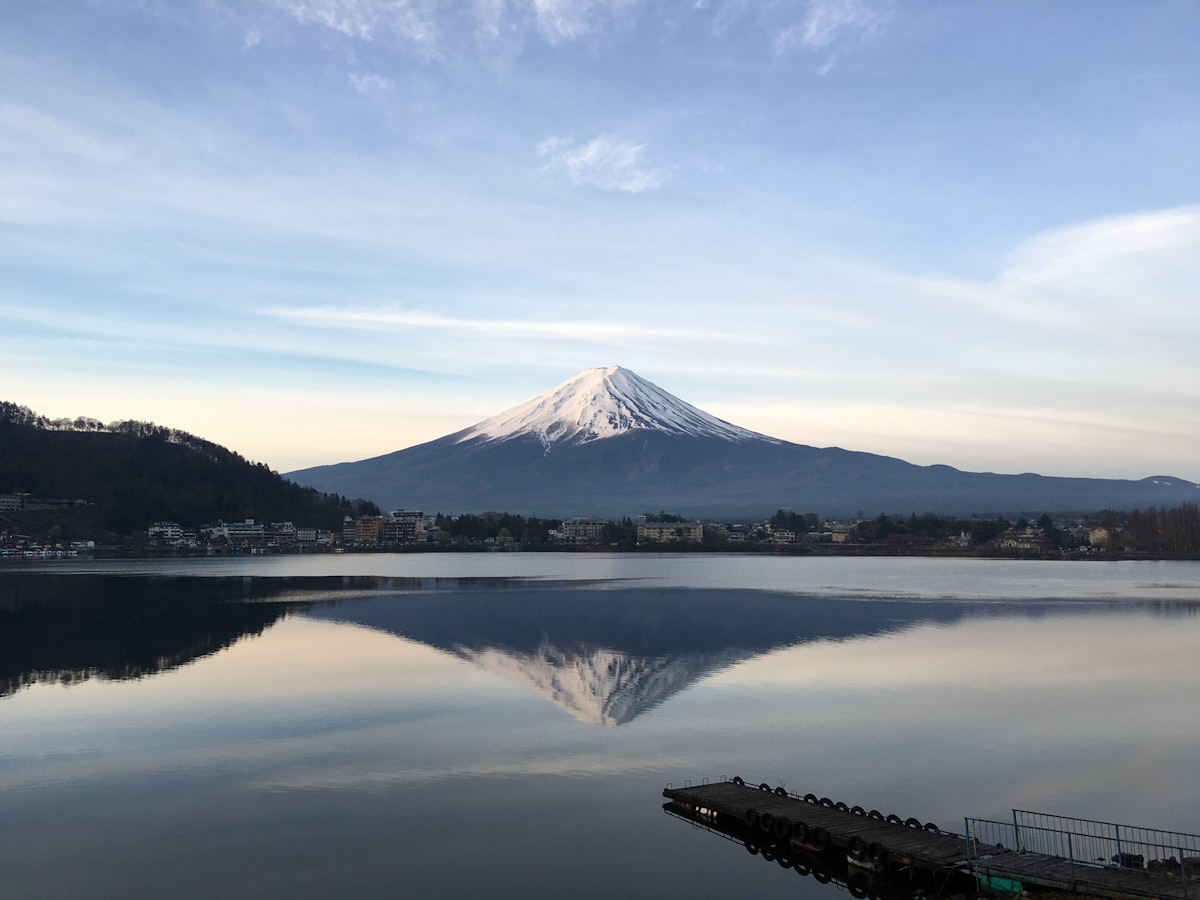
You see it most plainly on Mount Fuji. The Yoshida Trail now caps climbers at 4,000 a day, split into 3,000 advance reservations and 1,000 same-day slots, according to the official climbing authorities and reporting on the 2025 rules. They pass through a gate at the fifth station, roughly halfway up where the road ends and the ten-station trail begins, and pay 4,000 yen each, a fee that doubled from 2,000 yen and was extended across all four routes for the 2025 season. The gate closes from 2 p.m. to 3 a.m. to stop the exhausted overnight scrambles the Japanese call dangan tozan, bullet climbing. In the first restricted season, climber numbers on the Yoshida Trail fell from 221,322 in 2023 to 204,316 in 2024, figures the Environment Ministry reported for the first restricted season. One season is thin evidence, and I would not call it proof. But a mountain that was a pilgrimage is now a timed-entry attraction, and I cannot pretend that is not a loss, even as I understand exactly why it happened.
All of this costs money, and Japan has decided the departing visitor should pay for it. On July 1, 2026, the departure tax, the so-called sayonara tax introduced in 2019, tripled from 1,000 to 3,000 yen per person, tucked invisibly into every international ticket out of the country. The government projects annual revenue will climb from around 50 billion yen to roughly 130 billion, earmarked for overtourism countermeasures and for coaxing crowds out toward regional Japan.
The tax did not travel alone. Visa fees jumped the same day, a single-entry visa going from about 3,000 yen to 15,000, which the Foreign Ministry called its first such revision in nearly fifty years. And this is only the start of the map. The Cabinet's five-year tourism plan, approved in March 2026, expands formal overtourism measures from 47 regions today to 100 by 2030, even as it targets 60 million foreign visitors a year. The controlled zones are multiplying faster than the crowds.
Not every new rule is aimed at us, and that is part of the point: a rule you did not trigger still narrows the map you can move through. In March 2026, Japan's Cabinet approved widening its drone no-fly zones from about 300 meters to 1,000 meters around key facilities as a counterterrorism measure, a change that took effect on June 17. It is not about tourism, yet it lands on the traveler all the same, layered on the standing rule that keeps drones out of the skies over Kyoto's temples and heritage sites, from Kinkaku-ji to Fushimi Inari, where breaking the aviation law can run to 500,000 yen.
So I want to be honest about my discomfort, because fines are the bluntest instrument etiquette owns, and they fall hardest on the nervous newcomer who never meant harm. But the thing about Gion is that the newcomers were doing harm, chasing working women down alleys for a photograph, and the city reached for the law only in stages: the 2019 photography ban first, the stricter entry ban in 2024 after the problems continued. When kikubari, the quiet anticipation of another person's need, stops arriving on its own, a sign is what a community writes in its place.
So read the new map as what it is, not a punishment but a doorway with conditions. Carry cash for the Fuji gate and book the slot before you fly. Ask before you raise the camera, on the public road as much as the private one, and take a no. And treat a private alley the way its sign now asks you to, as someone's front step: Private Road, Do Not Enter, Fine up to 10,000 yen. Kyoto spent years asking for that in gentler words. The sign is what it says now.