The panic arrived before the fees did. By late June my feeds were full of travelers writing Japan off for 2026, certain the country had priced itself out from under them: a tripled departure tax, a Kyoto hotel tax up tenfold, a paywall bolted onto Mount Fuji. Then July 1 came, the fees landed, and the math turned out to be close to the opposite of the headline.
Here is the number that matters more than any of the new ones. The yen is trading around 161 to the dollar, its weakest against the dollar since December 1986, a four-decade low (LSEG market data, reported by CNBC and Bloomberg in late June). For anyone holding dollars, euros, or pounds, the money has rarely stretched further, new fees and all. The fees are real. Against that currency move, they are rounding error.
Start with the tax everyone shared. On July 1 the international tourist tax, the so-called sayonara tax, tripled from 1,000 yen to 3,000, about 18 dollars (the Japan National Tourism Organization). It applies to everyone leaving, tourists and Japanese nationals alike, and it is buried inside your airfare, so you never see it at the gate. Infants under two and passengers transiting within 24 hours are exempt. The increase over last year is 2,000 yen, roughly twelve dollars, once, on your way out of the country.
Kyoto's accommodation tax is the one dressed up as a tenfold hike, and technically it is one. On March 1 the city scrapped its old three-tier levy for five tiers topping out at 10,000 yen per person per night (Kyoto city). But read the whole table. That 10,000-yen tier only applies to rooms over 100,000 yen a night. A mid-range room around 15,000 yen is taxed 400 yen, about 2.50 dollars a head. The luxury traveler pays like a luxury traveler; the rest of us barely feel it. Kyoto projects the change will roughly double its lodging-tax revenue, to somewhere around 12 to 13 billion yen a year, earmarked for overtourism countermeasures.
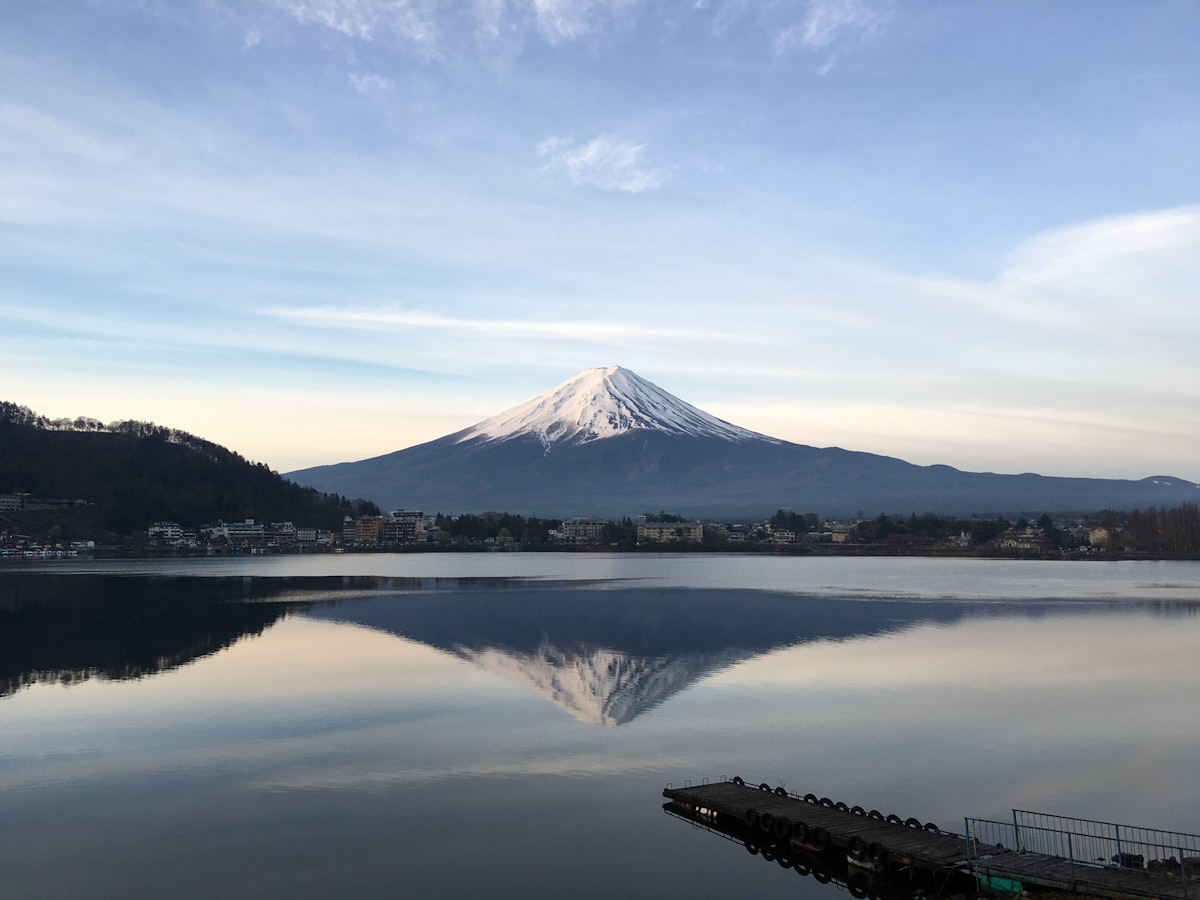
Mount Fuji is the one that reads like a turnstile. Yamanashi's Yoshida trail now charges 4,000 yen a climber, up from 2,000 yen in 2024, caps the route at 4,000 people a day, and shuts the 5th Station gate from 2 p.m. to 3 a.m. to end the exhausting overnight dashes that authorities blame for a spike in rescues (the official Yamanashi notice). Shizuoka's three trails, free as recently as 2024, now charge the same 4,000 yen (Shizuoka prefecture). But the fee is for climbing, not for looking. If you only want the mountain in your camera, and most people do, it costs nothing.
That distinction, between the thing everyone crowds and the thing standing quietly next to it, is the whole game in Kyoto too. The crush is concentrated in about three places: Fushimi Inari, the Arashiyama bamboo grove, and Gion after dark. Go at dawn or on a weekday and even those thin. Better, walk past them. Fifteen minutes west of the bamboo grove, Adashino Nenbutsu-ji and Otagi Nenbutsu-ji hold thousands of weathered stone figures and almost no tour groups. Entoku-in sits directly beside packed Kodai-ji and stays nearly empty. Kennin-ji, the city's oldest Zen temple, is in Gion and somehow calm. If you want the old-capital atmosphere without the queue at all, base yourself in Kanazawa instead: its Higashi Chaya teahouse lanes and Kenroku-en garden deliver the same postcard at half the volume.
The same logic works on the mountain. Skip the summit and the Fuji Five Lakes give you the view for the price of a bus ticket, 2,200 yen from Shinjuku on the Fujikyu highway coach (its published fare). Lake Kawaguchiko is the crowded default; Yamanakako and Motosuko, the one printed on the 1,000-yen note, are quieter and, on a still morning, better. The famous Chureito pagoda shot is free, but it is 398 steps, the named Sakuya-hime stairs, and a wall of tripods by 8 a.m., so arrive before seven or not at all. Winter weekdays buy you the clearest skies and the emptiest roads.
None of this waves the fees through as harmless. The question I always ask about a tourist tax is not how much but where it lands, and here the answer is unusually good. Kyoto's money is tied to the districts absorbing the crowds; Fuji's pays for the patrols and the rescues on a trail people keep dying on. That is closer to the money reaching the place than most such levies manage. The residents of Higashiyama and the rangers on the Yoshida trail are the ones actually living inside the postcard. If a weak yen is going to keep sending us there by the millions, 3,000 yen on the way out is the least we can leave behind.