Everett Potter, writing in Forbes in June, opened his list of Nordic summer trips with a fact worth sitting with: France, Spain, and Italy were over 38 Celsius (100 Fahrenheit) that week, and Norway, Sweden, and Denmark were not. He was selling five adventure tours. I want to sell you a calendar instead, because the useful move is not picking north over south. It is booking two trips instead of one, a Nordic trip in July and a Mediterranean trip in October, each one timed to real fare and temperature numbers rather than a guess. Here is the evidence behind both legs.
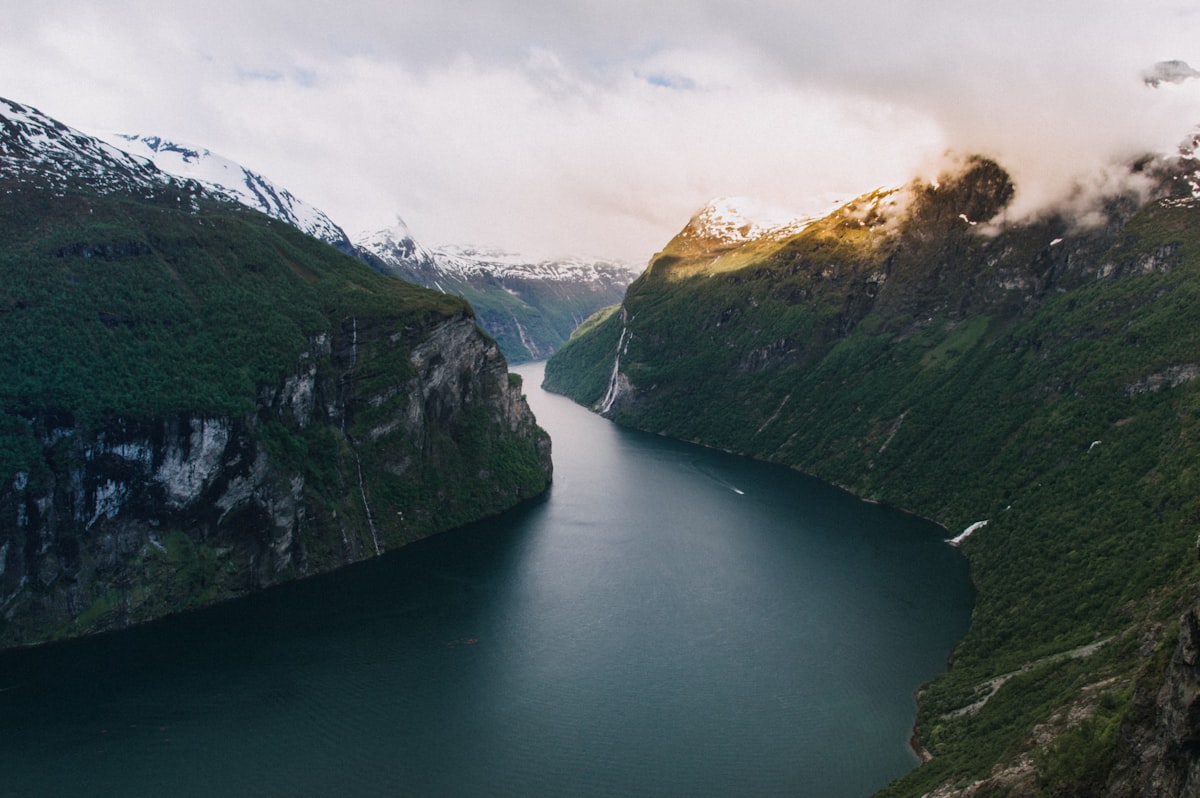
Start with July. Reykjavik's average high that month is 13.5 Celsius (56 Fahrenheit), its warmest month of the year, with rain falling on fewer days than any other, and an average day length of almost twenty hours: sunrise just after three in the morning, sunset a few minutes before midnight. Oslo runs a little warmer, sea temperature around 17 Celsius (63 Fahrenheit), with roughly eight hours of real sunshine daily. None of that is dramatic weather. That is the point. While the World Meteorological Organization recorded 40.5 Celsius (105 Fahrenheit) at Barcelona's Fabra Observatory on July 8 this year, the station's hottest reading in more than a century of data, Norway and Iceland were sitting in the low-to-mid teens Celsius (roughly the mid-50s to low-60s Fahrenheit) with usable evening light until you gave up and closed the blackout curtains yourself.
You pay for that comfort. July is peak season in both countries. Guide to Iceland puts round-trip fares from the US or EU at 500 to 900 dollars in summer against 250 to 450 in the shoulder months, and hotel rooms that run 130 to 250 dollars a night in the quiet season climb to 200 to 350 in peak. I am not going to pretend that is a bargain. It is the price of comfortable heat in July, which, this year especially, is not nothing.
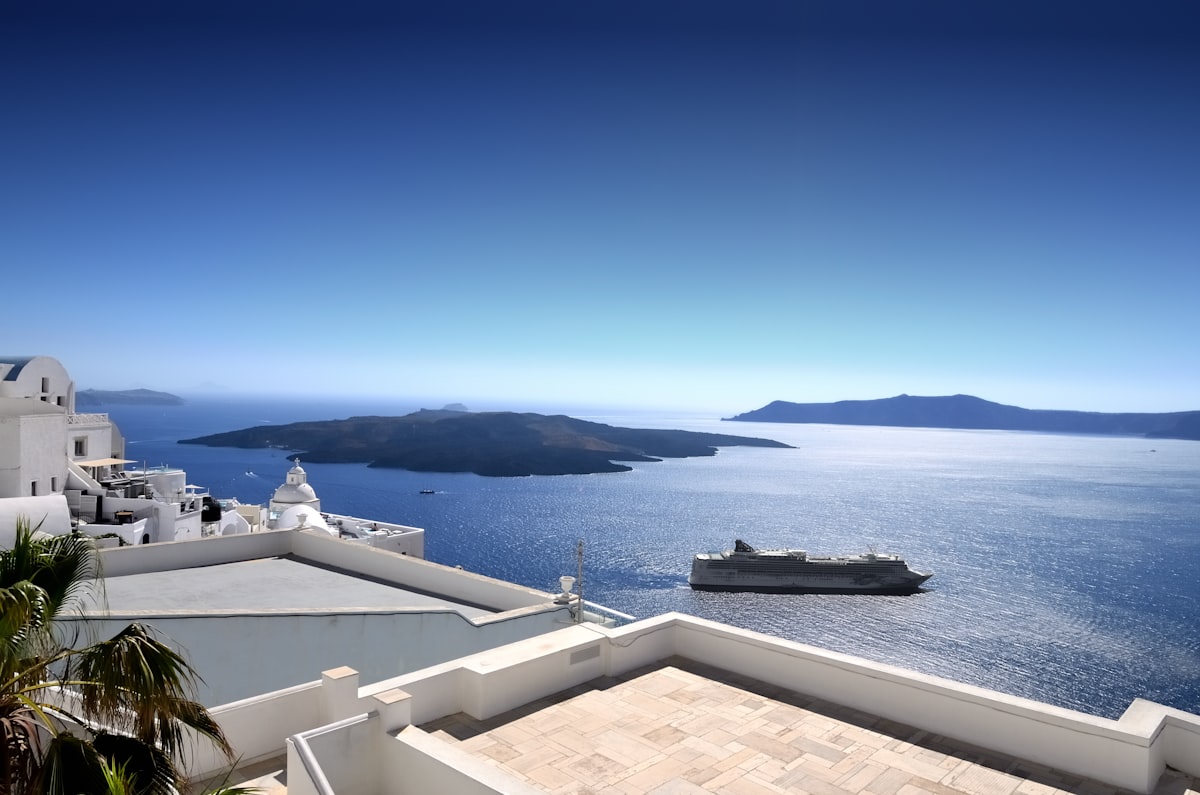
October flips the math for the south. Per Santorini Dave, the island's sea holds at 20 to 22 Celsius (68 to 72 Fahrenheit) through the first half of the month, still swimmable, while the air settles into 18 to 26 Celsius (64 to 79 Fahrenheit), well short of the summer scorch. Accommodation drops 30 to 50 percent once you clear mid-September, roughly 120 to 200 euros a night against 200 to 350 in peak summer, and the island runs at something closer to half its high-season crowd, which means an actual seat at the sunset railing in Oia, Santorini's postcard cliffside village, instead of a shoulder fight for one. RoamRome has the Italian leg telling the same story: daytime highs of 21 to 23 Celsius (70 to 73 Fahrenheit), nights near 13 Celsius (55 Fahrenheit), hotel rates 25 to 40 percent below summer's, and shorter lines at the Colosseum once the first week or two of the month clears out. One 2026 wrinkle worth flagging if Rome is your October stop: the Film Fest runs October 14 to 25 and will tighten hotel supply in the center for those exact dates, so book around it rather than into it.
I should say the quiet part, because I say it every time I send you toward an airport. This is two long-haul round trips a year, not one, and I have not flown since 2018 for exactly that reason. Iceland has no train in from anywhere, and Norway's fjord country is days from the nearest line that reaches it, so there is no honest slow-travel version of this itinerary for me to hand you instead. Book the flights if that is the trade you are making. Just do not tell yourself the plane was the green choice because the destination was cool in July and quiet in October.
SkySonar's fare-tracking data show European summer airfares running 40 to 70 percent above the annual average from late June to mid-August, and shoulder-season fares to the Mediterranean, Greek islands especially, coming in 30 to 45 percent below August pricing. Book the Nordic leg by April, while Oslo and Reykjavik still have rooms. Book the Mediterranean leg once September turns, and let the crowds file out ahead of you. Book the season, not the story about how green the flight was.