Pick up a Maison Margiela jacket and look at the back of the collar. There are four small white stitches holding a blank cloth tab, and they say nothing and mean everything. No name, no monogram, no gold letters. If you know, you know. That is the whole idea, and it is the tidiest description I have found of where luxury has landed heading into autumn.
For most of the 2000s the deal was blunt. You paid for the bag, you wore the name, you let the letters do the talking. Then quiet luxury arrived and everyone agreed, loudly, that logos were vulgar. Business of Fashion put the correction plainly this year in a piece titled "Logomania Didn't Die: It Evolved": the logo never left. It just got smaller and learned some manners.
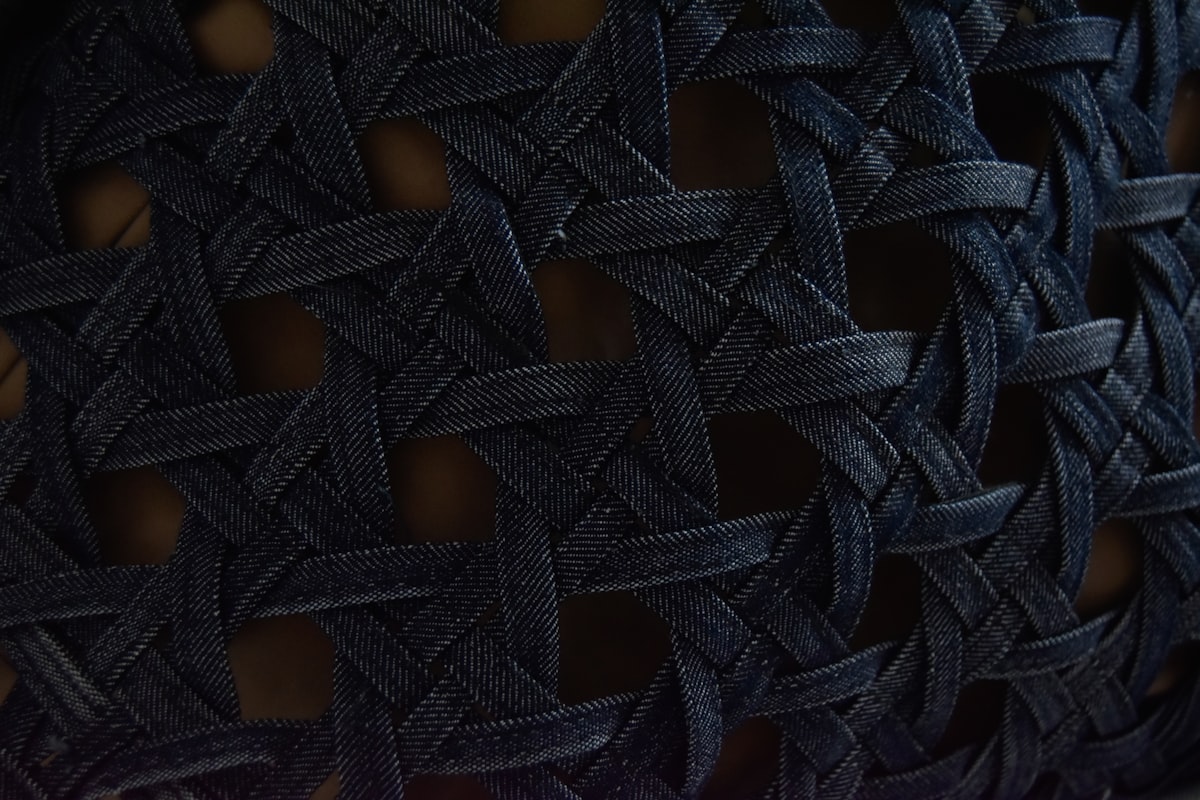
What replaced the giant monogram is what I would call the craft signal. Trade coverage has taken to calling it Logomania 2.0, and the examples are always the same three: Bottega Veneta's intrecciato, the hand-woven leather lattice the house has made since 1975; Margiela's four exposed stitches; and Prada's little triangle, now tucked on the back of a jacket rather than stamped across the chest. Bottega's old line was "when your own initials are enough." The new luxury customer is meant to recognize the weave the way an older one recognized the letters.
I want to believe this. I have spent a career arguing that the seam allowance tells you more than the show notes, so a fashion that rewards the weave over the sticker ought to be my idea of heaven. But turn it inside out.
The timing is not aesthetic, it is commercial. The houses are mid-reshuffle. Matthieu Blazy, who built his name on that Bottega weave, now runs Chanel, only the fourth designer in the house's 116 years. Demna, Gucci's new designer, has reset the house, whose revenue fell 21 percent on a comparable basis in 2024 to 7.7 billion euros, per Kering's own annual results. And Kering, Gucci's owner, carrying 10.5 billion euros of net debt at the end of that year, handed the whole group to Luca de Meo, a car executive who revived the Fiat 500 and is now expected to do the same for luxury. When a group's biggest house is sliding like that, it still needs a shopper to clock status across a restaurant. A discreet code does that job as well as a monogram, and it photographs better.
Here is the catch, and it is the part nobody selling you the polite new logo wants to dwell on. The three signals are not the same animal. A weave is real: the intrecciato is hours of a trained hand, the artisans who actually cut and weave the leather. The triangle is not, and neither, if I am honest, is the tab of stitches I opened with. A stamped triangle costs a house almost nothing; four tacking stitches take seconds. Both are pure code, a mark you are taught to read with nothing underneath it, and the little white tab is the purest of the lot precisely because there is nothing beneath it to find. If you know, you know, and there is nothing more to know. A craft signal only means craft when there is craft under it. Print the mark, skip the hand, call it heritage, and you have a monogram that took an etiquette class.
And the market keeps voting both ways at once. The same season the discreet weave was declared the future, Who What Wear's street photographers could not move for football jerseys and shouting logos. The Singapore-based photographer Su Shan Leong told them the one thing impossible to miss in Milan and Paris was "athletic jerseys and bold logos." Half the street wants a password. The other half wants a billboard.
So logomania is back, and the quiet version is winning the magazines. Just remember which signals cost a factory something and which cost a stamp. Turn the thing inside out before you pay for the story printed on the outside.