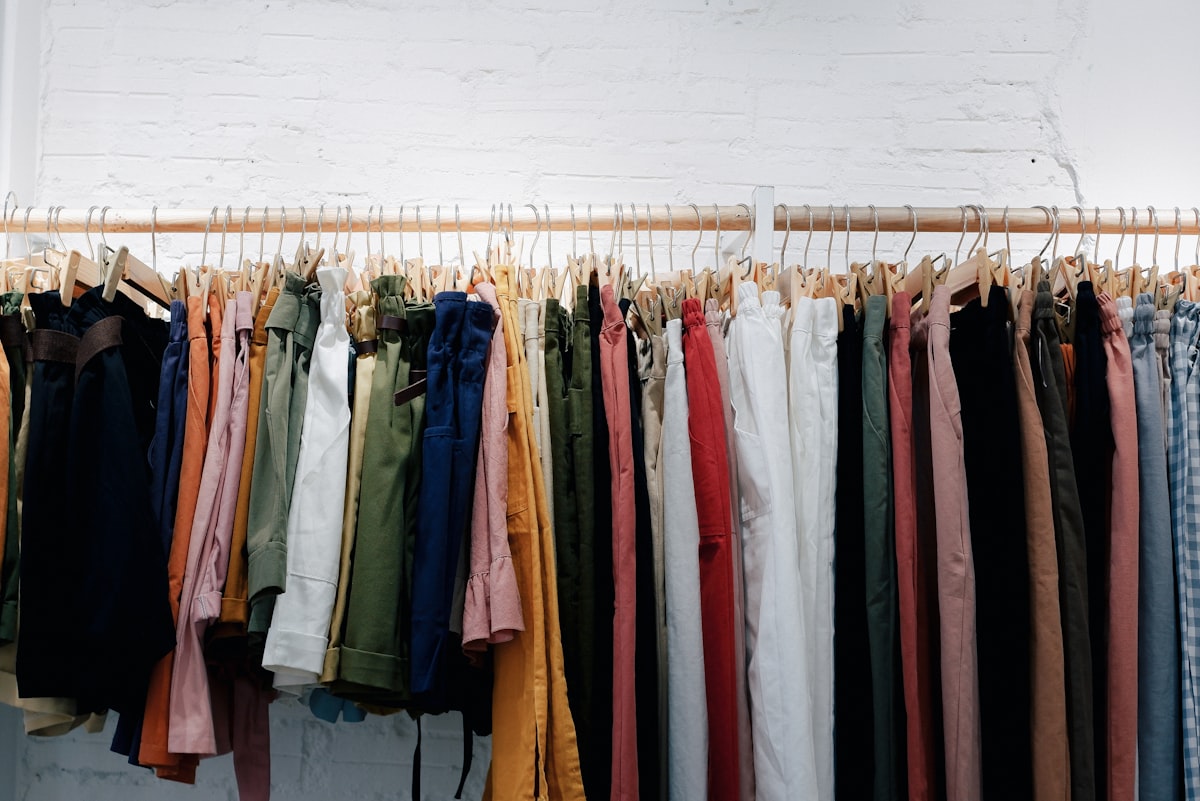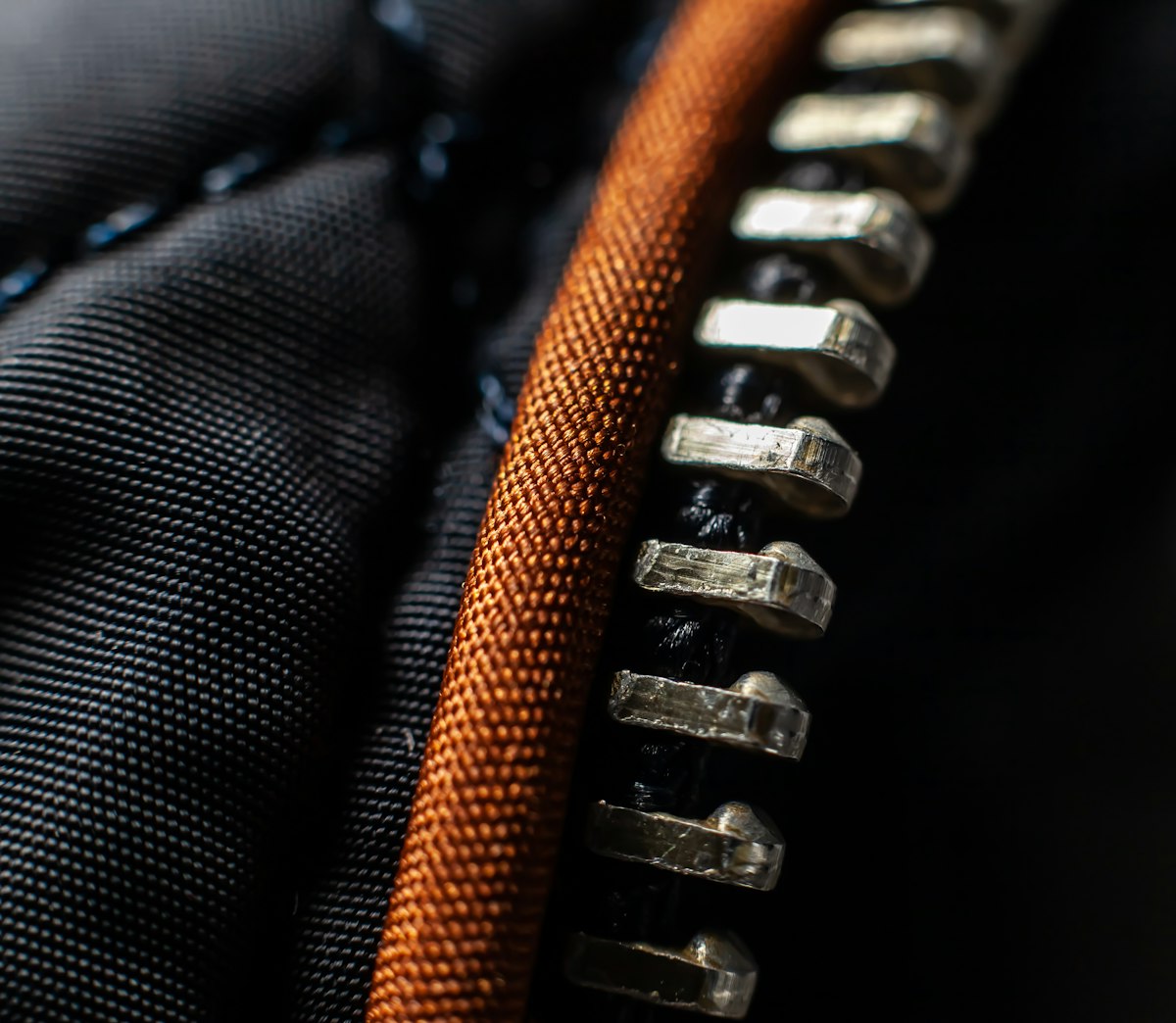
Turn a fleece inside out and look at the zip. That is roughly what the UK's advertising regulator did to a Uniqlo ad, and it is why the ad is now banned. The listing, a paid Google ad seen on Christmas Day last year, sold "Fleece Coats & Jackets" made from "Recycled Materials." The recycled polyester, spun from old plastic bottles, ran through the body fabric, lining, and trim, and Uniqlo could prove it. The zips and labels were not recycled. Uniqlo told the regulator the claim referred to the textiles, not the metal zip or the labels. On June 24 the Advertising Standards Authority ruled that a shopper would read "Recycled Materials" as covering the whole coat, and banned the ad.
Uniqlo was not alone. The same day the ASA banned a paid Google ad from adidas for a "Recycled Running Shoes" range, after adidas conceded it does not actually have a recycled running-shoe range, and one from Calvin Klein whose tops were sold as "Responsibly sourced collections - Recycled, Organic & More" when the certified content across the styles ran anywhere from 20 to 100 percent. Three household names, one loaded word each, three ads pulled in a single day.
The part that should make every marketing department nervous is where the cases came from. Nobody complained. No shopper wrote in feeling cheated. The ASA found all three itself, using an in-house AI it calls the Active Ad Monitoring system, which quietly scans ads in sectors it has decided to watch and flags the ones that look like they are bending the rules. By the regulator's own count the system processed more than 60 million ads in 2025 and fed over 30 regulatory projects. Humans still make the call, the ASA is careful to say, but the humans are no longer waiting for the post to arrive. They are being handed a list.
For years a green claim only got tested if a shopper noticed and cared enough to file a complaint, which meant most of them sailed through. A machine that reads 60 million ads a year does not get bored, does not shop, and does not give anyone the benefit of the doubt, and fashion, with its endless "conscious" this and "responsible" that, was always going to be an easy sector to point it at.
The June bans were not the first. Late last year the same system helped the ASA rule against ads from Nike, Lacoste, and Superdry, that time over the word "sustainable." Nike's tennis polos were at least 75 percent recycled polyester and the company had cradle-to-gate carbon data (emissions up to the factory door) to show it beat virgin polyester, and it still lost, because the ad did not explain the claim and could not show the shirt did no harm across its whole life. Lacoste, to its credit, told the regulator that terms like "green," "sustainable," and "eco-friendly" were, in the ruling's words, "very difficult to substantiate." That makes six banned ads across six brands, adidas, Uniqlo, and Calvin Klein in June, Nike, Lacoste, and Superdry the year before, all in under seven months, and a standard you can now state in one line.
An absolute word has to be true of the whole product, not the best part of it. "Recycled," with nothing after it, reads as the entire garment. "Sustainable," with nothing after it, reads as no harm done, ever, cradle to grave. Partial content will not save you. A certification scheme will not save you. Arguing about what shoppers "really" understand will not save you. Either qualify the word on the ad, recycled body fabric, 60 percent organic cotton, whatever the truth is, or do not use it. "When absolute terms like 'recycled' are used," Miles Lockwood, the ASA's director of complaints and investigations, said of the June rulings, "the basis of those claims should be clearly explained and properly supported by evidence."
Be honest about the size of this, though. A banned ad is not a recalled garment. The fleeces are still on the rails, the shoes still ship, and the recycled content that was real stays real. What changed is the label on the shop window, not the thing behind it, and the enforcement stops at the UK border. The EU is moving the same way from a different angle: its Empowering Consumers directive, which applies from September 27, 2026, bans vague labels like "green" outright unless a company can prove them, and makes the rest carry evidence.
Still, I will take it. Most of what fast fashion sells you as virtue is a smaller lie wearing a bigger label, and it has spent a decade betting nobody would check the seams. Now something is checking, 60 million ads at a time. The lesson is older than the software: the word on the tag is a marketing decision, and the garment is the fabric, the zip, and the label together. Turn it inside out yourself.